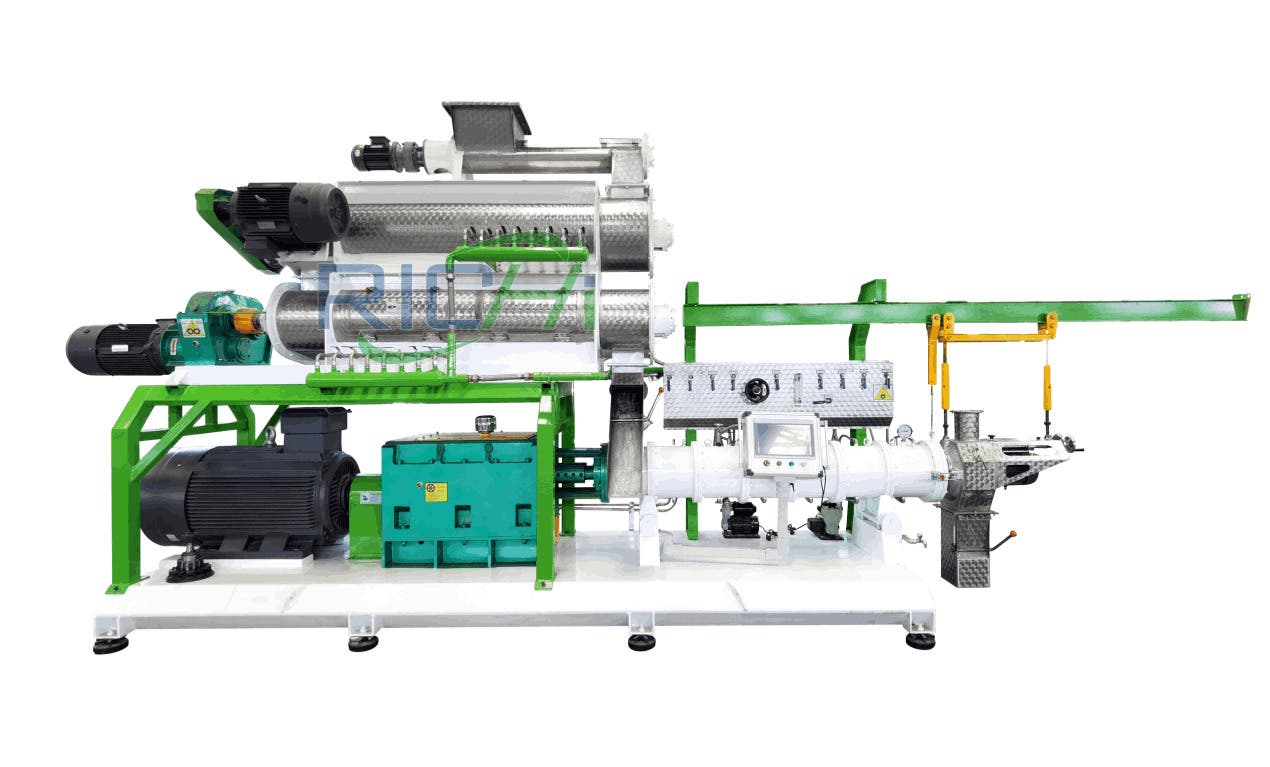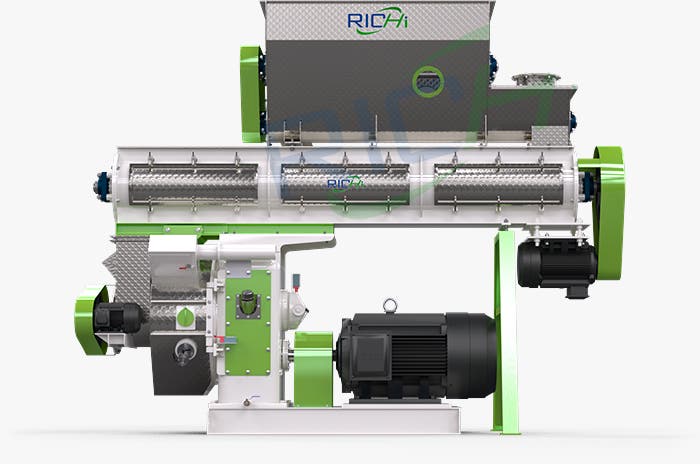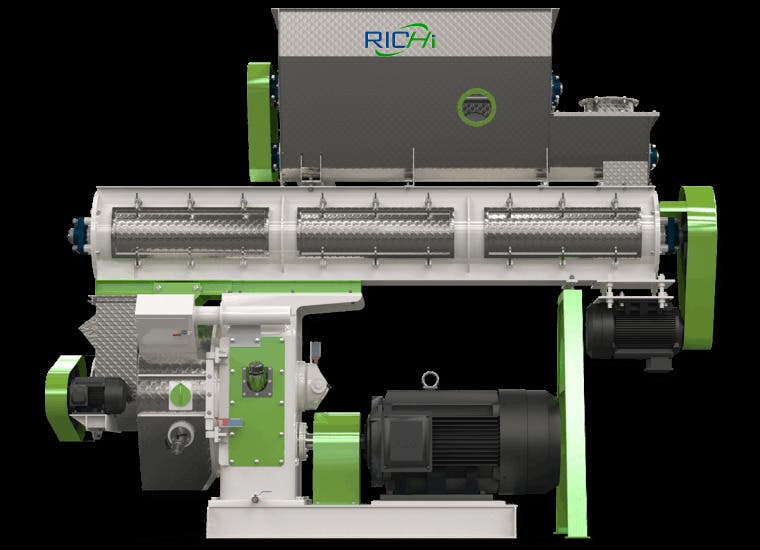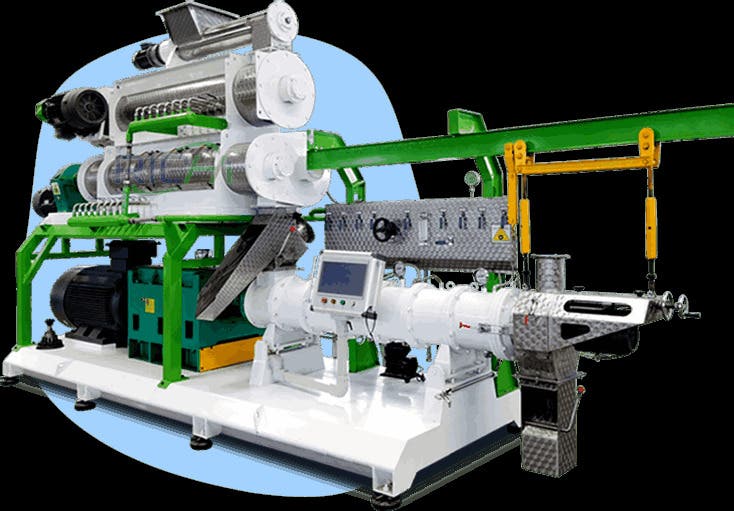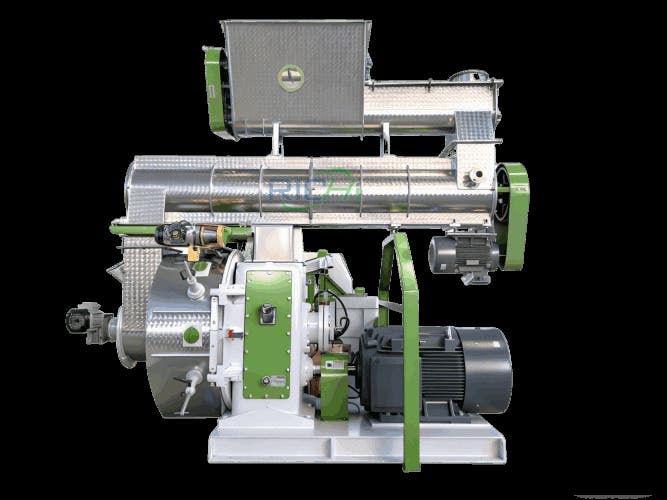
Starting a sheep feed pellet production project requires more than simply buying a pellet machine. The total investment depends on production capacity, feed formulation, raw material condition, automation level, and the equipment needed before and after pelleting.
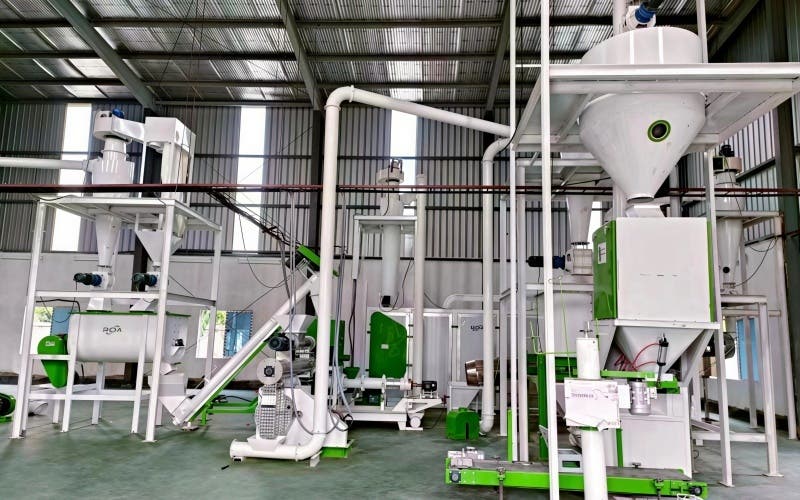
For a small farm, a basic machine may be enough to produce feed for its own sheep. A commercial feed producer, however, may need a complete production line with grinding, mixing, pelleting, cooling, screening, and packing.
Understanding these factors can help buyers develop a more practical budget.
Production Capacity Comes First
The required output is one of the first things to determine.
A small sheep farm may only need several hundred kilograms of feed per hour, while a commercial operation may require one to several tons per hour. A larger machine usually means a higher initial investment, but selecting equipment that is too small can also create production bottlenecks.
When comparing sheep feed pellet machine price, it is therefore important to look at the actual capacity under the intended raw material and pellet specifications rather than relying only on the model name or advertised maximum output.
The planned operating hours should also be considered. A farm that produces feed for two or three hours per day has different equipment requirements from a commercial facility running continuously.
What Raw Materials Will Be Used?
Sheep feed can be produced from a wide range of ingredients. Common materials include corn, wheat, barley, soybean meal, bran, grass, hay, alfalfa, minerals, and other nutritional additives.
The condition of these materials affects the equipment configuration.
For example, large or coarse ingredients may require a crusher or hammer mill before mixing. Materials with different particle sizes may also benefit from proper grinding and mixing to improve feed uniformity.
For farms producing several types of livestock feed, a goat feed pellet making machine pricecomparison can also be useful because sheep and goat feed production often involves similar pelletizing equipment and processing requirements.
Do You Need a Complete Production Line?
Not every customer needs a complete plant.
If the farm already has suitable grinding and mixing equipment, the project may only require a pellet mill and basic conveying or cooling equipment.
For a new commercial facility, however, a complete line can provide a more continuous workflow. A typical configuration may include:
- Raw material receiving
- Crushing or grinding
- Ingredient mixing
- Pelletizing
- Pellet cooling
- Screening
- Conveying
- Packaging
The final configuration should be based on the customer's raw materials and production requirements rather than a fixed equipment list.
Automation and Labor
Automation can also have a noticeable effect on the initial investment.
A basic system may use manual feeding, weighing, and bagging. This can work for a small farm where production volume is limited and labor is readily available.
A commercial plant may use automatic batching, centralized control, mechanical conveying, and automatic packing. These systems require more investment but can reduce repetitive manual work and make continuous production easier to manage.
There is no single automation level that suits every sheep feed project. The appropriate choice depends on output, labor costs, operating hours, and future expansion plans.
Cooling and Pellet Quality
Fresh pellets leave the pellet mill at an elevated temperature and may still contain considerable moisture. Cooling is therefore an important part of commercial production.
A suitable cooler can reduce pellet temperature and help prepare the product for screening, storage, or packaging.
Screening can then remove loose fines and undersized particles. Depending on the production system, these fines may be returned to the process instead of being discarded.
These supporting machines add to the project cost, but they can also contribute to a more stable finished-product handling process.
How Can You Keep the Investment Practical?
One of the simplest ways to control costs is to avoid unnecessary equipment.
Start by determining the daily feed requirement, available raw materials, desired pellet diameter, and expected production hours. Then decide which processing stages are actually needed.
For example, a small farm using relatively clean and dry ingredients may not require a large drying system. Similarly, manual packaging may be sufficient when production volume is modest.
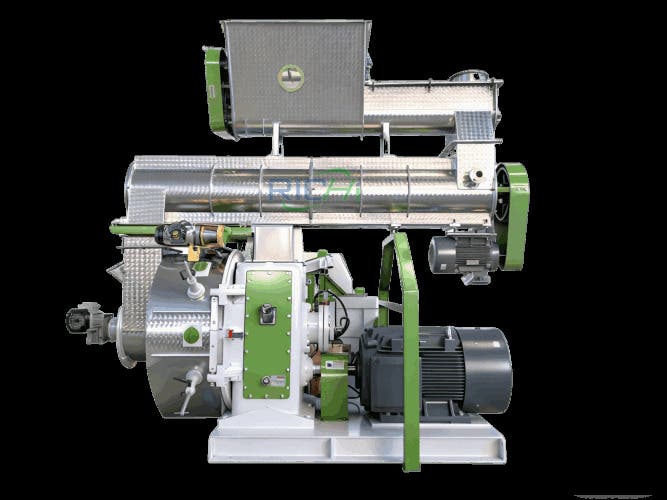
A well-plannedfeed pellet machine can serve as the core of a small livestock feed project while leaving room to add conveyors, storage, cooling, or packaging equipment later.