Efficient feed production is becoming increasingly important as goat farms expand their operations. A well-designed feed processing system can help farmers produce balanced feed, reduce raw material waste, and improve daily feeding management. Among different feed forms, pellets are widely used because they are compact, easy to handle, and suitable for consistent feeding.
Goat feed pellets can be made from grains, forage, protein meals, bran, minerals, vitamins, and other ingredients. The exact formulation depends on the nutritional requirements of the goats and the availability of local raw materials.
Preparing Raw Materials
Good pellet production begins with proper raw material preparation. Grains and other ingredients should be cleaned before entering the processing system. Stones, metal pieces, soil, and other impurities need to be removed to protect the equipment and maintain feed quality.
Large grains and fibrous materials may then be processed through a hammer mill or other crusher. Appropriate particle size helps improve mixing performance and pellet formation.
After crushing, ingredients are accurately weighed according to the feed formula. A mixer then combines the materials into a uniform mixture. Consistent mixing is especially important when the formula contains small quantities of minerals, vitamins, or additives.
Pelletizing Goat Feed
After mixing, the feed may be conditioned with steam or controlled moisture before pelletizing. Conditioning improves the physical properties of the material and can contribute to better pellet durability.
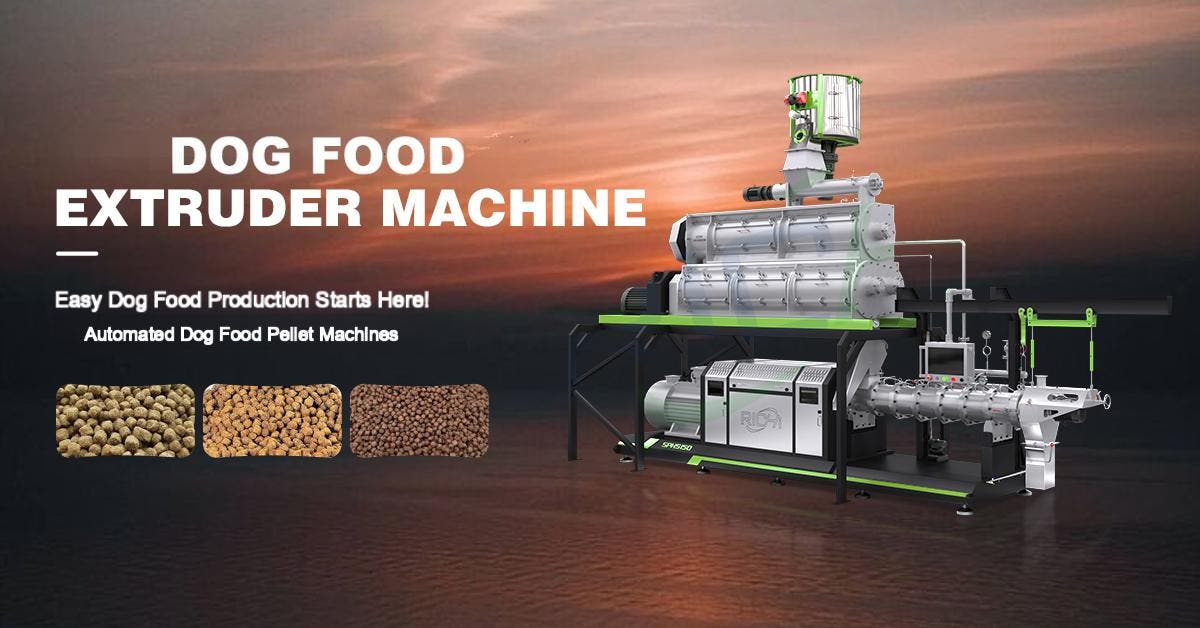
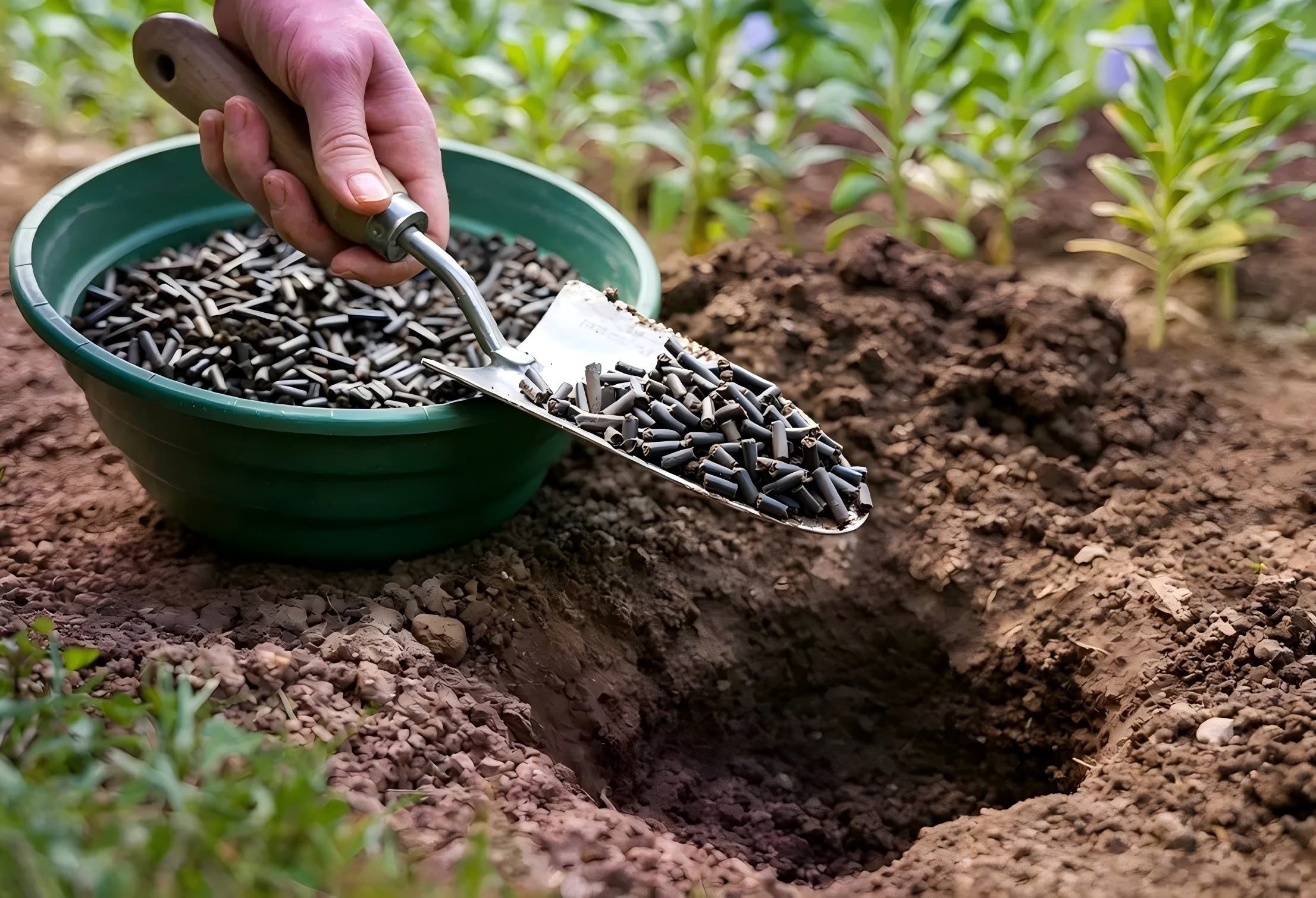
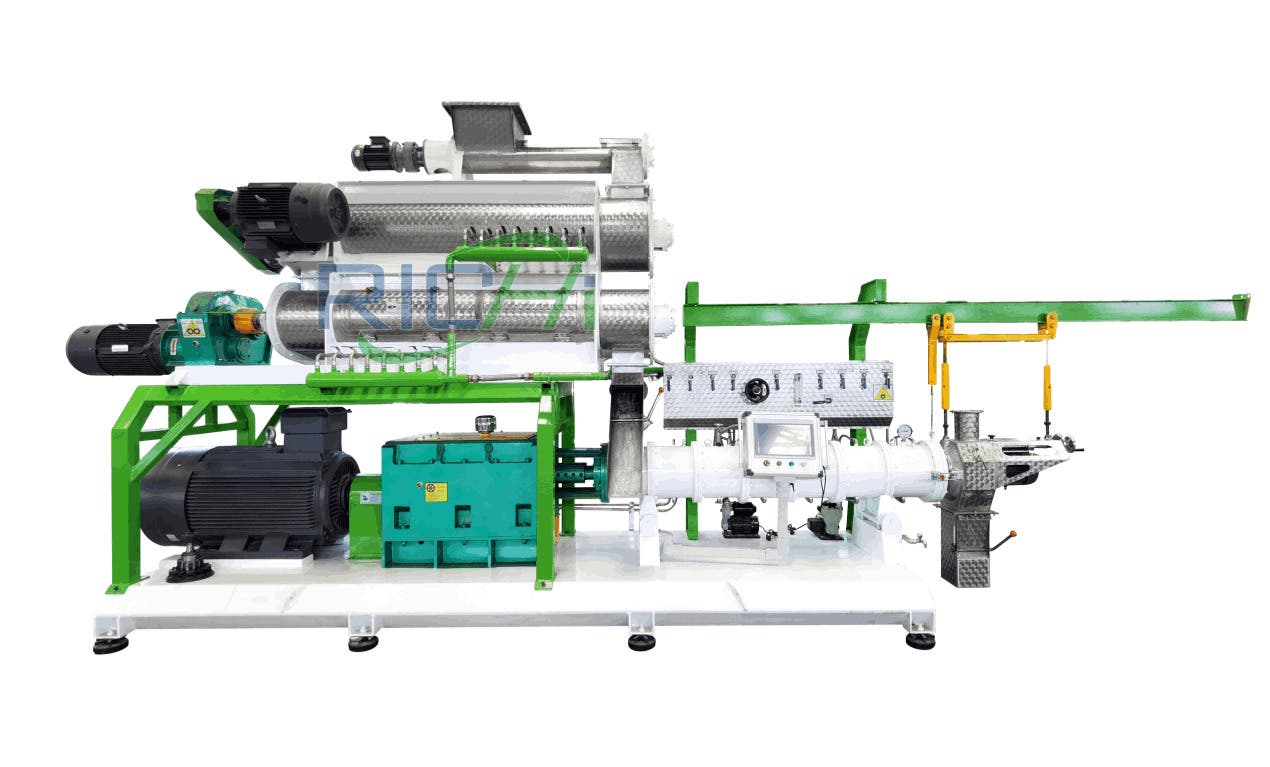
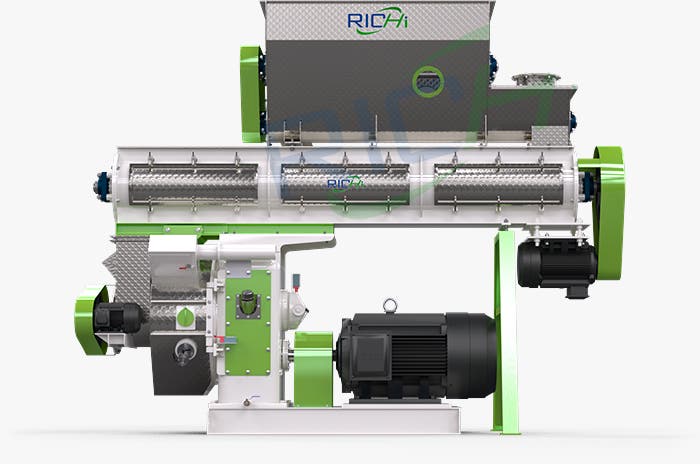
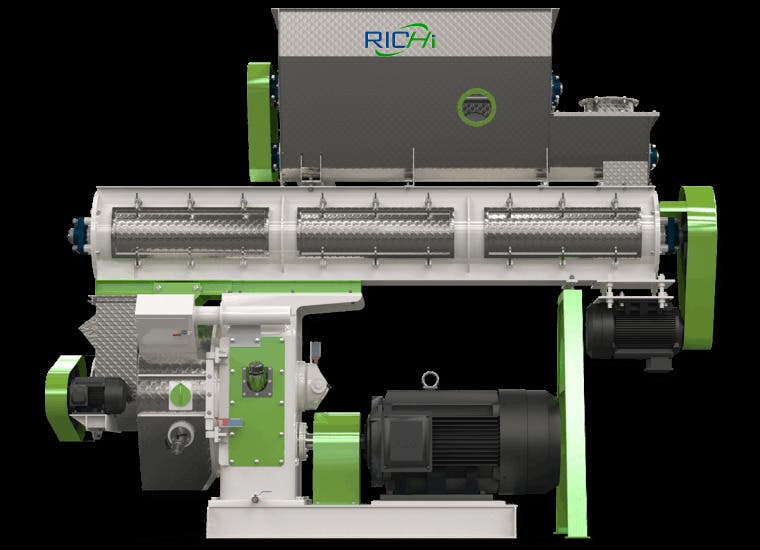
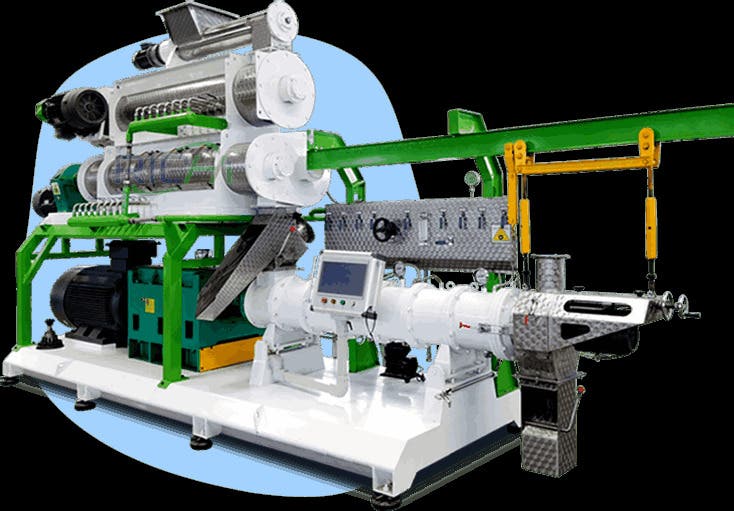
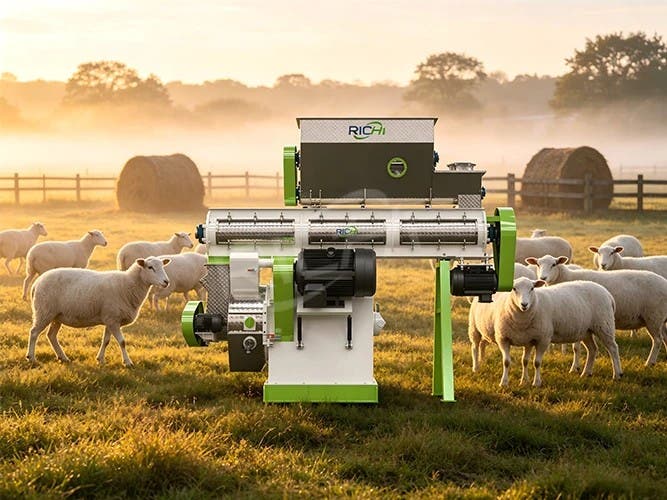
A goat feed pellet making machine compresses the prepared feed through a die to form cylindrical pellets. The die diameter can be selected according to the feeding requirements of different goat groups.
When choosing a pellet machine, farmers should consider production capacity, raw material characteristics, pellet size, operating hours, and future expansion plans. Small farms may use compact equipment, while commercial farms generally require higher-capacity ring die pellet mills and automated auxiliary systems.
(click here: richipelletizer.com/goat-feed-pellet-making-machine/)
Cooling and Screening
Fresh pellets are hot and contain relatively high moisture after leaving the pellet mill. A cooler is therefore used to reduce their temperature and stabilize the pellets before storage.
Screening equipment then separates qualified pellets from fines and oversized particles. Fines can often be returned to the production process, helping reduce material losses.
For larger production lines, automatic packing equipment can weigh and pack finished pellets into bags, reducing manual labor and improving packaging consistency.
Building a Complete Production System
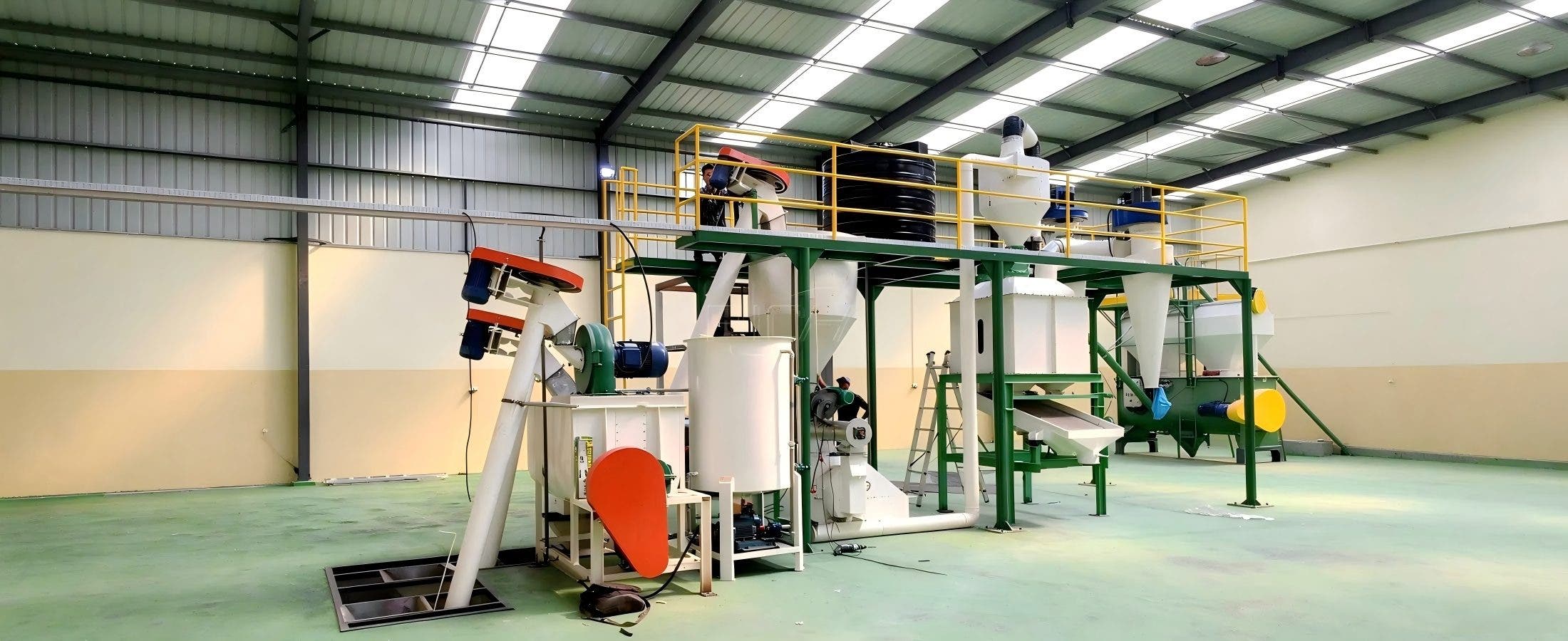
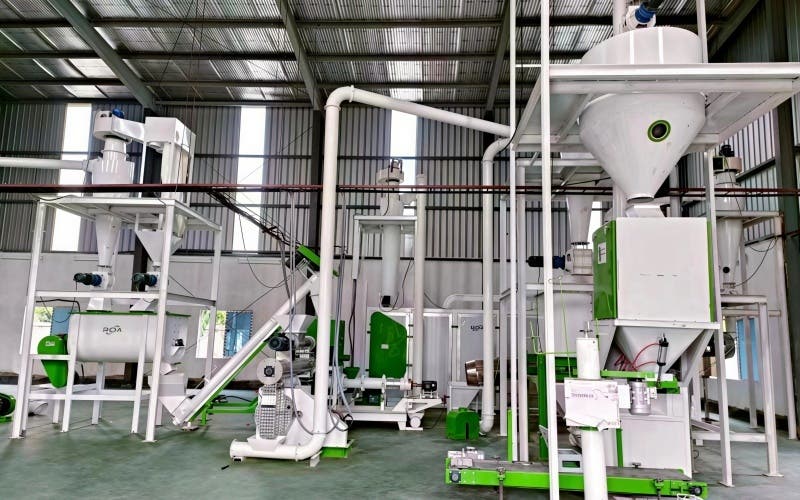
A goat feed production project should not focus only on the pellet mill. Crushing, batching, mixing, conditioning, pelletizing, cooling, screening, and packing equipment should be properly matched.
RICHI Pelletizer can provide customized goat feed production solutions according to raw materials, capacity, pellet specifications, workshop conditions, and investment requirements. The service can include production line design, equipment manufacturing, transportation, installation and commissioning, operator training, and after-sales support.
A properly designed system allows goat farms to produce consistent feed while improving production efficiency and reducing unnecessary operating costs. With suitable equipment and process management, pellet production can become a practical part of modern goat farming.