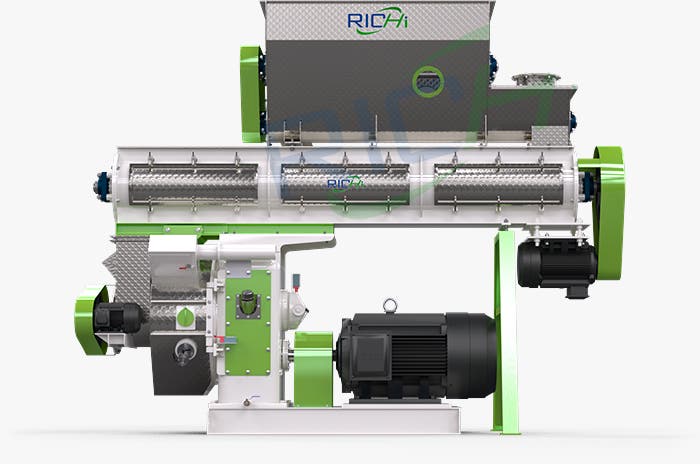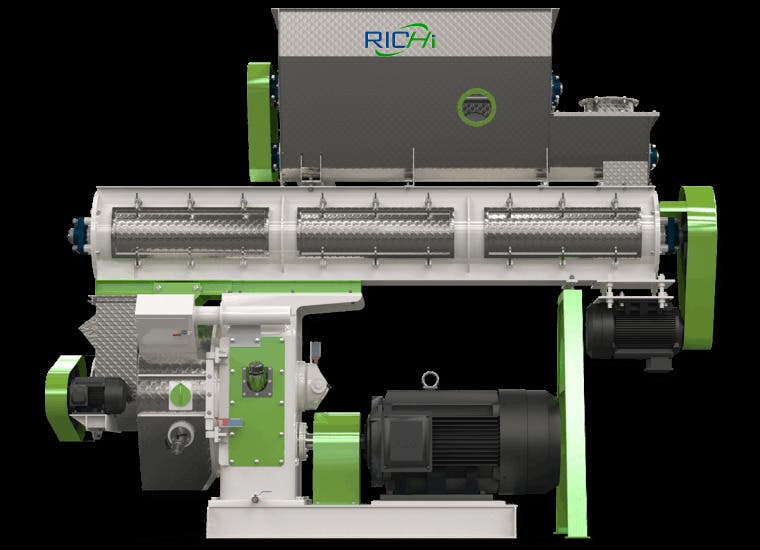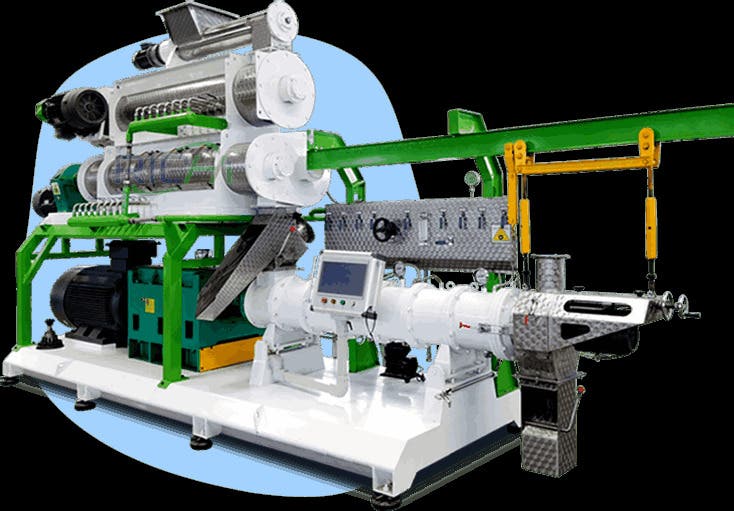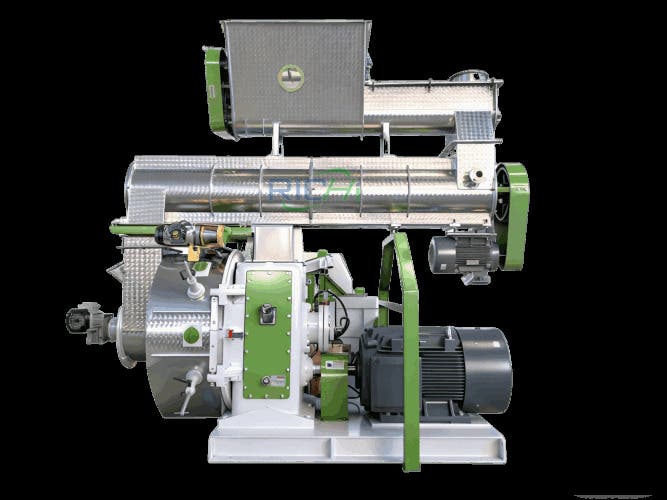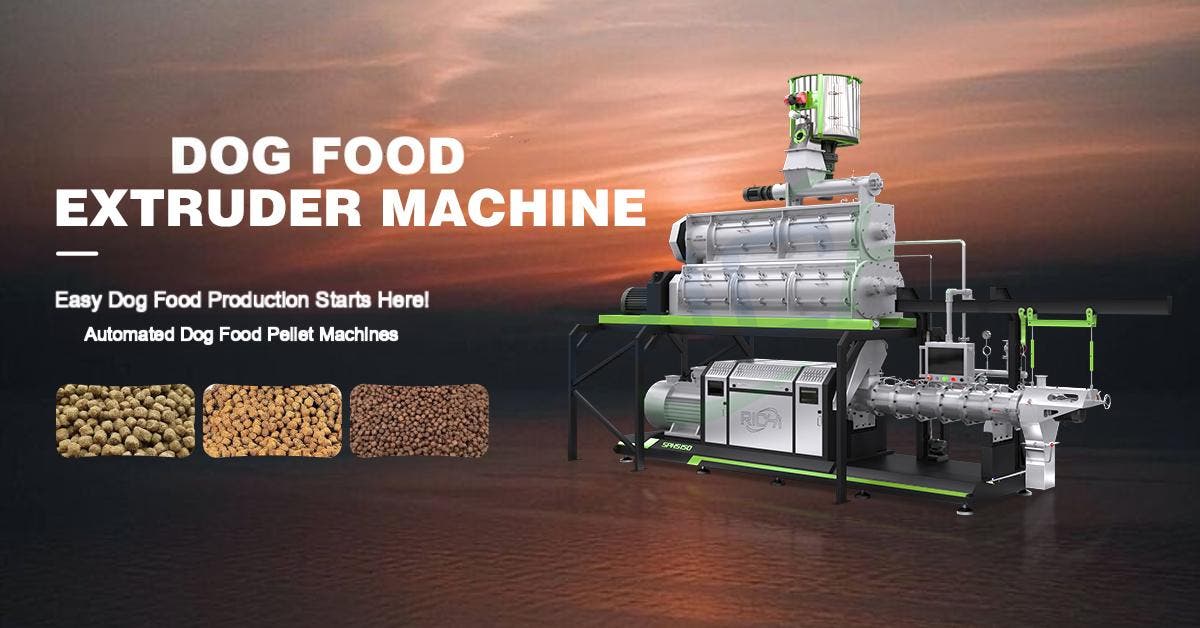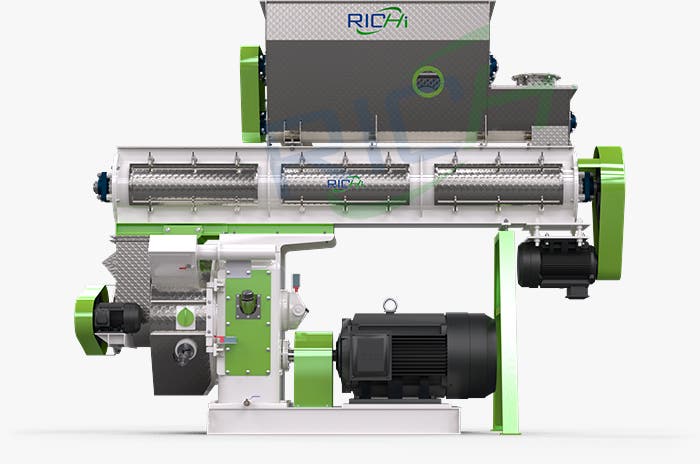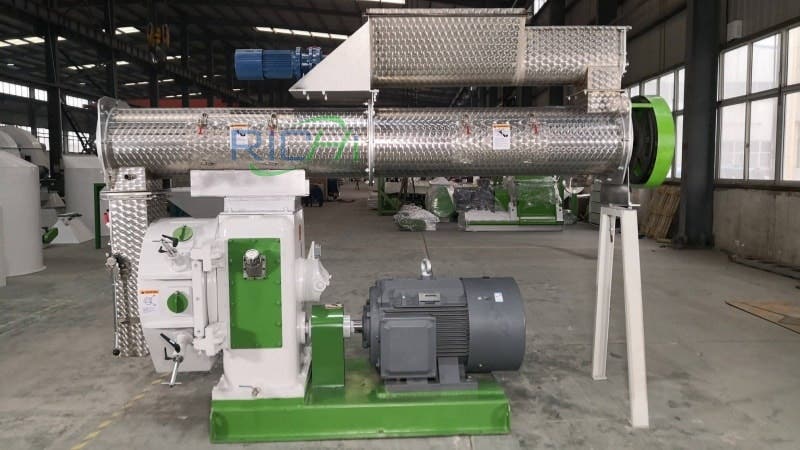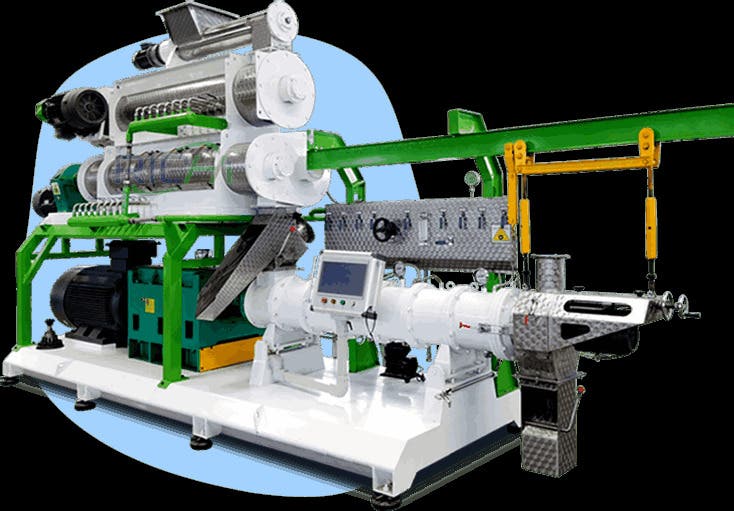
The demand for dry pet food has created opportunities for small businesses, pet food manufacturers, and agricultural companies looking to develop their own production lines. An extruder is one of the key machines in this process because it uses heat, moisture, pressure, and mechanical shear to form and cook the feed.
When looking at apet food extruder for sale, buyers should consider more than the machine's appearance or advertised capacity. The right choice depends on the pet food formula, product shape, production capacity, moisture requirements, and desired level of automation.
What Does a Pet Food Extruder Do?
Extrusion combines several processing functions in one stage. Prepared ingredients are fed into the extruder, where mechanical action generates pressure and heat. Water or steam may also be introduced depending on the process.
The material is then forced through a die to create the required product shape. A cutter positioned after the die can control the length of the finished pieces.
For dog and cat food, extrusion can also help improve the digestibility of certain starch-containing ingredients by cooking them under controlled conditions.
The exact process depends on the formula and final product specifications.
Single-Screw or Twin-Screw?
One of the first decisions is whether to use a single-screw or twin-screw extruder.
Single-screw machines generally have a simpler structure and can be suitable for relatively stable formulas and smaller production requirements. They are often considered when the priority is a straightforward production system and lower initial equipment cost.
Twin-screw extruders use two intermeshing screws and provide stronger mixing and conveying capabilities. They can offer greater flexibility when processing formulas containing different ingredients or when more precise control of processing conditions is required.
For manufacturers planning multiple product formulas, twin-screw technology may provide additional flexibility, although the equipment is usually more expensive.
Raw Materials and Formula
Pet food formulas can contain cereals, meat meal, fish meal, soybean products, animal protein, starch sources, fats, vitamins, minerals, and other ingredients.
These materials should normally be ground and mixed before extrusion. Consistent particle size helps the ingredients mix evenly and enter the extruder at a stable rate.
Formula composition also affects extrusion behavior. Higher starch levels, different protein sources, moisture levels, and fat content can change the required processing conditions.
For this reason, suppliers should understand the intended formula before recommending a specific machine.
Die and Product Shape
The die determines the basic shape of the extruded product. Different dies can produce different pellet or kibble shapes.
The cutter then controls the length of the product as it leaves the die.
Manufacturers producing several pet food products may therefore require interchangeable dies and cutting configurations.
Product size is not only a visual consideration. It should also match the target animal and feeding requirements.
What Equipment Is Needed After Extrusion?
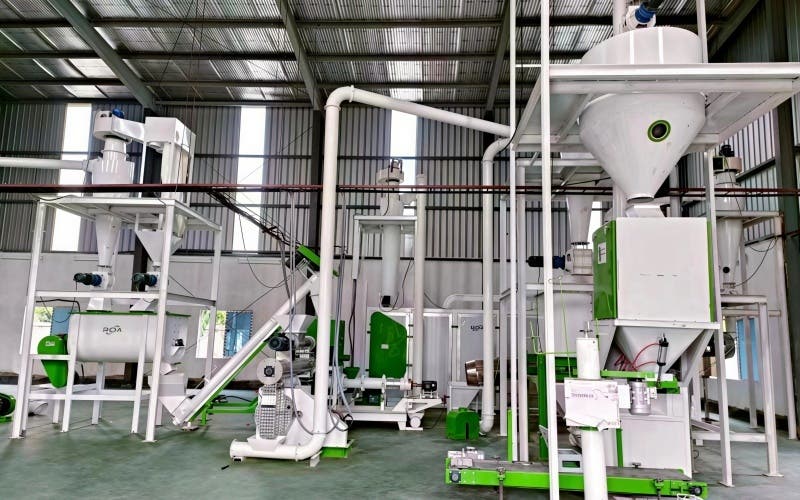
The extruder is only one part of a complete pet food production process.
A typical line may include:
- Raw material grinder
- Mixer
- Extruder
- Dryer
- Flavoring or coating system
- Cooler
- Screening equipment
- Packing machine
After extrusion, the product usually contains more moisture than is suitable for long-term storage. A dryer reduces moisture to an appropriate level, while cooling prepares the product for packaging.
Oil or flavor coating may also be added after drying depending on the product formula.
What Should You Check Before Buying?
Before purchasing equipment, buyers should confirm several technical details:
- Target production capacity
- Raw material and formula
- Product size and shape
- Required moisture level
- Single- or twin-screw configuration
- Motor power
- Die specifications
- Auxiliary equipment
- Spare parts and after-sales support
Comparing machines based on these factors provides a more useful evaluation than simply comparing the listed price.
A 5T/H twin screw extrusion machineshould also be viewed in relation to the complete system. A low-cost machine may appear attractive initially but may not include the dryer, cutter, control cabinet, or other equipment required for production.
For manufacturers planning a complete project, pellet production line solutions can also be evaluated when comparing different approaches to feed processing.
Ultimately, the best extruder is the one that matches the formula, capacity, product specifications, and investment plan. Careful equipment selection at the beginning can help reduce production problems and make future product expansion easier. Buyers can click to read additional information before requesting a detailed configuration and quotation.