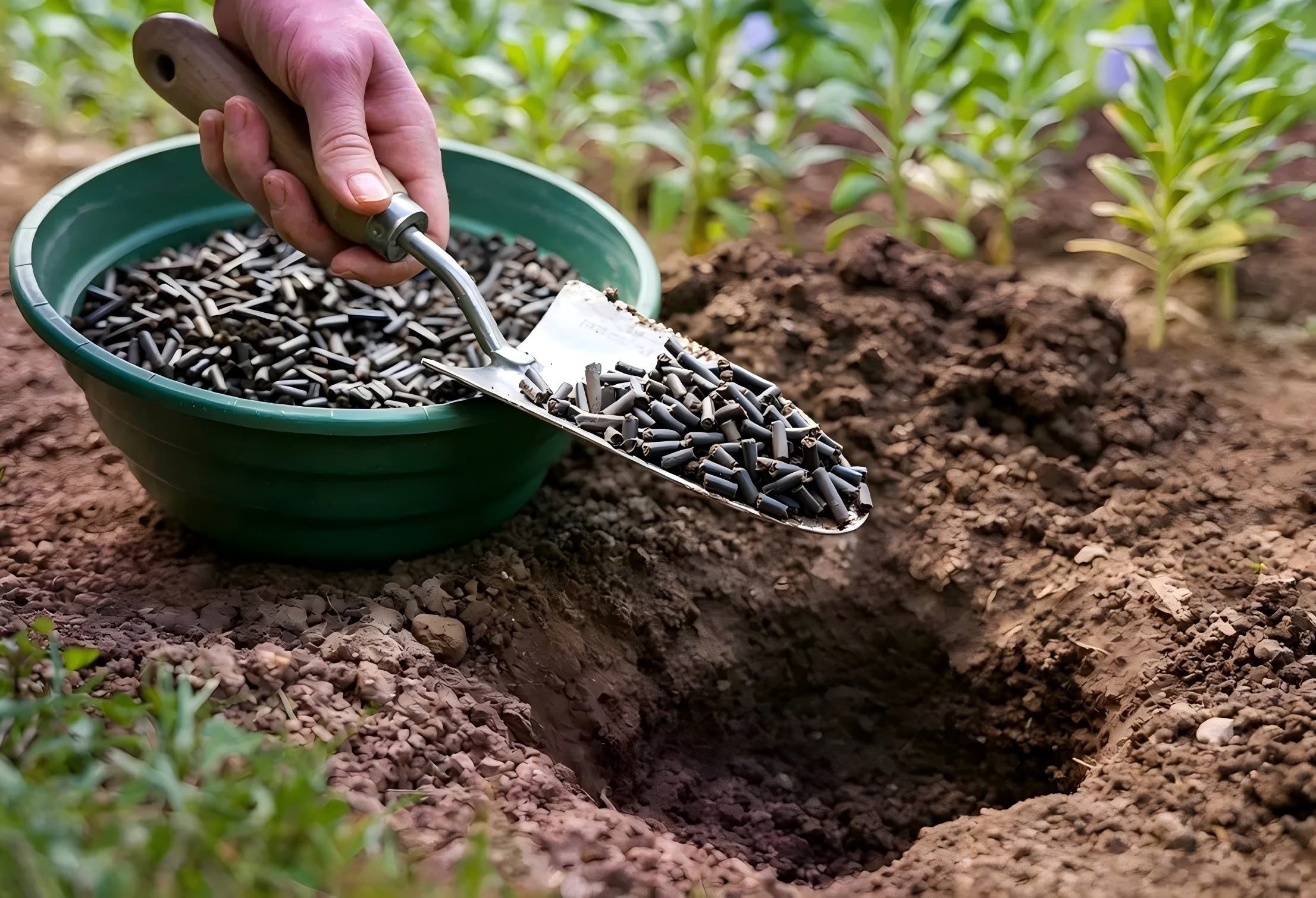
Overview of Organic Fertilizer Manufacturing
Organic fertilizer production is an important part of sustainable agriculture. It converts organic materials, such as livestock manure, poultry litter, crop residues, and compost, into valuable products that supply plant nutrients and improve soil quality. With increasing attention to resource recycling and environmental protection, organic fertilizer manufacturing has become an essential component of modern agricultural development.
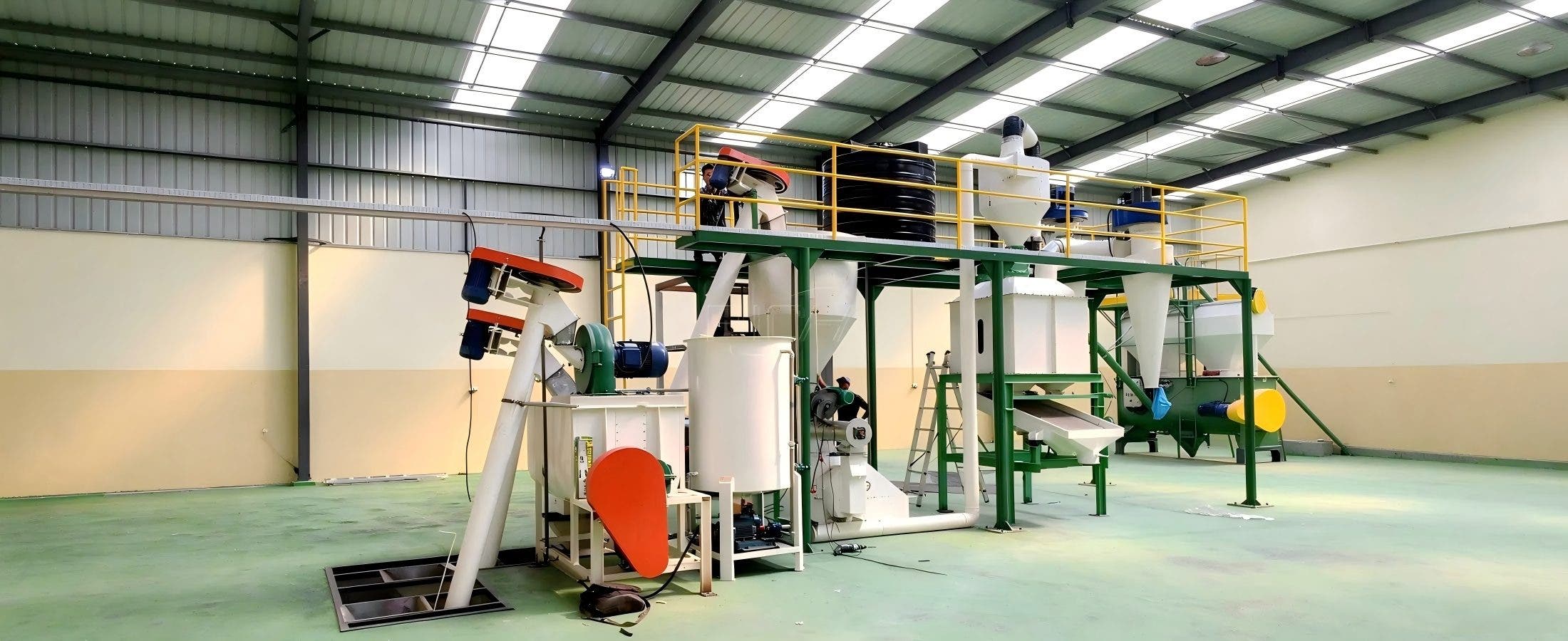
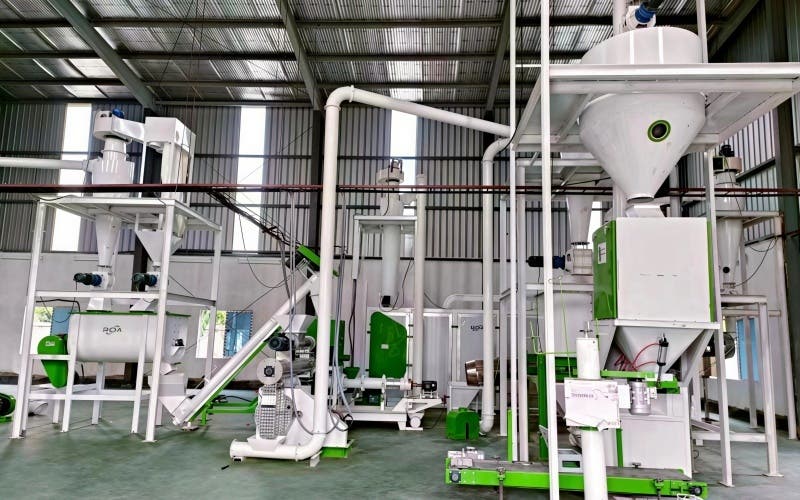
The production process generally includes raw material collection, sorting, crushing, composting, mixing, granulation, drying, cooling, screening, and packaging. The exact process depends on the characteristics of the raw materials, the desired nutrient composition, and the final product requirements.
Raw Materials for Organic Fertilizer
A wide range of organic materials can be used in fertilizer manufacturing. Animal manure provides nitrogen, phosphorus, potassium, and organic matter. Crop residues contribute carbon and help improve the physical structure of the finished product. Compost and plant-based waste can also serve as important ingredients.
Before processing, raw materials should be evaluated for moisture content, nutrient composition, and potential contaminants. Proper preparation helps improve production efficiency and ensures that the finished fertilizer meets relevant quality requirements.
Main Production Processes
Composting is commonly used to stabilize organic materials before further processing. During composting, microorganisms decompose biodegradable matter under suitable temperature, moisture, and oxygen conditions. Proper management can reduce unpleasant odors and help produce a more stable material.
After composting, the material may be crushed and mixed with other ingredients to achieve a more uniform composition. Granulation or pelletizing can then transform the prepared material into convenient solid particles.
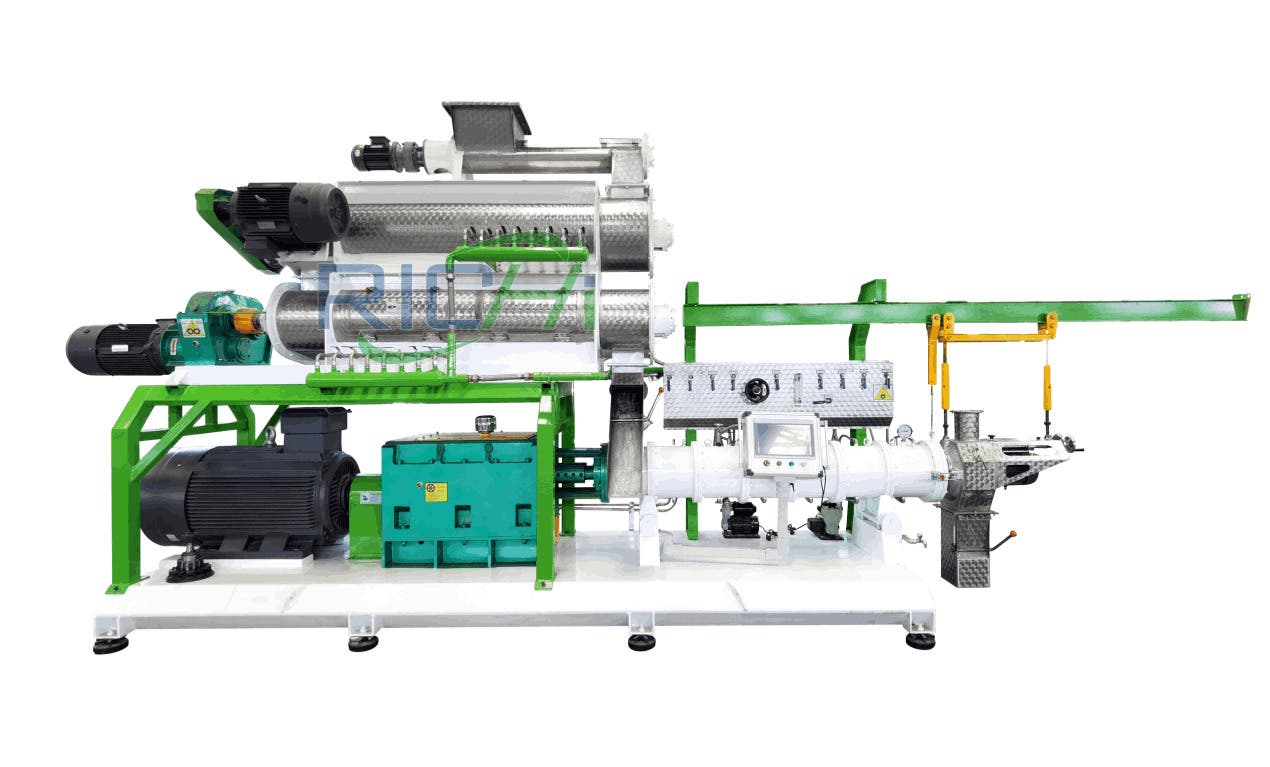
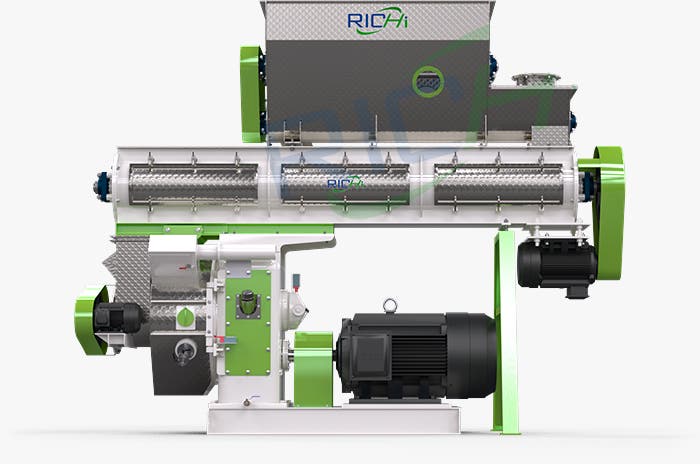
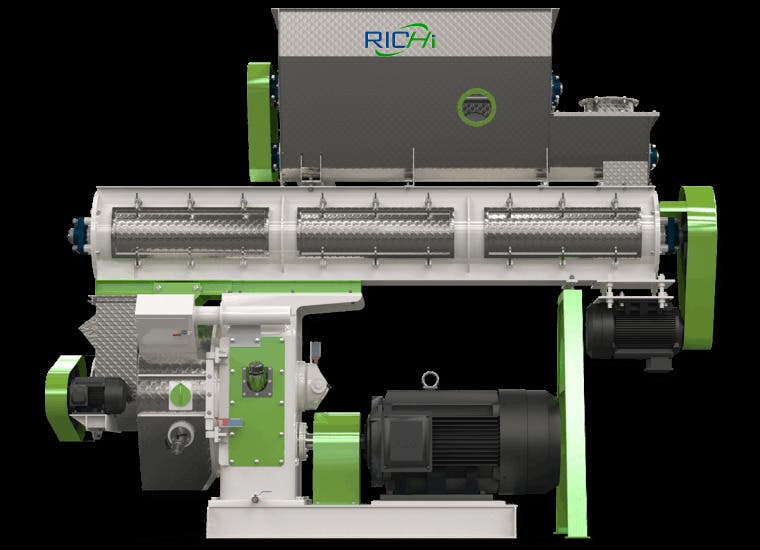
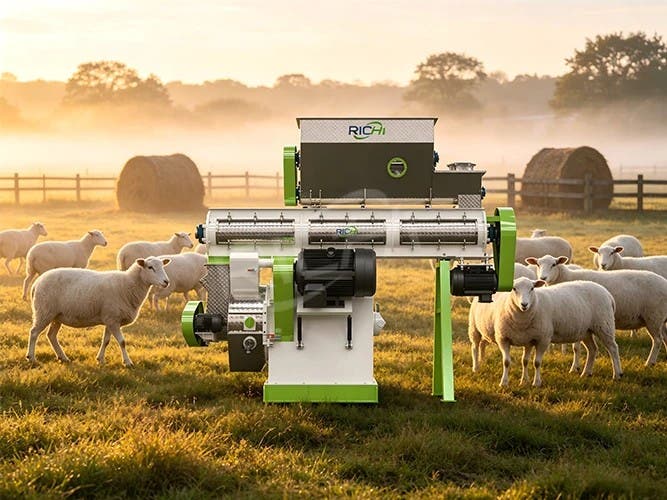
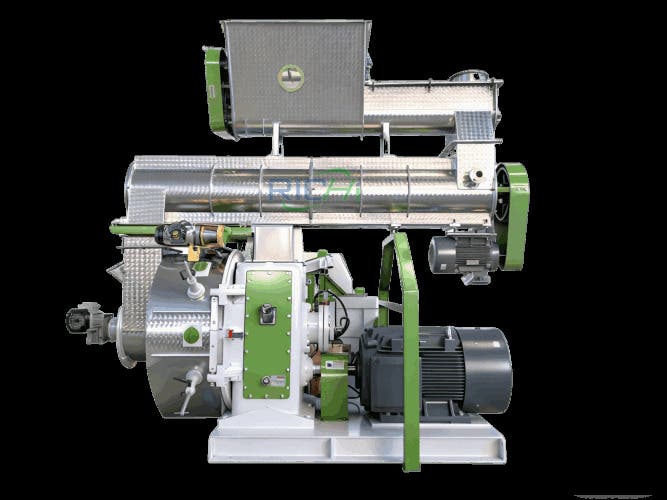
An organic fertilizer pellet mill is commonly used to produce compact fertilizer pellets from suitable organic materials. Pelletizing can improve product handling, facilitate transportation, reduce dust, and support more convenient storage. The machine type should be selected according to raw material properties, moisture levels, required capacity, and pellet specifications.
Following pellet formation, the material may pass through drying, cooling, and screening stages. Drying reduces excess moisture, cooling helps stabilize the product temperature, and screening separates qualified pellets from undersized or oversized particles. Rejected particles can often be recycled into the production process.
(click here: richipelletizer.com/organic-fertilizer-pellet-machine/)
Equipment and Quality Control
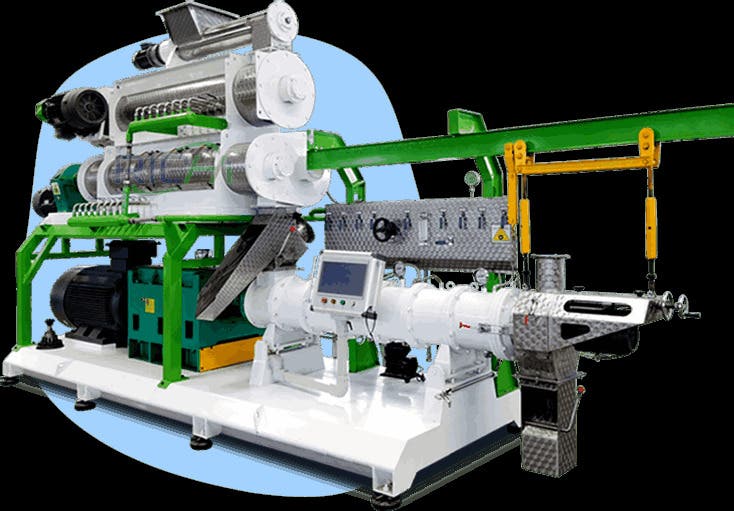
A typical organic fertilizer pellet production line may include crushers, mixers, composting equipment, pellet mills, dryers, coolers, screens, conveyors, and packaging machines. The configuration depends on the factory's production capacity and manufacturing requirements.
Quality control is essential throughout the process. Manufacturers commonly monitor nutrient content, moisture, particle size, pellet strength, and contaminant levels where applicable. Consistent raw material preparation and regular equipment maintenance help maintain stable product quality and reduce production interruptions.
Benefits of Organic Fertilizer Production
Organic fertilizer manufacturing supports the recycling of agricultural waste and can reduce the volume of organic materials requiring disposal. Properly produced organic fertilizers supply nutrients while adding organic matter to soil. They can contribute to improved soil structure, water retention, and biological activity.
However, fertilizer application should be based on crop nutrient requirements and soil conditions. Appropriate processing and testing are also necessary to manage potential pathogens, contaminants, and excessive nutrient concentrations.
Conclusion
Organic fertilizer production combines biological treatment with mechanical processing to transform organic resources into useful agricultural products. From raw material preparation to pelletizing and packaging, each stage contributes to product quality and production efficiency. With suitable equipment, effective process management, and reliable quality control, manufacturers can produce consistent organic fertilizer products that support agricultural productivity and responsible resource utilization.