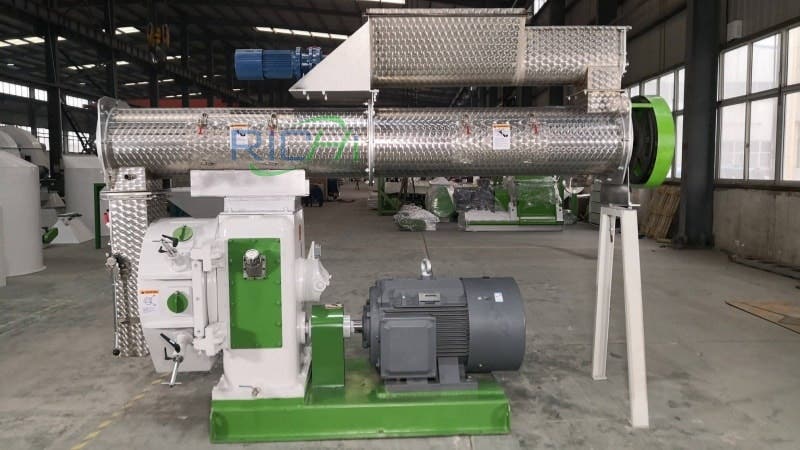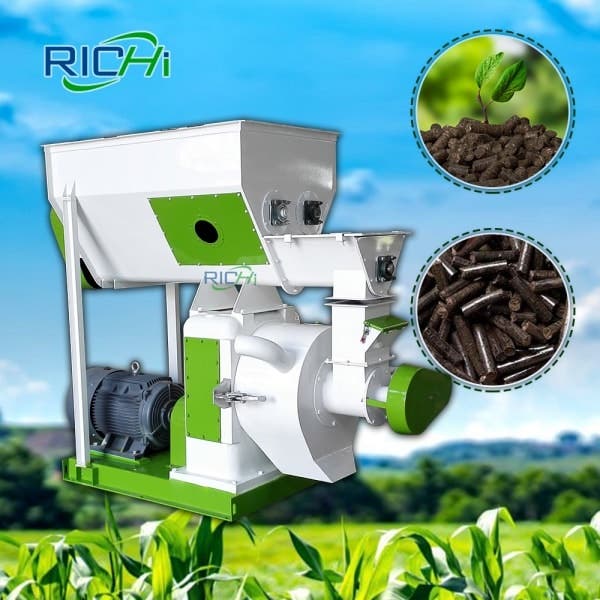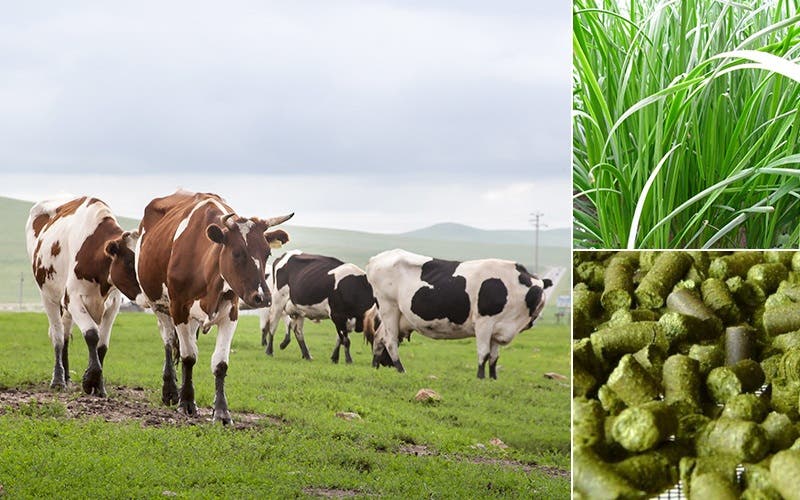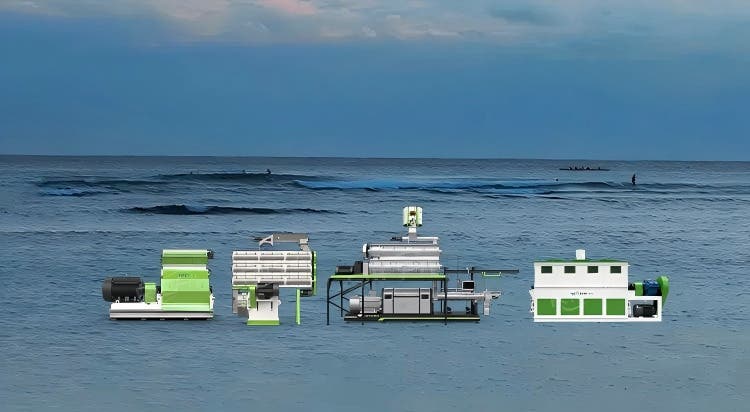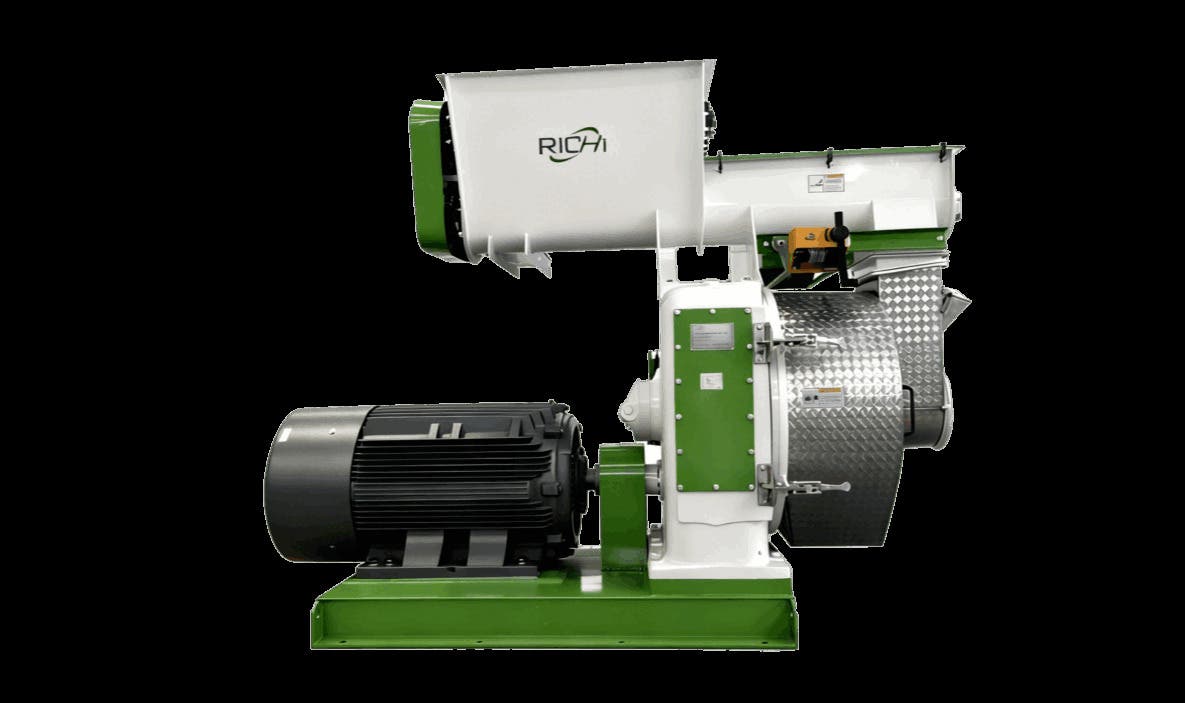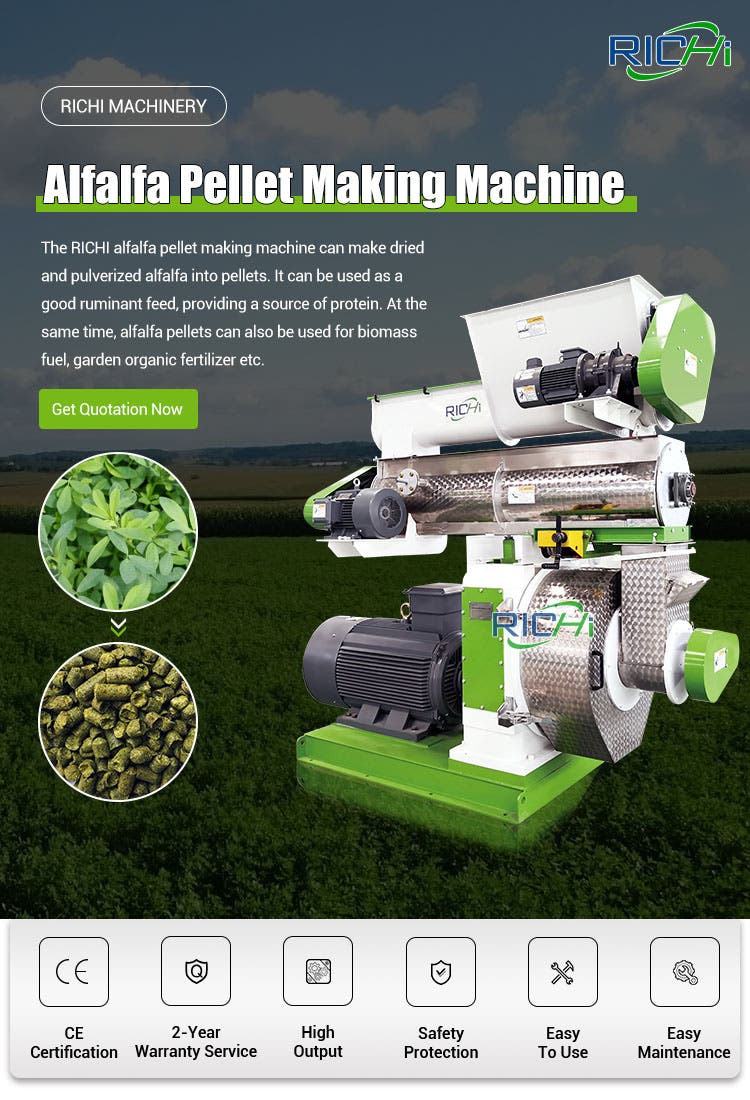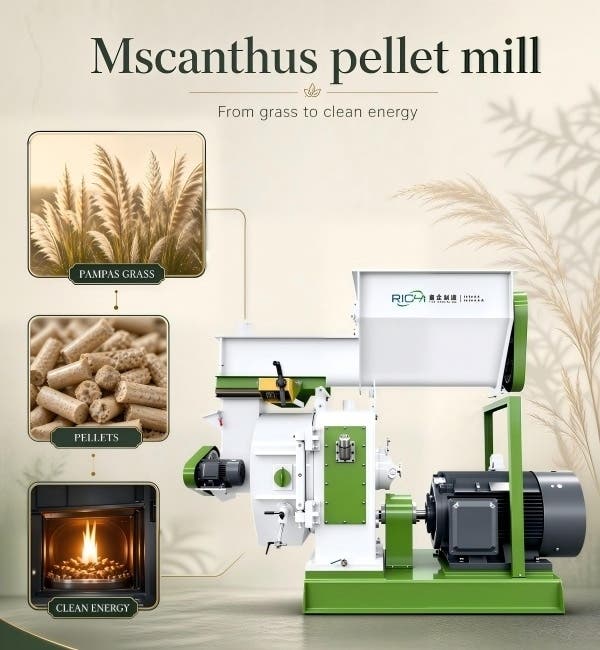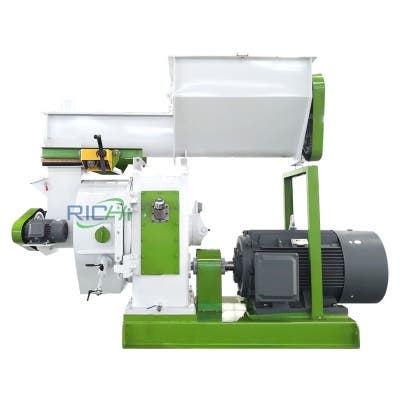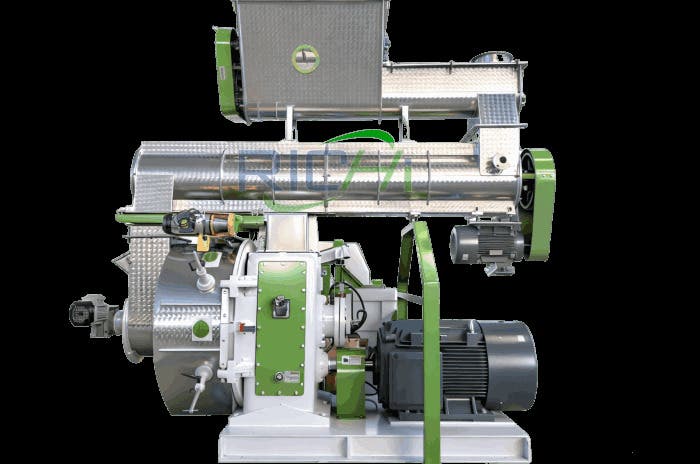
Grass pellets are easier to store, transport, and handle than loose grass or hay. For farms and feed businesses planning a pellet production project, understanding the factors behind grass pellet machine price is important before purchasing equipment.
The total investment depends on much more than the pellet mill itself. Raw material condition, production capacity, moisture, grinding, cooling, automation, and packaging can all affect the final cost.
Main Factors Affecting Grass Pellet Production Cost
The most important factors include:
- Production capacity
- Grass moisture
- Raw material condition
- Grinding requirements
- Pellet size
- Cooling system
- Automation level
- Packaging method
A small farm may only need grinding and pelletizing equipment, while a commercial factory may require a complete automated production line.
How Does Raw Material Affect Equipment Cost?
Different grass materials require different preparation.
Dry hay may already have suitable moisture and particle size, while fresh grass usually contains too much moisture and may require drying. Long grass fibers may also need chopping and grinding before pelletizing.
A typical process is:
Grass receiving → chopping → drying → grinding → pelletizing → cooling → screening → packaging
Not every project needs every stage. For example, dry hay may not require a dryer, while pre-processed grass may require less grinding.
Why Is Moisture Important?
Moisture directly affects pellet formation.
Material that is too wet can produce weak pellets and increase the load on the pellet mill. Material that is too dry may also have poor binding performance.
Therefore, the actual moisture of the grass should be checked before designing the production line. Fresh grass usually requires more preparation than dry hay, which can significantly increase equipment costs.
Why Does Grass Need Grinding?
Grass contains long fibers that can make feeding and compression unstable. A hammer mill can reduce the material to a more suitable particle size before pelletizing.
The goal is not simply to produce the finest powder. Grinding should be matched to the grass type, pellet diameter, and required production capacity.
Can Different Forages Be Pelletized?
Yes. A properly configured grass pellet production line can process materials such as:
- Alfalfa
- Hay
- Rhodes grass
- Napier grass
- Pasture grass
- Dried forage
Alfalfa can also be pelletized alone or mixed with grains, bran, minerals, and other feed ingredients. For sheep producers, an alfalfa sheep feed pellet machine can be used to produce compact forage-based feed.
What Animals Can Eat Grass Pellets?
Grass and forage pellets can be used for:
- Cattle
- Sheep
- Goats
- Horses
- Rabbits
Pellet diameter should be selected according to the animal and feeding method.
Does a Grass Pellet Line Need a Dryer?
It depends on the raw material.
If the grass is already dry and within a suitable moisture range, a dryer may not be necessary. Freshly harvested grass normally requires drying before grinding and pelletizing.
A rotary dryer can remove excess moisture, but adding a dryer increases the initial investment and energy consumption. Therefore, the drying requirement should be evaluated before selecting equipment.
What About Cooling and Screening?
Fresh pellets are hot after compression. Cooling reduces their temperature before storage and helps prevent quality problems.
Screening separates qualified pellets from fines and irregular pieces. Fines can usually be returned to the pellet mill, improving material utilization.
For small farms, simple cooling and manual handling may be sufficient. Larger factories normally require continuous cooling, screening, and conveying systems.
How Does Capacity Affect the Price?
Production capacity is one of the biggest cost factors.
A small farm may only need several hundred kilograms per hour, while a commercial producer may require several tons per hour.
Higher capacity generally requires larger:
- Pellet mills
- Hammer mills
- Dryers
- Coolers
- Conveyors
- Packaging systems
Therefore, buyers should calculate their daily production requirements before choosing equipment.
Do Small Farms Need a Complete Production Line?
Not necessarily.
A farm using dry hay may only need a grinder and pellet mill. If the grass is wet, a dryer may be required. If production is small, manual packaging can also reduce investment.
As production increases, additional equipment can be added to improve automation and efficiency.
What Should Buyers Compare?
When comparing suppliers, do not focus only on the machine purchase price. Consider:
- Production capacity
- Motor power
- Die and roller quality
- Energy consumption
- Spare parts
- Automation
- Installation
- After-sales service
A cheaper machine does not always result in lower production costs over its service life.