Wood waste is often treated as a disposal problem, but it can also become a useful source of biomass fuel. Sawdust, wood chips, and shavings can be processed into dense pellets that are easier to store, transport, and use.
For small businesses, the production process does not have to be complicated.
A Simple Production Process
For relatively dry wood waste, the process can be arranged as:
Crushing → Grinding → Pelletizing → Cooling → Screening
If the material contains excessive moisture, drying should be added before grinding.
The actual configuration depends on the condition of the raw material.
Why Is Grinding Important?
Wood chips and other residues may have different particle sizes.
Grinding creates a more uniform feedstock, helping the pelletizing process operate more consistently.
However, the material does not need to be ground unnecessarily fine. Proper particle size can help control electricity consumption while maintaining good pellet formation.
Choosing the Right Pelletizing Equipment
The core of the process is the pelletizing machine.
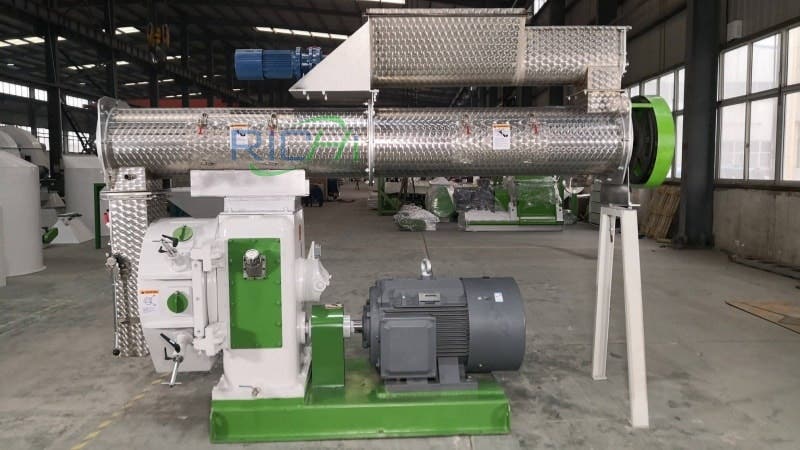
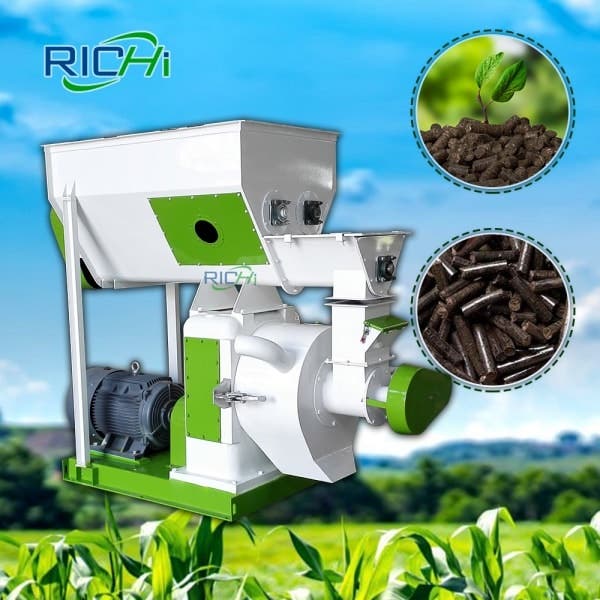
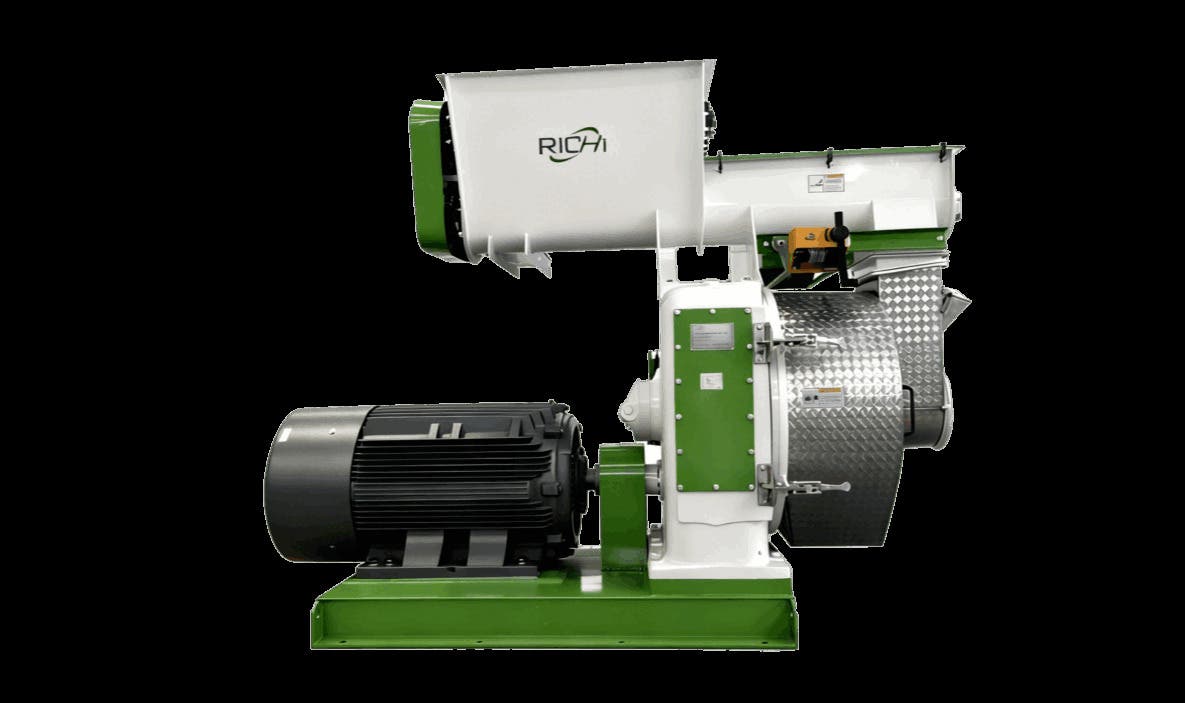
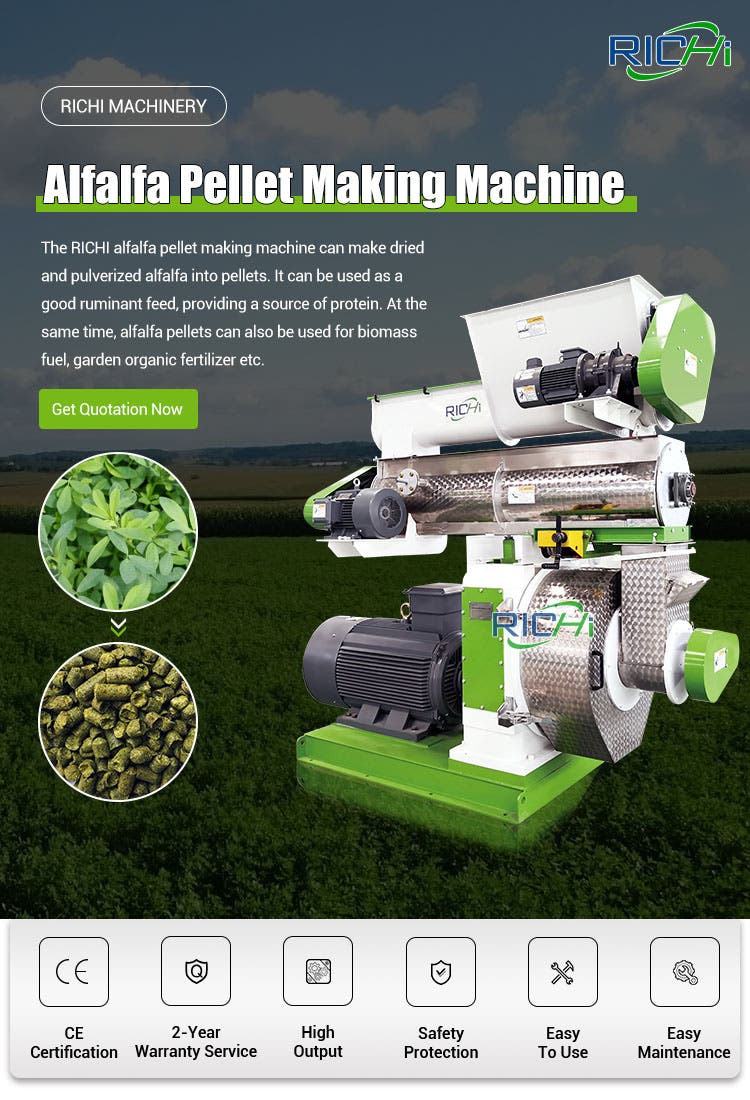
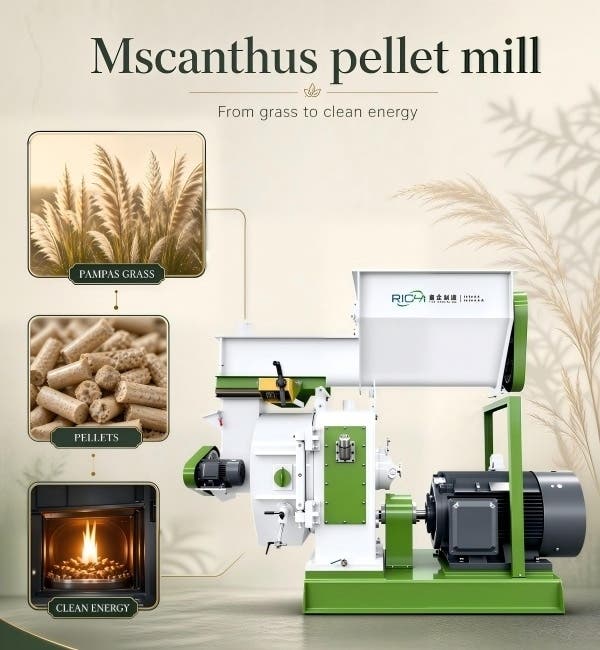
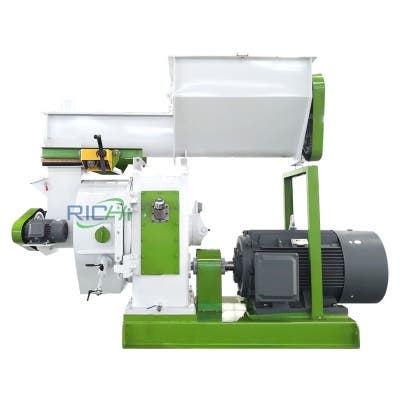
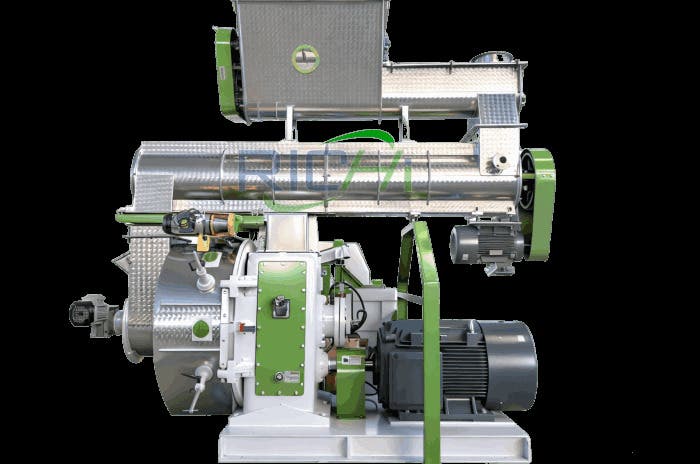
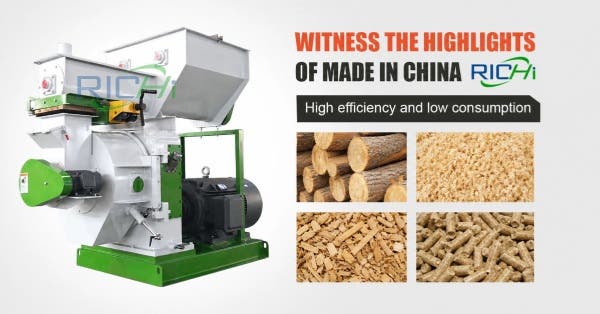
A wood pellet making machine compresses prepared wood material through a die to form cylindrical pellets.
The required equipment depends on:
- Raw material type
- Moisture
- Production capacity
- Pellet diameter
- Working hours
Small producers should avoid selecting equipment based only on maximum advertised capacity.
Can Other Biomass Materials Be Processed?
Some production systems can handle different agricultural and forestry residues.
For example, rice husk pellet mill applications are designed around rice-processing waste rather than wood waste.
Although both produce biomass fuel pellets, their physical characteristics are different. Testing the actual material is therefore important before finalizing equipment.
What Happens After Pelletizing?
Fresh pellets should normally be cooled before storage.
A screening machine can then separate fines and broken pellets from finished pellets.
The finished pellets can be packed into bags or stored in bulk, depending on the final market.
For small businesses, manual packaging may be sufficient and can help keep the initial investment lower.
What Should Buyers Consider?
Before purchasing equipment, buyers should prepare basic information about the raw material:
- Moisture content
- Particle size
- Daily supply
- Required output
- Pellet size
- Final application
This information allows the supplier to recommend a more suitable configuration.
Instead of purchasing a machine first and trying to adapt the factory later, it is better to design the process around the available raw material.
Final Thoughts
Wood waste can become a valuable biomass fuel when properly prepared and pelletized.
A simple production system may be enough for a small operation, while larger factories can add drying, automatic conveying, packaging, and storage equipment as production grows.
For businesses researching biomass equipment, view details from experienced manufacturers and compare complete production solutions before making an investment.