Albany, NY|Local Classified|For Sale|

How Can Farms Turn Loose Hay Into More Convenient Livestock Feed?
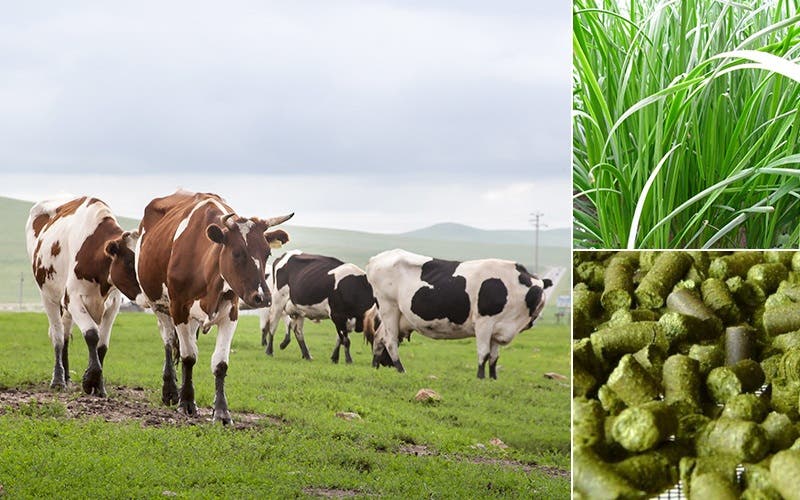
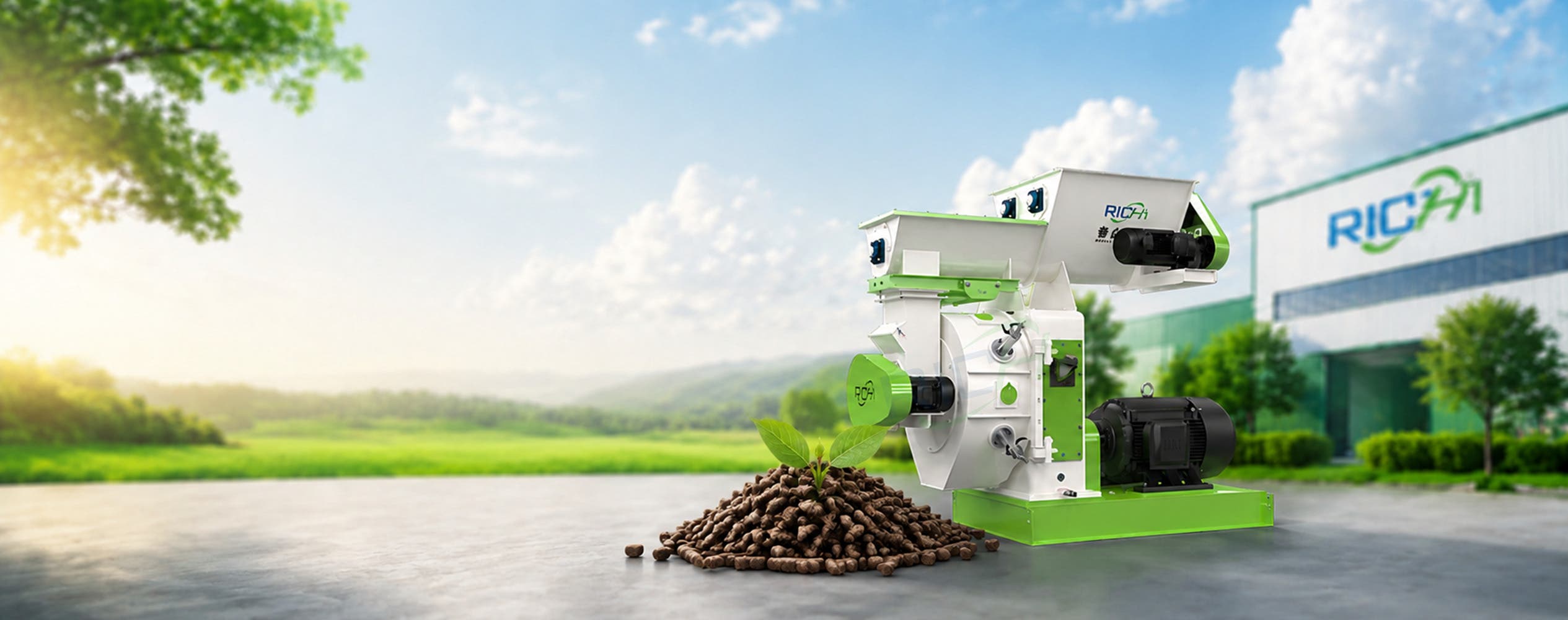
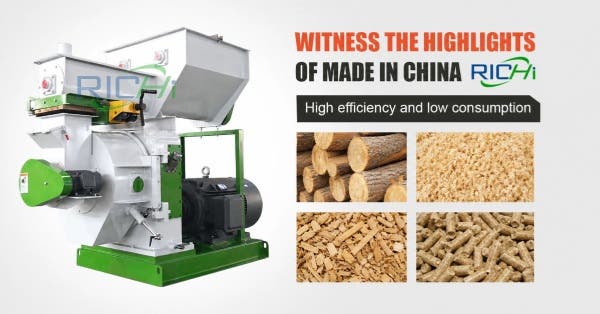
Hay and other dried forage materials are widely used for livestock feeding, but loose materials can create challenges during storage, transportation, and daily feeding. Pelletizing can compress these fibrous materials into uniform feed pellets, making them easier to handle while helping farms make better use of available forage.
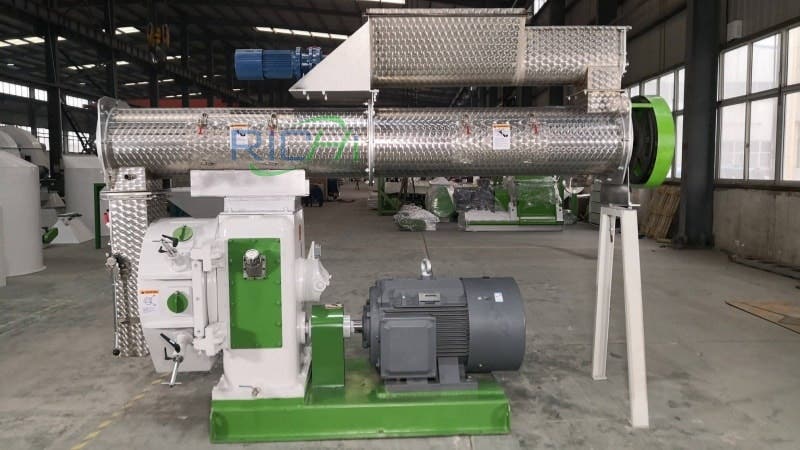
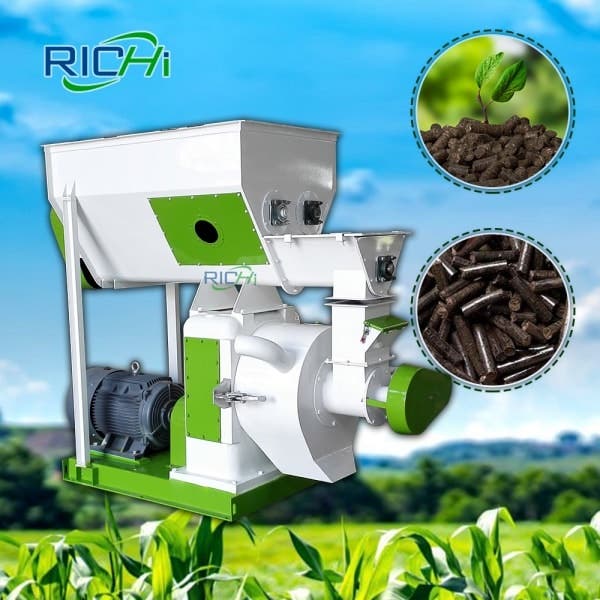
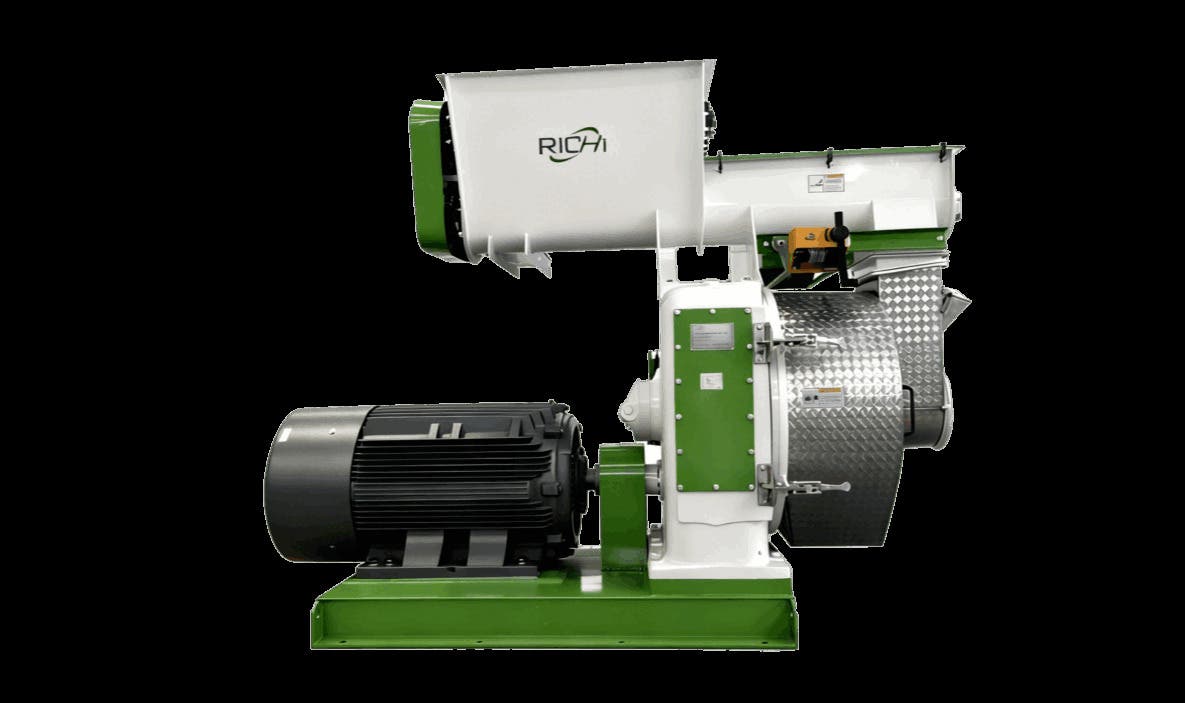
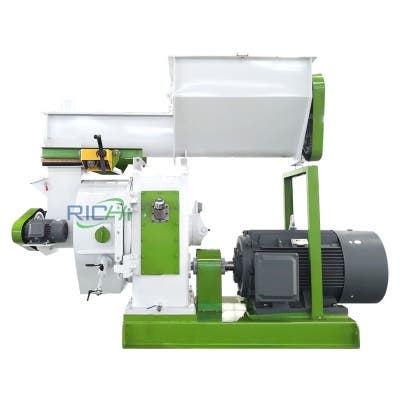
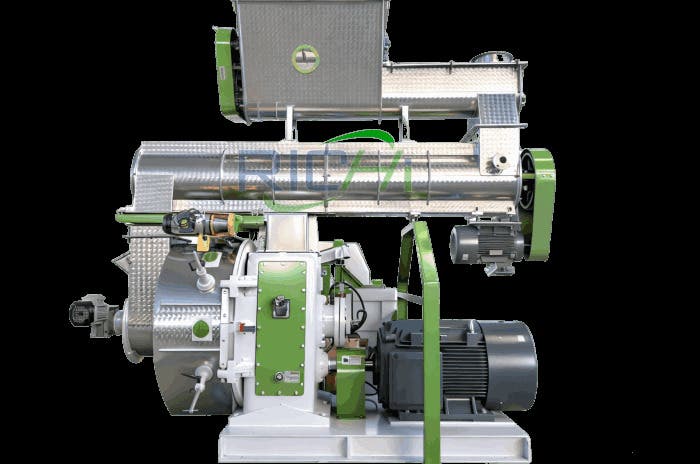
When comparing a hay pellet machine for small farm, buyers should first consider the type of hay, moisture content, required pellet diameter, and daily feed consumption. Small farms generally do not need the same equipment configuration as large commercial livestock operations.
Why Pelletize Hay?
Loose hay has a low bulk density and can take up considerable storage space. It can also be difficult to transport mechanically and may create more handling work during feeding.
Pelletizing compresses prepared hay into dense particles with a consistent shape. This can simplify storage and transportation and make it easier to measure feed quantities.
Hay may be processed alone or combined with other suitable forage or feed ingredients. The final formulation should be determined according to the nutritional needs of the livestock being fed.
What Is the Basic Production Process?
A typical hay pellet production process includes:
Hay preparation → chopping or crushing → mixing → pelletizing → cooling → screening → packaging
Long-stemmed hay generally needs to be reduced in size before entering the pellet mill. A hammer mill or forage cutter can help prepare the material for stable feeding.
After preparation, the material can be mixed with other ingredients if required. The pellet mill then compresses the mixture through a die to form cylindrical pellets.
Fresh pellets are relatively hot after compression, so cooling is normally recommended before storage. Screening can remove excessive fines and return suitable material to the production process.
How Much Capacity Does a Farm Need?
Capacity should be based on actual feed demand rather than simply selecting the largest machine available. A small family farm may only require a few hundred kilograms of pellets per hour, while a commercial livestock operation may need continuous production.
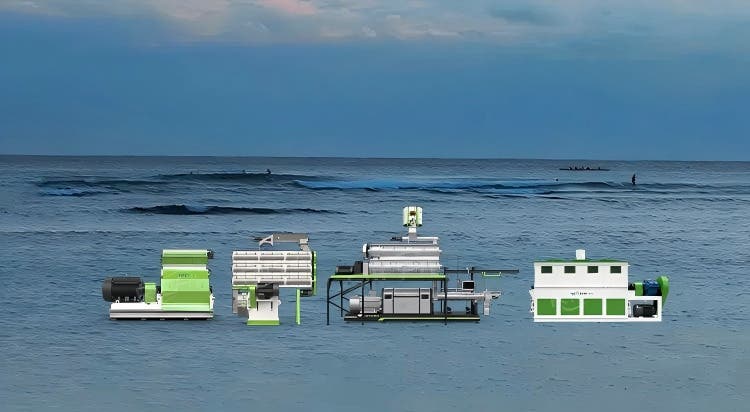
For larger operations, a commercial hay pellet production machine can be integrated with automatic feeding, conveying, cooling, screening, and packaging equipment. This can reduce manual labor and provide a more continuous production process.
However, purchasing excessive capacity can increase the initial investment without providing an immediate benefit. A properly sized system is generally easier to operate and maintain.
Why Is Raw Material Preparation Important?
Hay characteristics vary considerably depending on plant species, harvesting method, storage conditions, and moisture content. These differences can affect pellet formation.
Particle size is particularly important. If the fibers are too long, the material may feed unevenly into the pellet mill. If the material is processed too finely, energy consumption may increase without necessarily improving pellet quality.
Moisture also needs to be controlled. Material that is excessively wet can create unstable pellet formation and storage problems, while overly dry forage may not bind efficiently.
For this reason, testing the actual hay before selecting equipment can help determine whether additional crushing or conditioning equipment is required.
Can Other Forage Be Processed?
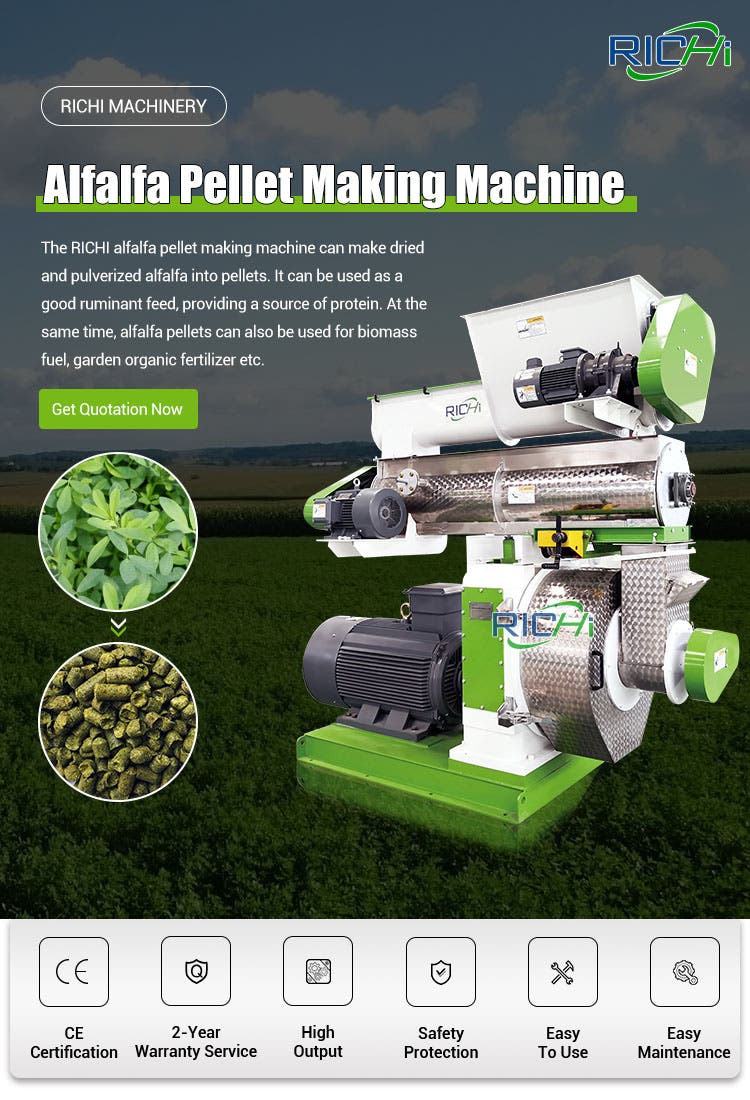
Yes. Depending on the equipment configuration, farms may process alfalfa, grass, straw, and other suitable forage materials. A alfalfa pellet machine for sale may therefore be relevant to farms that want to process high-quality forage into compact pellets.
However, different materials have different fiber structures and moisture characteristics. A machine configuration that works well for one forage should not automatically be assumed to provide identical results with another.
Material testing can help determine suitable die specifications, feed rate, and preparation requirements.
Should Small Farms Automate the Process?
Automation depends on production scale. A small farm can often begin with a basic system using manual feeding and simple conveying.
As production increases, automatic feeders, conveyors, coolers, screening machines, and packaging equipment can be added. This modular approach allows the farm to increase production without replacing the entire system.
A larger production line can also improve workflow by connecting each stage into a continuous process, reducing unnecessary material handling between machines.