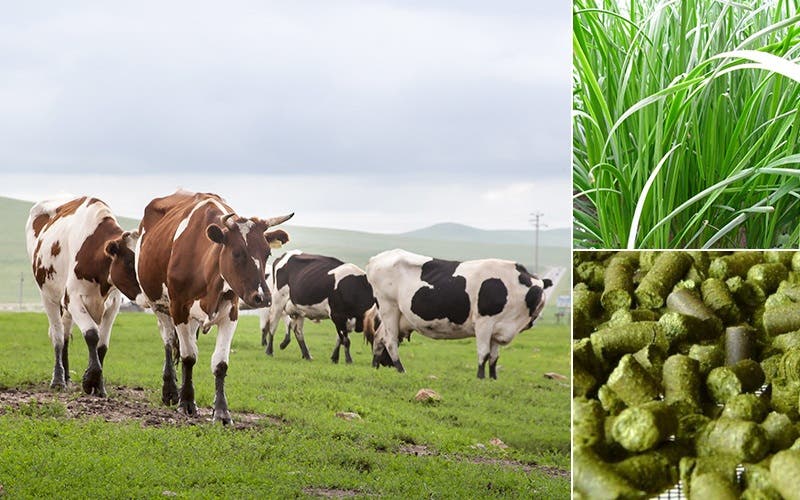
Cow dung is one of the most abundant organic by-products generated by dairy farms, cattle ranches, feedlots, and mixed livestock farms. With the development of intensive animal husbandry, efficient manure management has become increasingly important. Large quantities of fresh cow dung can create difficulties in storage, transportation, odor control, and environmental management if they are not properly treated.
Instead of regarding cow dung only as waste, farmers and fertilizer manufacturers can process it into value-added organic fertilizer. Through fermentation, composting, drying, crushing, mixing, pelletizing, cooling, screening, and packaging, loose cow dung can be transformed into compact fertilizer pellets that are easier to handle, transport, store, and apply.
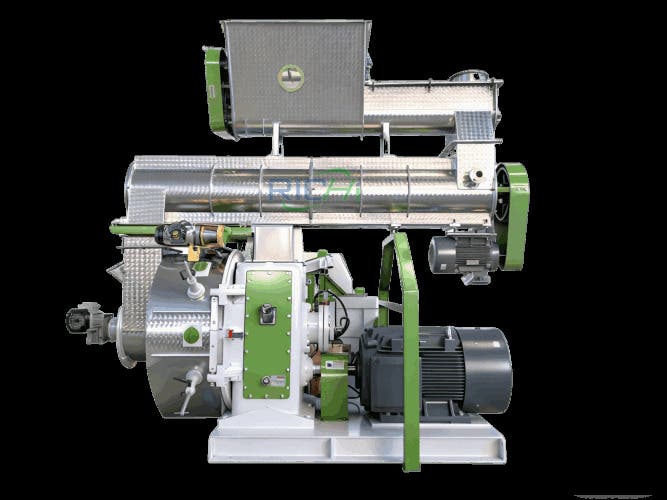
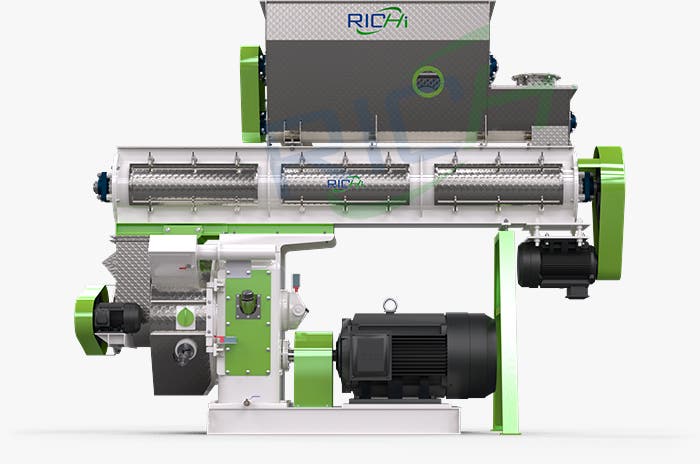
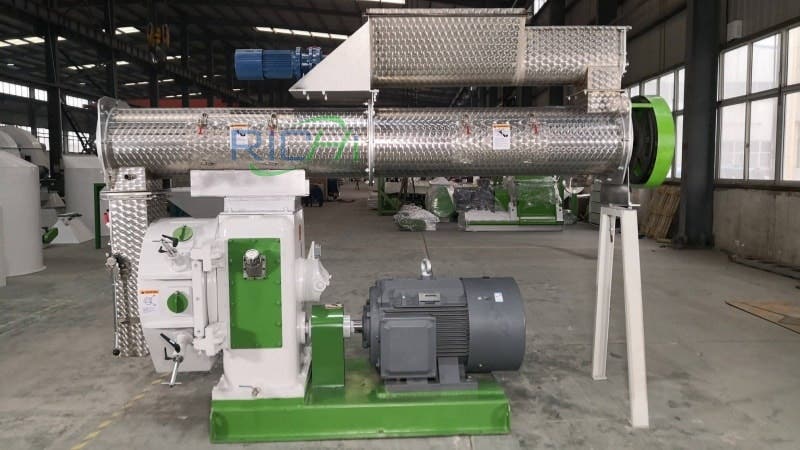
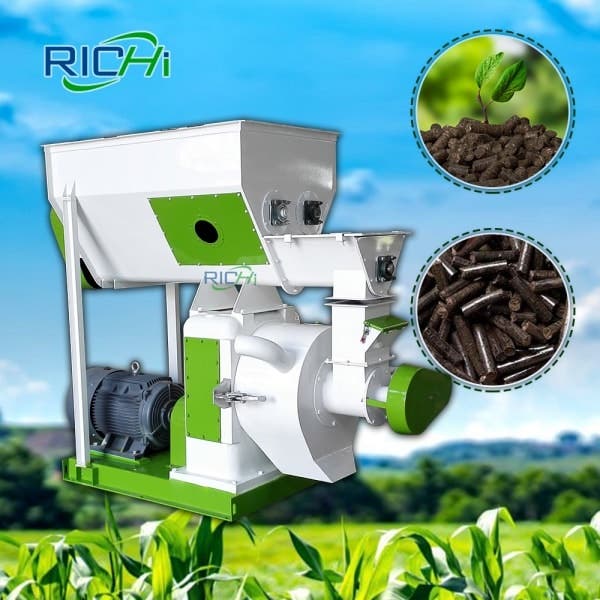
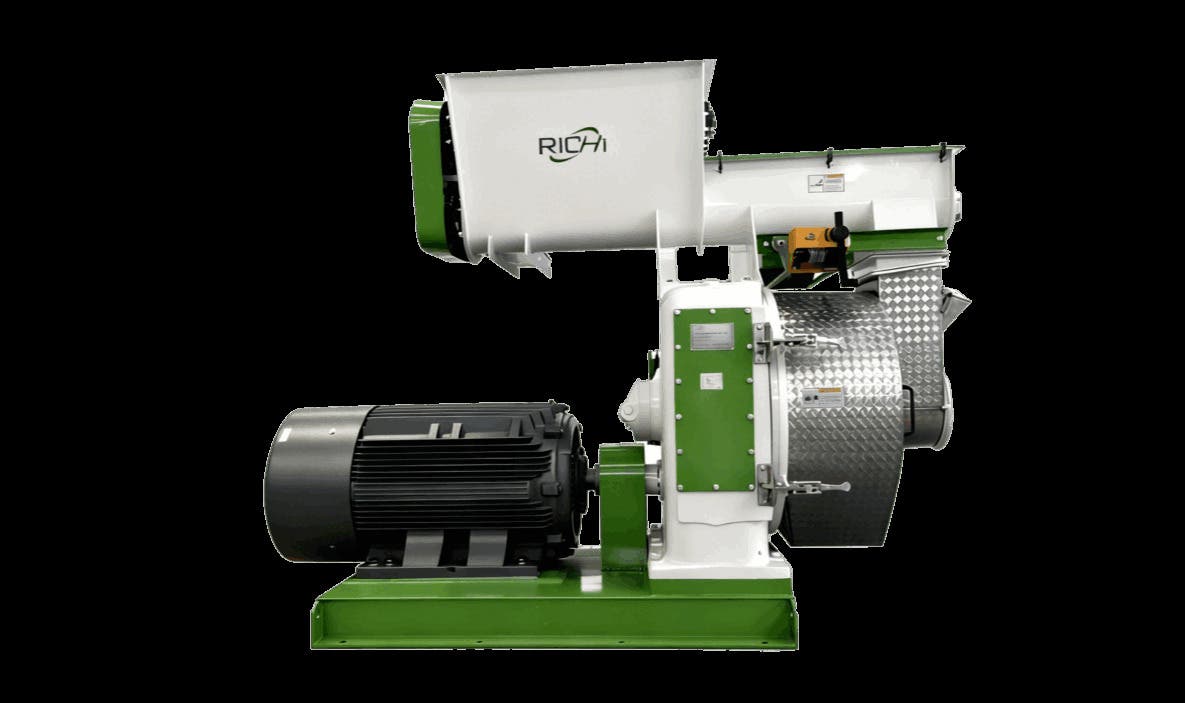
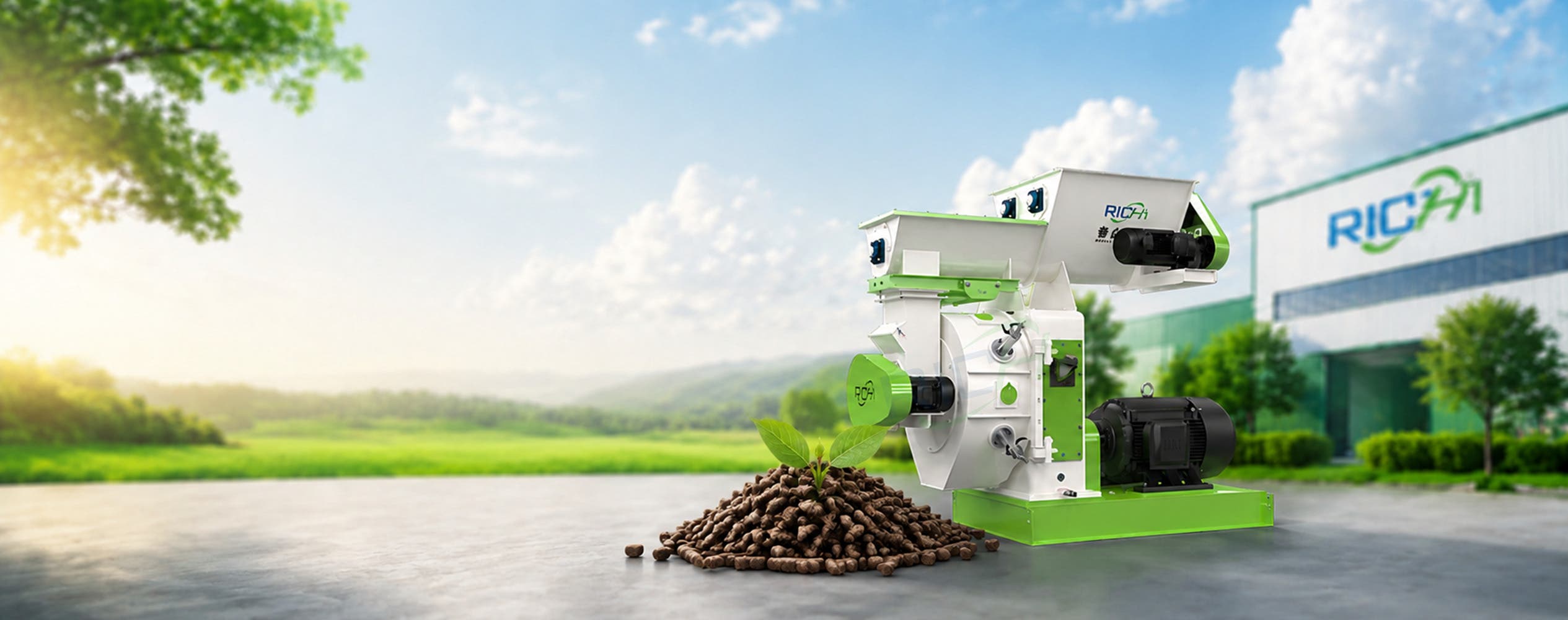
The RICHI cow dung pellet mill can be used as the core pelletizing equipment in a complete cow dung fertilizer production line. By applying mechanical compression, the machine forms prepared organic fertilizer materials into cylindrical pellets with a relatively uniform size and shape. When combined with appropriate pretreatment and post-treatment equipment, it can support both small-scale and large-scale manure recycling projects.
This article explains the complete process of converting cow dung into organic fertilizer pellets, the equipment required, important production factors, and how to design an efficient commercial fertilizer plant.
The RICHI cow dung pellet mill uses mechanical compression to force prepared material through die holes.
The basic operating sequence is:
Feeding → Compression → Extrusion → Cutting
Prepared material enters the pelletizing chamber through a controlled feeder.
Rotating rollers compress the material against the die.
The pressure forces the material through the die holes.
The material exits the die as cylindrical strands.
A cutting system then divides these strands into individual pellets.
The final pellet diameter is mainly determined by the die hole diameter.
Pelletizing is a densification process.
When prepared cow dung enters the compression area, the rollers exert pressure against the material.
As pressure increases, particles are compressed and forced into the die holes.
The material becomes a continuous cylindrical strand as it passes through the die.
The cutter divides the strand into pellets of the desired length.
The quality and capacity of pelletizing depend on the interaction of several variables:
- Raw material moisture
- Particle size
- Material composition
- Die compression ratio
- Roller condition
- Feeding rate
- Machine operating parameters
This is why the pellet mill should be considered as part of a complete production system rather than an independent machine.
Cow dung is not simply a livestock waste product. With appropriate treatment and processing, it can become a useful organic fertilizer resource. Fermentation and composting stabilize the manure, drying controls moisture, crushing and screening improve particle size, batching and mixing create a uniform formula, and pelletizing transforms the prepared material into compact fertilizer pellets.
The RICHI cow dung pellet mill is a key piece of equipment in this process. It applies mechanical compression to form prepared cow dung or blended organic fertilizer into cylindrical pellets. However, the pellet mill alone does not determine the success of a fertilizer project. Raw material preparation, moisture control, particle size, formulation, feeding, die selection, cooling, screening, and packaging all need to work together.