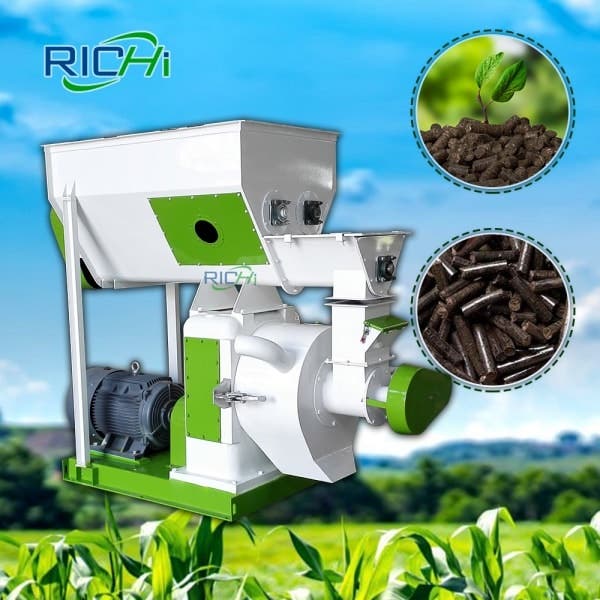
Searching for aleaf pellet mill for saleis only the beginning of the equipment selection process. Buyers also need to determine what type of leaves they have, how much material is available, whether drying is necessary, and what the final pellets will be used for.
These factors determine the appropriate pellet mill model and the supporting equipment required for a complete production system.
Start With the Leaf Source
Leaves can come from very different sources.
Farms may generate relatively clean agricultural residues, while landscaping companies and municipalities may collect leaves mixed with soil, stones, branches, and other waste.
The source determines the cleaning requirements.
A simple system may be sufficient for clean farm biomass.
More contaminated material may require screening or separation equipment before crushing.
Determine the Moisture Condition
Moisture is one of the first technical parameters to check.
Leaves that are already naturally dried may be suitable for pelletizing after crushing.
Fresh or rain-exposed leaves normally require drying.
A commercial operation should also consider seasonal changes.
Raw material moisture can vary throughout the year, so a production line designed around one ideal moisture level may not perform consistently.
A properly sized dryer can provide better control when necessary.
What Capacity Do You Need?
The correct capacity depends on available raw material and daily production targets.
A small landscaping company may only need a few hundred kilograms per hour.
A larger biomass recycling business may require one, two, or several tons per hour.
Working hours should also be considered.
If the factory operates only a few hours per day, a smaller machine may be sufficient.
If it runs continuously, higher-capacity equipment may provide better productivity.
What Equipment Should Be Installed Before the Mill?
The pellet mill needs properly prepared material.
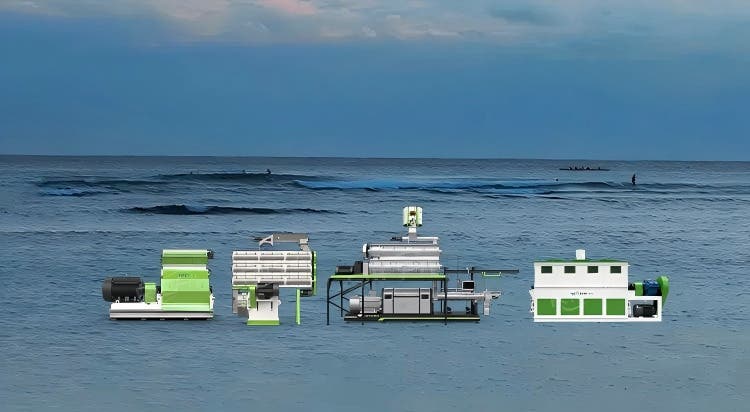
A typical system can include:
Cleaning → Crushing → Drying → Pelletizing → Cooling → Screening → Packaging
The exact arrangement depends on the raw material.
For example, dry leaves may require crushing but no large-scale drying.
Wet leaves may require a continuous dryer.
The upstream equipment should always be matched to the pellet mill's actual production capacity.
Can Leaves Be Used With Other Biomass?
Yes.
Many biomass projects use mixed feedstocks.
Leaves can potentially be combined with grass, hay, straw, sawdust, or other agricultural residues.
This can improve feedstock availability and help reduce seasonal production fluctuations.
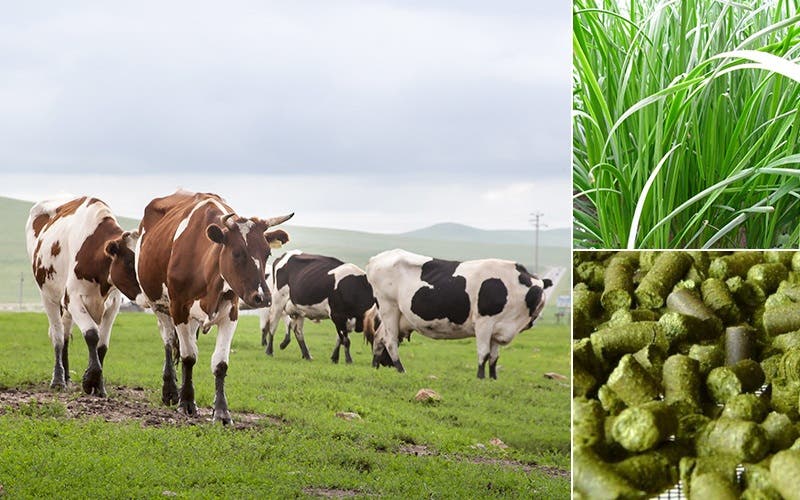
When processing forage-based materials, a grass pellet machine for sale can also be relevant to equipment planning because grass and leaves can share some preparation and pelletizing characteristics.
However, different raw materials should be tested before commercial operation.
What Pellet Size Should Be Selected?
The desired pellet diameter determines the die specification.
Different final applications may require different pellet sizes.
For example, fuel products may have different specifications from agricultural biomass products.
If multiple diameters are required, additional dies may be needed.
Pellet length can generally be adjusted through the cutter.
These requirements should be discussed before purchasing the machine.
What Should Be Included in the Quotation?
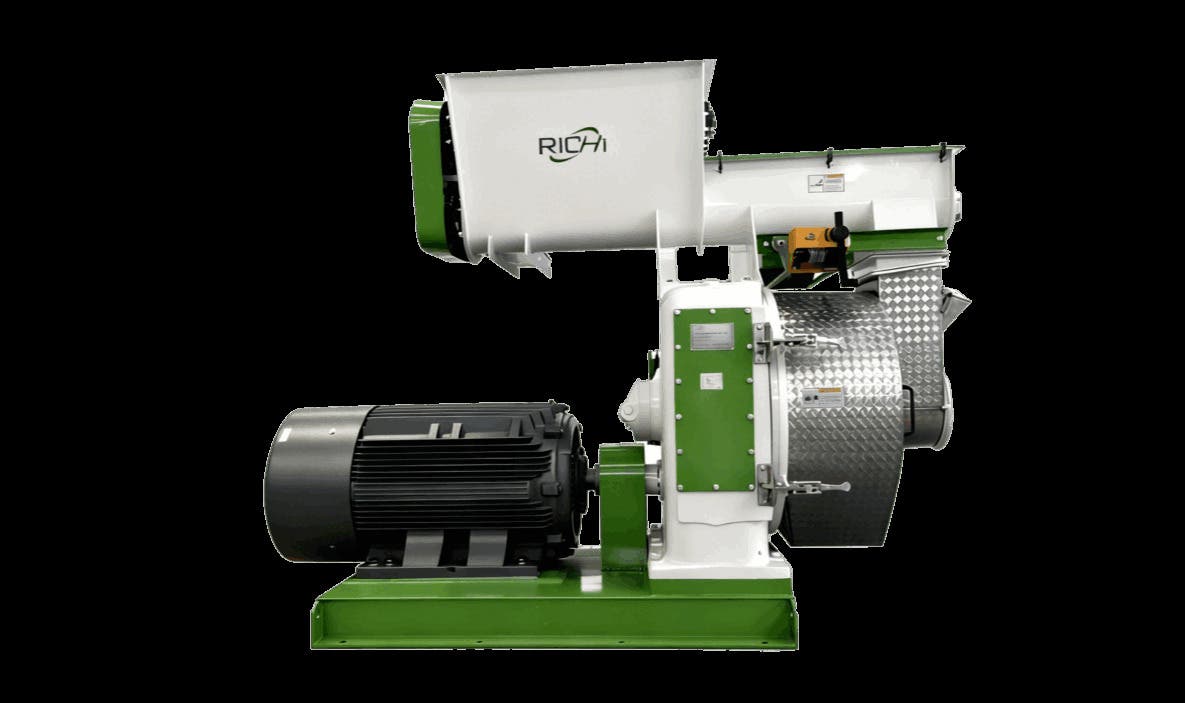
When comparing a pellet mill for sale, buyers should check:
- Production capacity
- Motor power
- Die specification
- Feeder
- Crusher
- Dryer
- Cooler
- Screener
- Conveyors
- Control system
- Packaging equipment
The supplier should also explain the raw material conditions used for capacity testing.
This is important because theoretical output can vary according to biomass characteristics.
How Can Buyers Reduce Purchasing Risk?
The best approach is to test representative raw materials before finalizing the machine.
Testing can determine whether the leaves require additional drying, crushing, or blending.
It can also provide information about pellet density, durability, production rate, and power requirements.
This information is more useful than comparing machine prices without considering material conditions.
A pelletizer selected through this process is more likely to match the actual production environment.
For additional click here to read information, buyers can review technical materials about biomass pelletizing before making a final decision.