Cassava is an important agricultural crop in many tropical and subtropical regions. During processing, however, large quantities of cassava residues, peels, chips, and other fibrous materials can be generated. Instead of leaving these materials in piles or disposing of them, businesses can process suitable cassava residues into compact pellets.
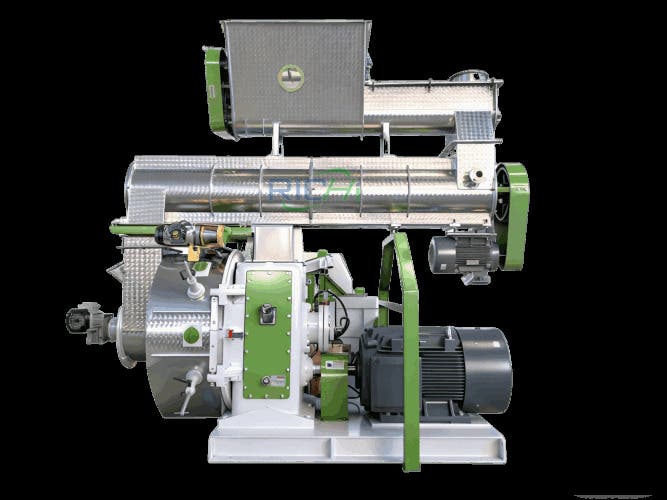
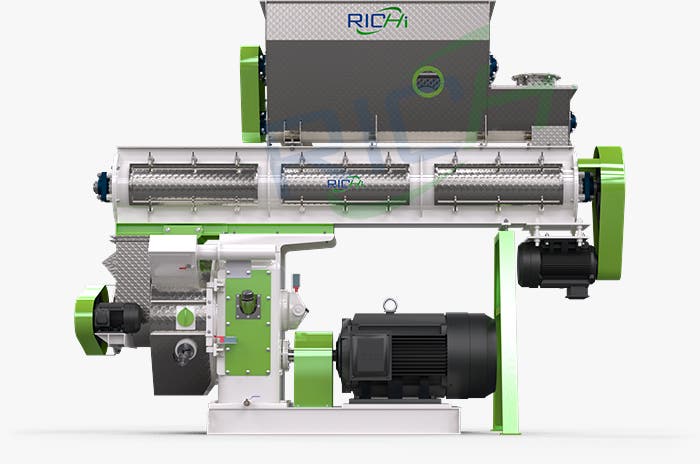
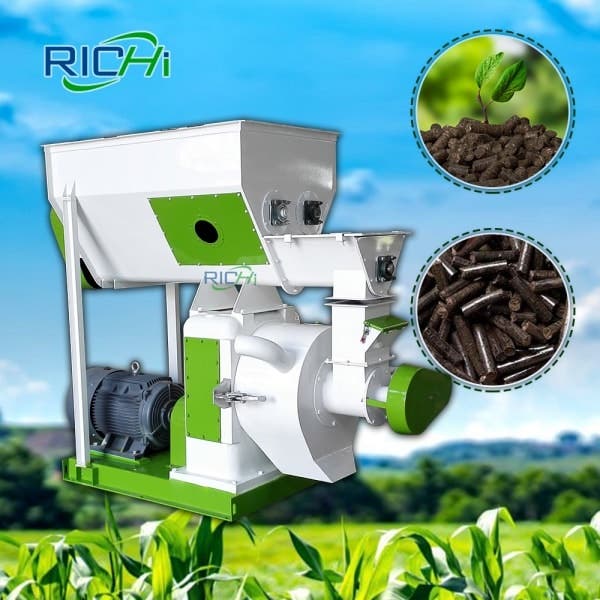
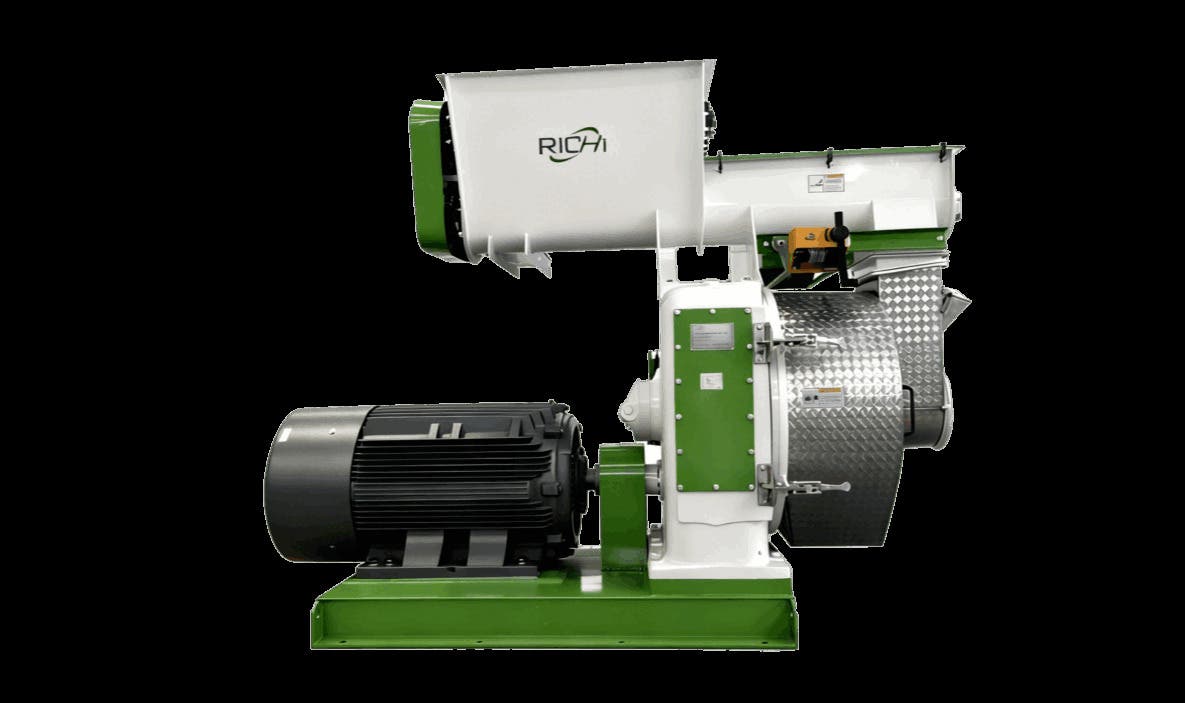
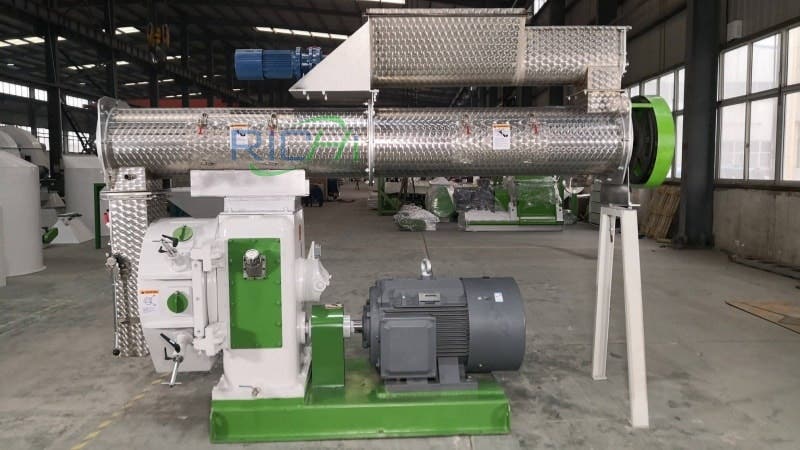
Acassava pellet machine provides the compression needed to transform prepared cassava materials into dense and easy-to-handle pellets. Depending on the raw material and formulation, the finished product can be used for biomass fuel or as an ingredient in certain feed applications.
Why Pelletize Cassava Materials?
Loose cassava residues can be difficult to transport and store efficiently. They may occupy considerable space and can be affected by moisture during storage.
Pelletizing changes the physical form of the material. The resulting pellets are more uniform in size and easier to package, transport, and feed into combustion or processing systems.
For biomass applications, densification can also make agricultural residues more convenient to handle compared with loose material.
Preparing the Raw Material
Cassava materials should be properly prepared before entering the pelletizing section.
Large pieces or fibrous residues may require size reduction first. The target particle size depends on the equipment configuration and final pellet specification.
Moisture is another important consideration. Material that is excessively wet may reduce pellet quality and make stable production more difficult. If the raw material contains too much moisture, a drying stage may be required before pelletizing.
Clean material also helps protect the machine and maintain more consistent pellet quality.
Choosing the Right Pelletizing Equipment
The appropriate machine depends on the type of cassava material, desired capacity, pellet diameter, and final application.
A small operation may require a compact machine for intermittent production, while a commercial biomass project may need continuous high-capacity equipment.
The production target should be determined before selecting the machine. Buyers should also consider whether the raw material will remain relatively consistent throughout the year.
For businesses processing multiple agricultural residues, a straw pellet mill for sale can also be relevant when the project needs equipment capable of handling other fibrous biomass materials.
From Powder or Chips to Pellets
After preparation, the material enters the feeding system and moves toward the pelletizing chamber.
Inside the machine, mechanical pressure compresses the material through die holes. The emerging material is cut into pellets according to the required length.
The pellet diameter is mainly determined by the die hole size, while the cutting system influences the final pellet length.
For biomass applications, the formulation and natural binding characteristics of the raw material can also influence pellet durability.
Fuel or Feed Applications?
The final use of cassava pellets determines the production requirements.
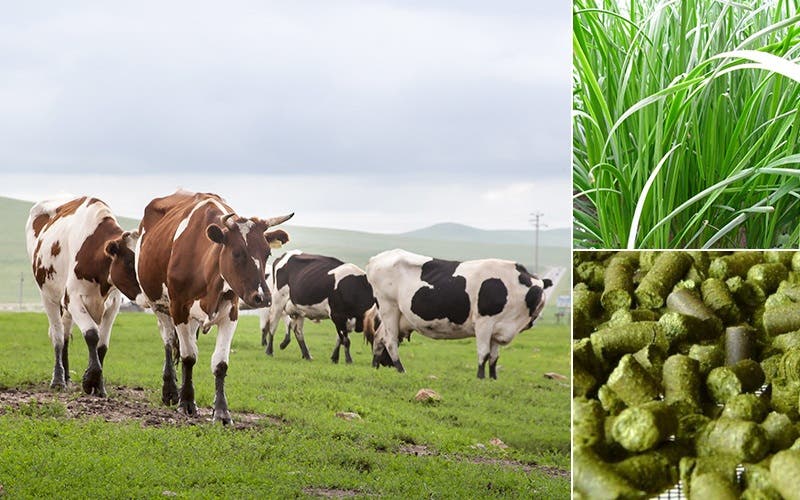
Cassava residues with appropriate characteristics can be considered for biomass fuel production. In some cases, cassava-based materials may also be incorporated into animal feed formulas, but nutritional composition, safety, and formulation must be evaluated before use.
These two applications should not be treated as identical. Fuel pellets focus mainly on combustion performance and physical durability, while feed pellets require nutritional consistency and compliance with feed requirements.
Capacity and Project Planning
A commercial cassava pellet project may operate at different production scales.
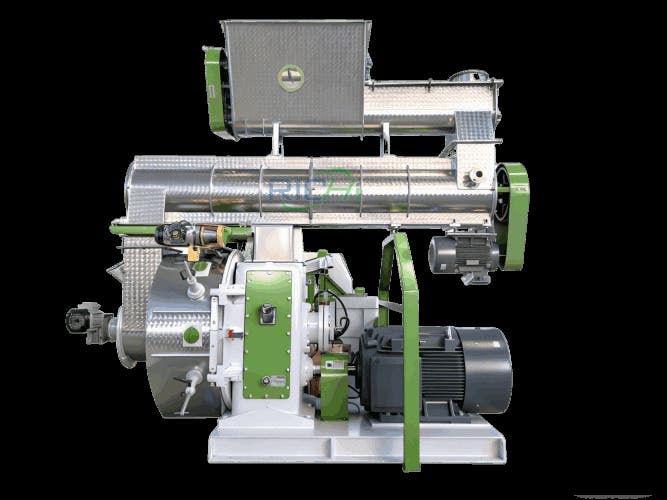
When output requirements are higher, a pellet mill machine with suitable continuous feeding and material handling can be integrated into a larger production system.
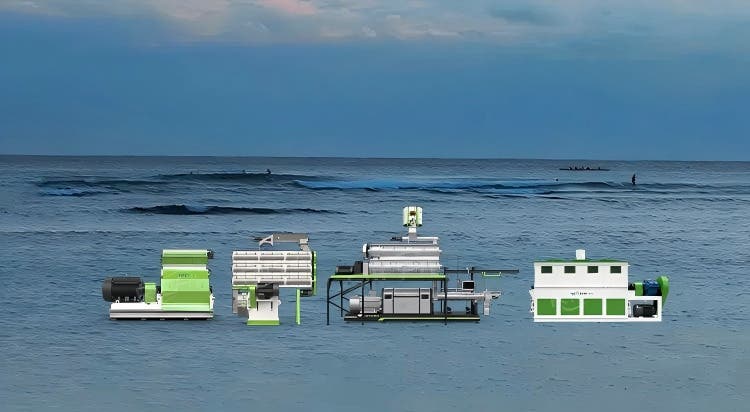
The complete line may include crushing, drying, pelletizing, cooling, screening, and packaging. Each stage should have enough capacity to prevent bottlenecks.
It is also useful to leave room for future expansion if additional cassava residues or other biomass materials may become available.