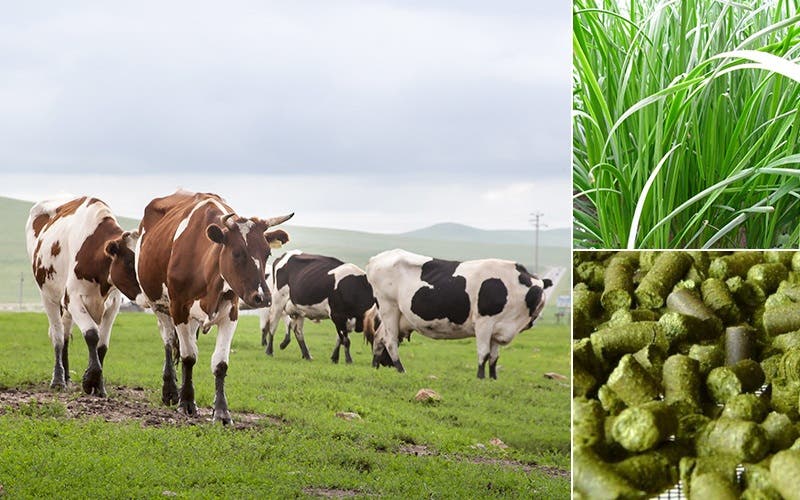
Cattle feed production plays an important role in modern livestock farming. A well-formulated feed can provide cattle with balanced nutrition, support healthy growth, improve milk production, and increase overall farm efficiency. As cattle farms and feed manufacturers expand their operations, automated feed processing has become an increasingly practical solution for producing consistent, high-quality feed pellets.
The production of cattle feed generally starts with raw material preparation. Common ingredients include corn, wheat, barley, soybean meal, bran, alfalfa, grass, straw, and other agricultural by-products. Different raw materials provide different levels of energy, protein, fiber, minerals, and other nutrients. Before processing, large materials should be cleaned and reduced to a suitable particle size to ensure efficient mixing and pelletizing.
After crushing, the ingredients are accurately proportioned according to the feed formula and sent to a mixer. Uniform mixing is essential because it ensures that every feed pellet contains a consistent distribution of nutrients. Depending on the formulation, liquid ingredients such as molasses or oil can also be added during the mixing process.
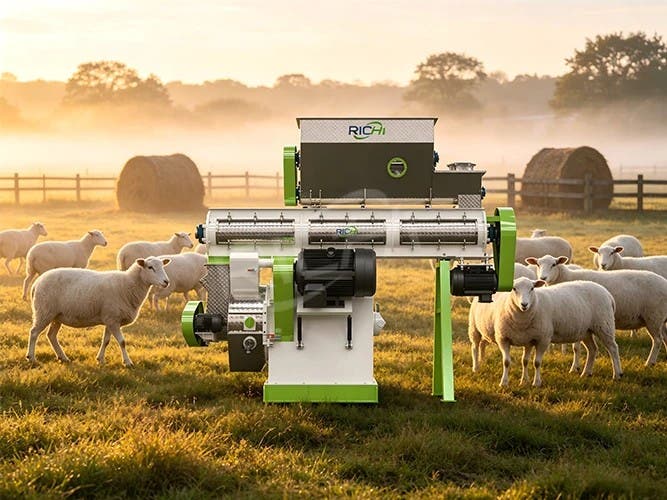
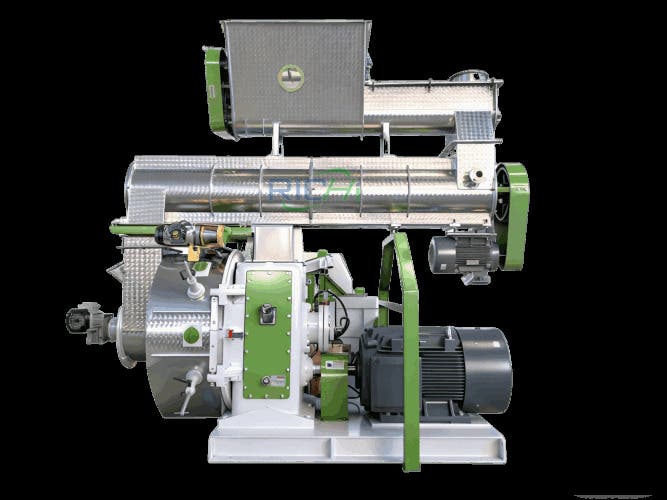
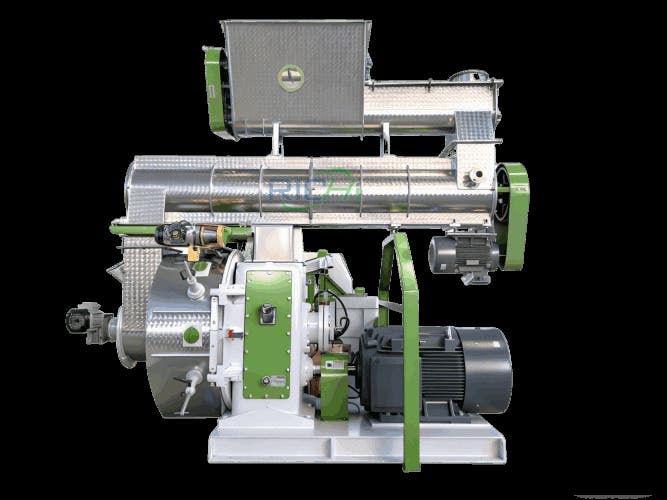
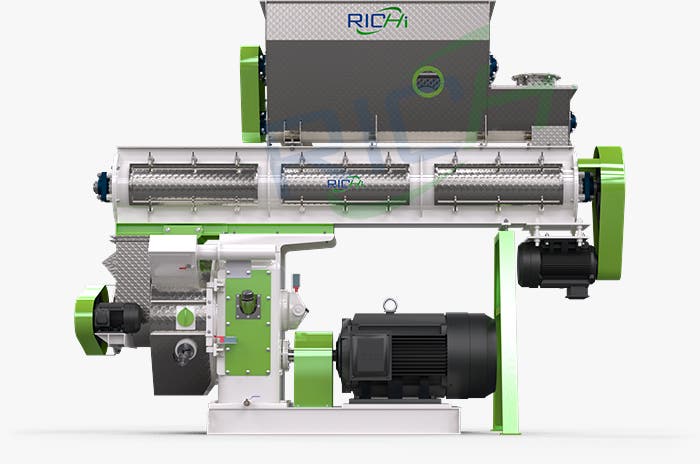
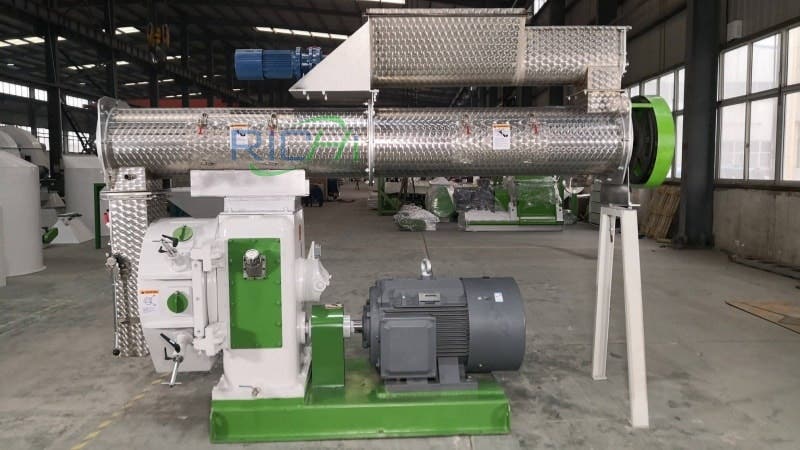
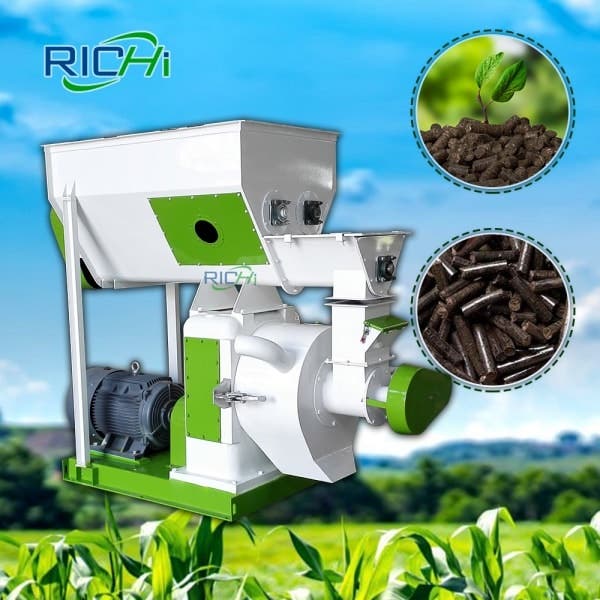
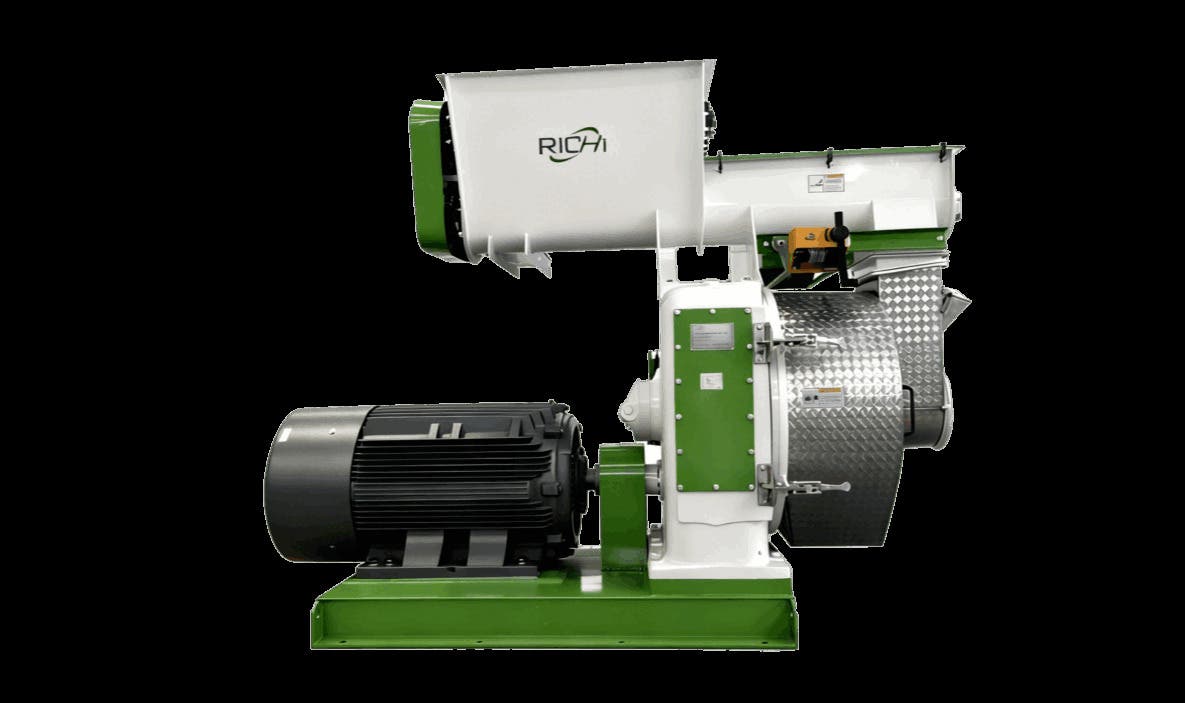
The mixed feed is then processed by a cattle feed pellet machine. During pelletizing, the material is compressed through a die under pressure, forming dense and uniform pellets. Pellet feed is easier to handle, store, transport, and distribute than loose feed. It can also help reduce ingredient separation and feed waste during feeding.
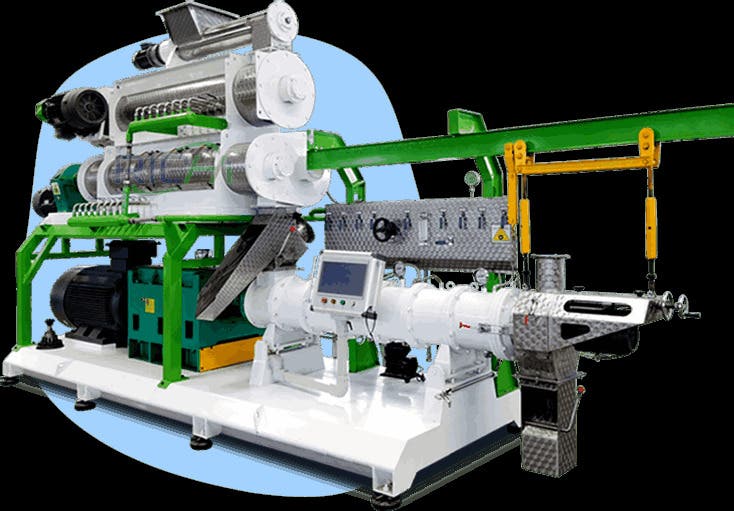
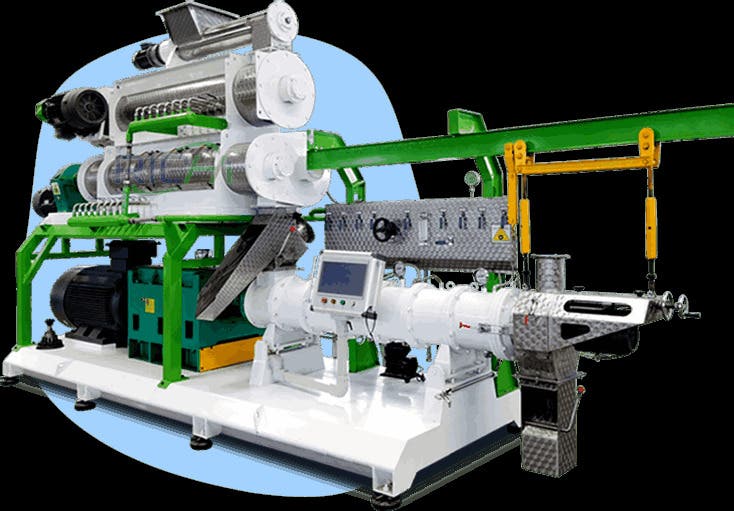
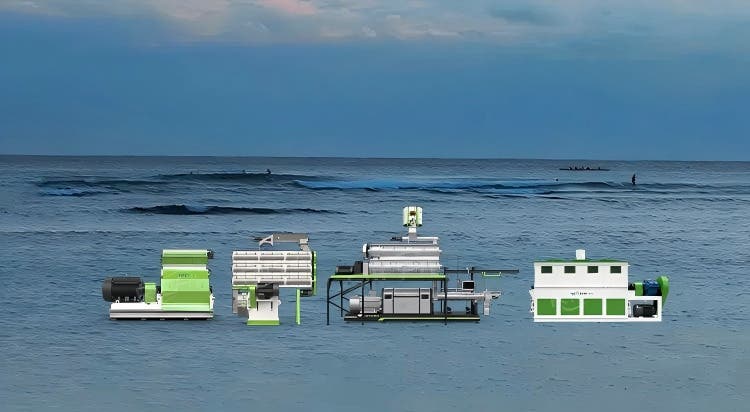
For medium- and large-scale operations, an automatic cattle feed plant can integrate feeding, crushing, batching, mixing, pelletizing, cooling, screening, and packing into one coordinated production system. Automation can improve production efficiency, reduce manual operations, and provide more accurate control over material flow and feed formulation. The production capacity and equipment configuration can be customized according to the customer's raw materials, feed formulas, pellet sizes, and expected output.
After pelletizing, hot feed pellets need to be cooled before screening and packaging. The cooling process reduces pellet temperature and moisture, helping improve storage stability. Screening removes fines and unqualified pellets, while the finished product can be packed into bags or transported directly to bulk storage.
A properly designed cattle feed pellet line can therefore provide an efficient way to transform different agricultural ingredients into nutritious and convenient feed. Whether for a livestock farm or a commercial feed factory, selecting suitable equipment and designing the right processing flow are essential for achieving stable production, high pellet quality, and long-term operating efficiency.
(Learn more: pelletisingmachine.com/cattle-feed-production-line/)