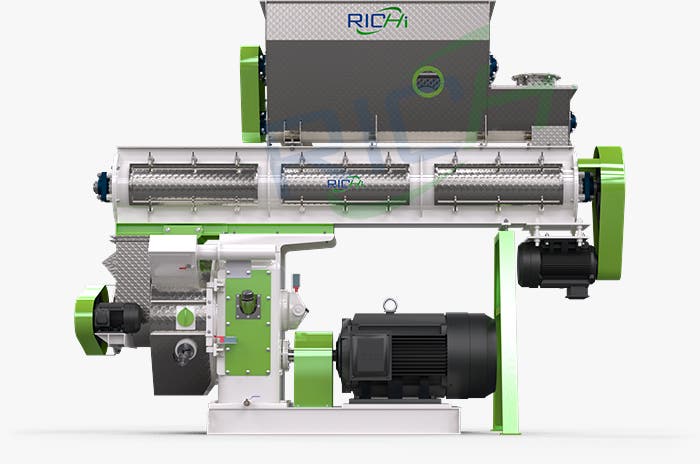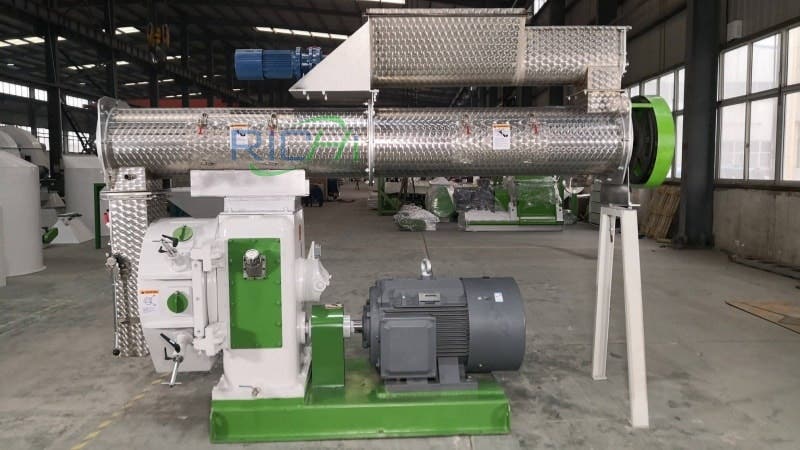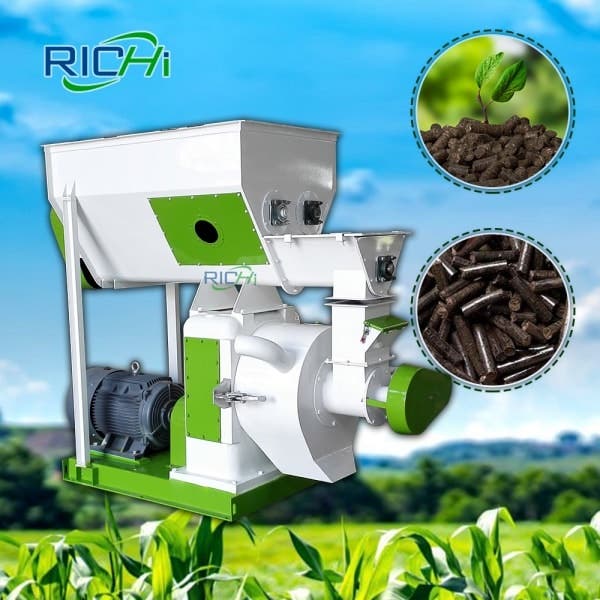
Agricultural residues are often treated as low-value materials after harvesting. Straw, stalks, husks, and other dry plant residues can accumulate quickly, creating storage and disposal problems for farms. With suitable processing equipment, however, these materials can become compact pellets for fuel, bedding, or selected feed applications.
For farms and biomass processors considering a straw pellet mill for sale, the most important question is not simply how powerful the machine is. The better approach is to evaluate the raw material, required output, pellet application, and complete processing flow together.
Why Straw Requires Special Attention
Compared with wood sawdust, straw usually contains longer fibers and a different structure. Corn straw, wheat straw, rice straw, and other agricultural residues may also have different moisture levels and ash characteristics.
Before pelletizing, straw normally needs to be cleaned and reduced to a suitable particle size. A hammer mill or similar size-reduction equipment can help prepare oversized material for the pelletizing stage.
The condition of the raw material directly affects production stability. Very wet material may require drying, while excessively dry material can sometimes create additional handling and forming challenges.
From Loose Residue to Dense Pellets
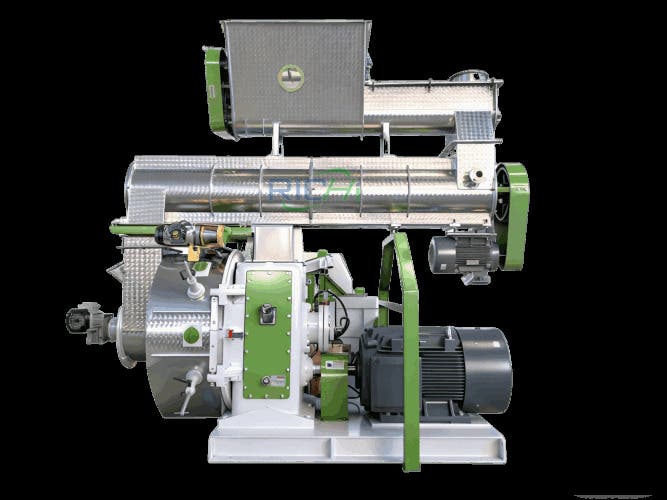
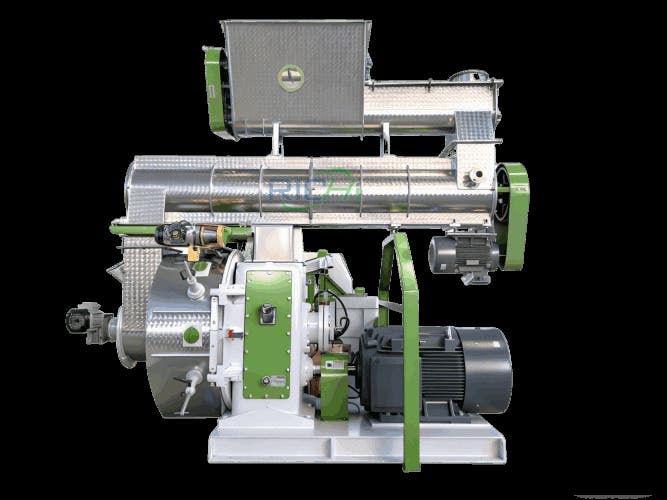
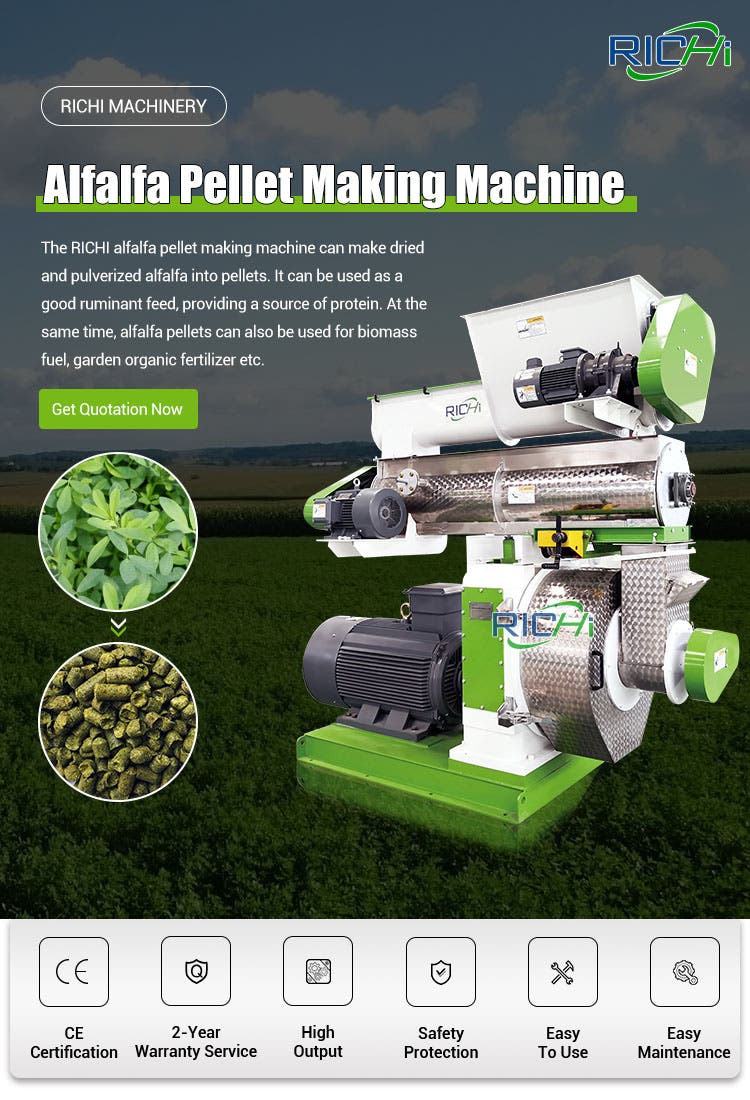
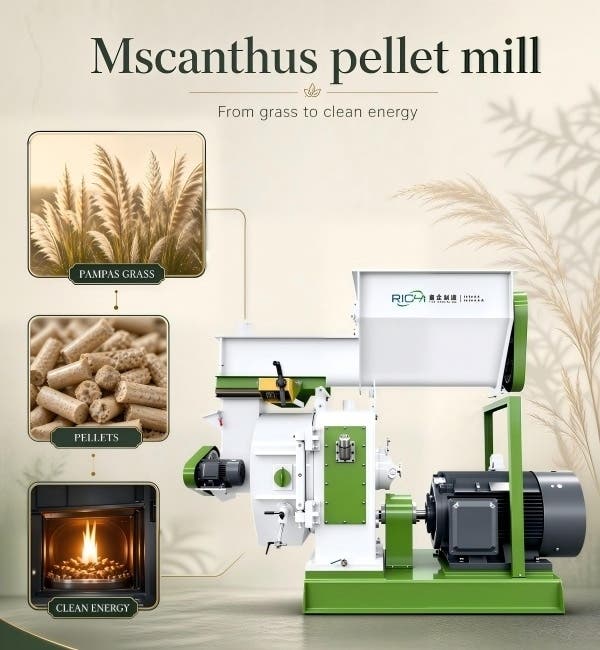
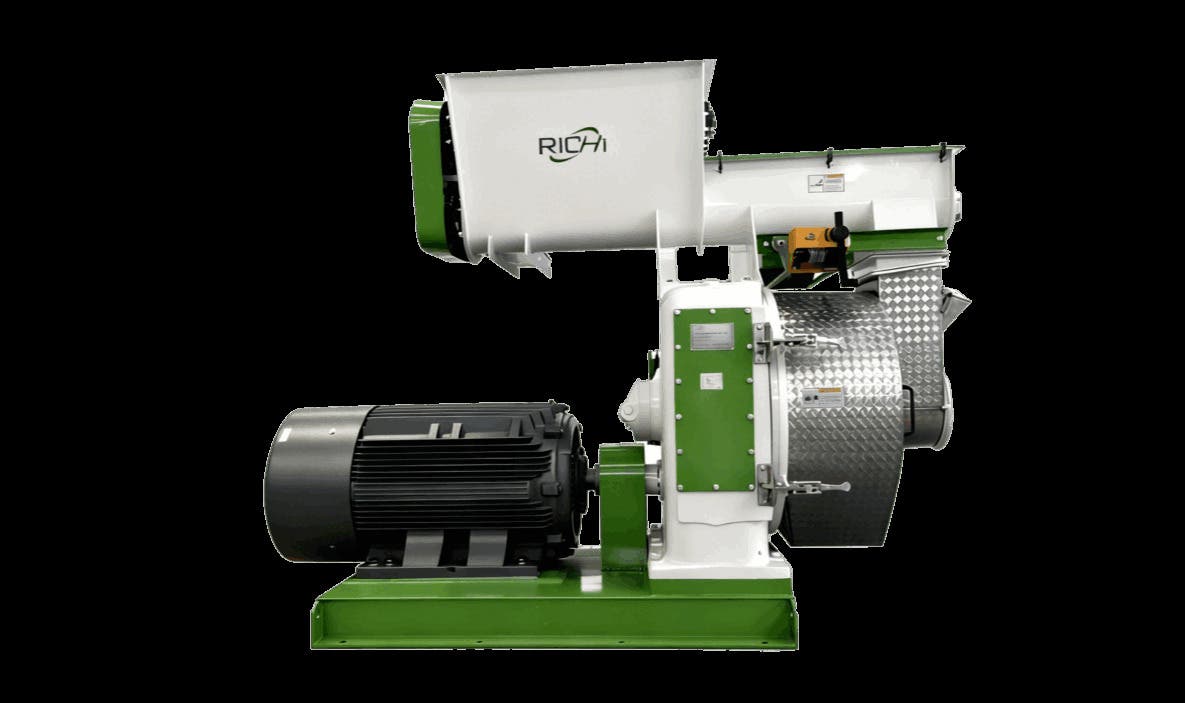
Pelletizing compresses prepared biomass through a die under pressure. The process transforms bulky straw into smaller, denser cylindrical particles that are easier to transport, store, and handle.
The required pellet diameter depends on the final application. Fuel pellets may have different specifications from bedding or feed pellets, so the die should be selected according to the intended product.
The same principle applies when evaluating a rice husk pellet machine for sale. Rice husk has its own characteristics, including relatively high ash and silica content, so equipment selection should account for the material rather than relying only on nominal capacity.
Capacity Should Match the Raw Material Supply
Capacity is another major consideration.
A farm producing several hundred kilograms of straw per day does not necessarily benefit from an oversized industrial system. Conversely, a commercial biomass processor needs equipment capable of maintaining stable production for extended operating periods.
Actual output can be affected by moisture, particle size, material composition, pellet diameter, and operating conditions. Therefore, capacity should be discussed using the customer's actual raw material rather than relying exclusively on a theoretical machine rating.
A Complete Production Flow
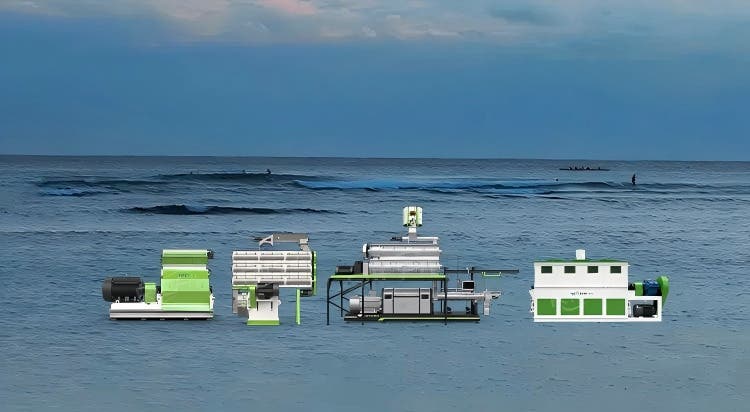
A typical straw pellet project may include raw material collection, cleaning, crushing, drying when necessary, pelletizing, cooling, screening, and packaging.
For larger operations, conveyors and storage bins can connect these stages and reduce manual material handling.
Cooling is particularly important after pelletizing because newly formed pellets may retain considerable heat. Screening can then remove fines and separate irregular particles before the finished product enters storage.
This integrated approach can make the production process easier to operate and maintain.
Fuel, Bedding, or Feed?
The final application should be determined before selecting the equipment.
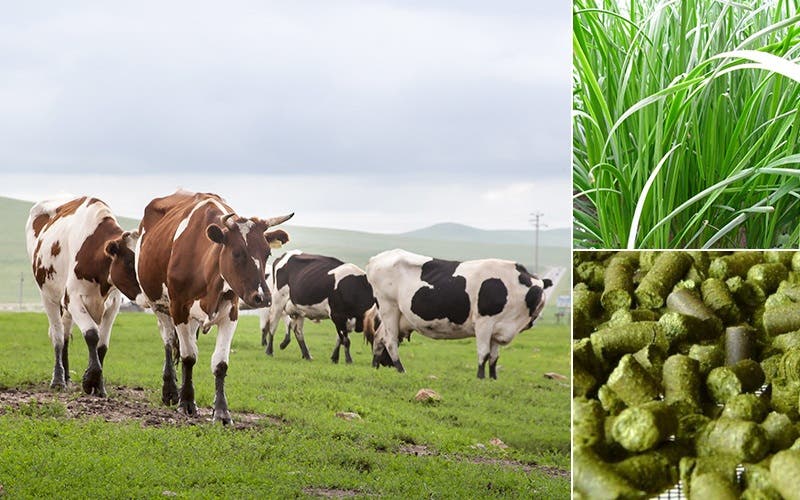
Straw pellets can be considered for biomass fuel and animal bedding, while carefully formulated agricultural-residue pellets may also be used for livestock feed where the material and formulation are appropriate.
Each application places different requirements on pellet quality, size, durability, and cleanliness. Defining the end product first makes machine selection much more practical.
For equipment specifications and related processing information, pellet mill machine options can be compared according to raw material and production requirements.
A biomass pellet project should ultimately be designed around the entire process rather than one machine. When raw material preparation, moisture control, capacity, pellet specifications, and downstream handling are considered together, agricultural residues can be converted from a disposal challenge into a more manageable and potentially valuable product. Readers can learn more here when comparing different biomass processing solutions.