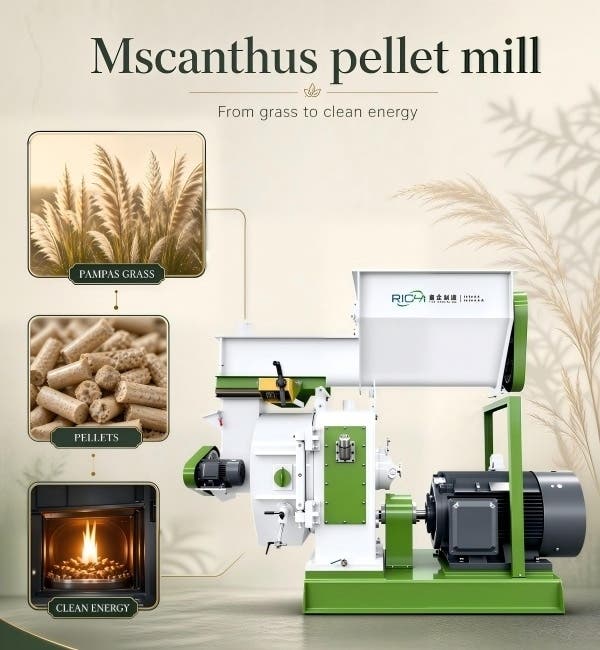
For farmers growing miscanthus, harvesting is only the beginning of biomass utilization. Loose grass contains valuable fiber but requires significant space during storage and transportation. Converting it into pellets can provide a more convenient product and potentially create additional value from agricultural biomass.
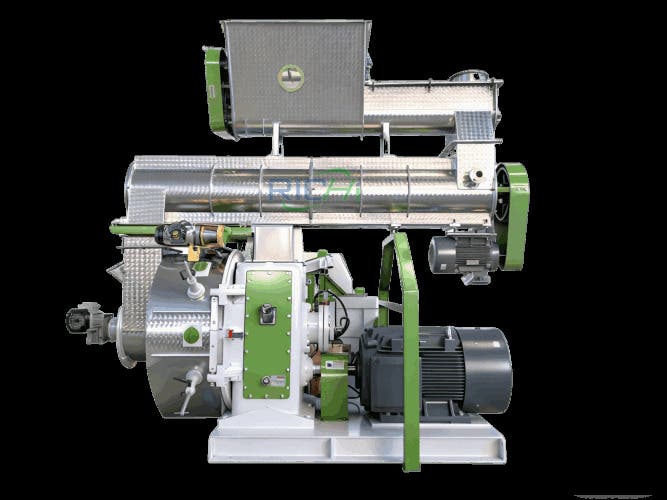
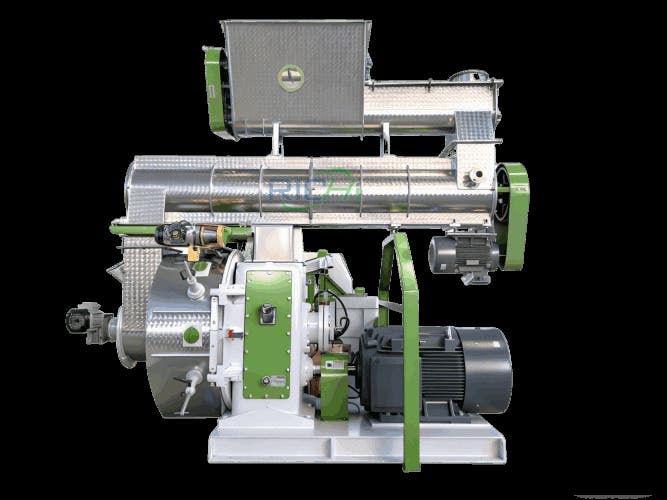
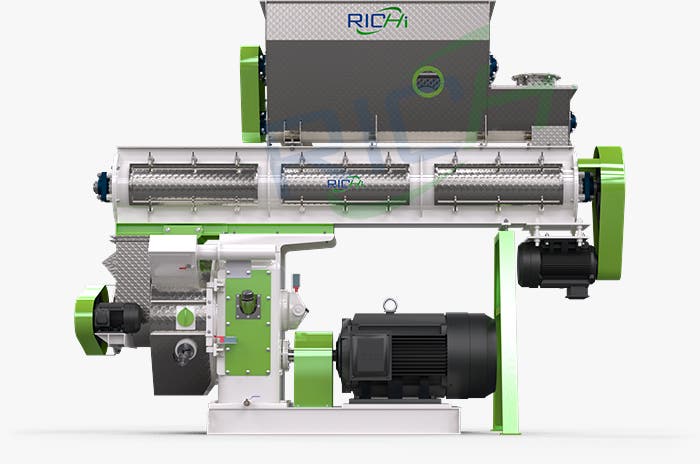
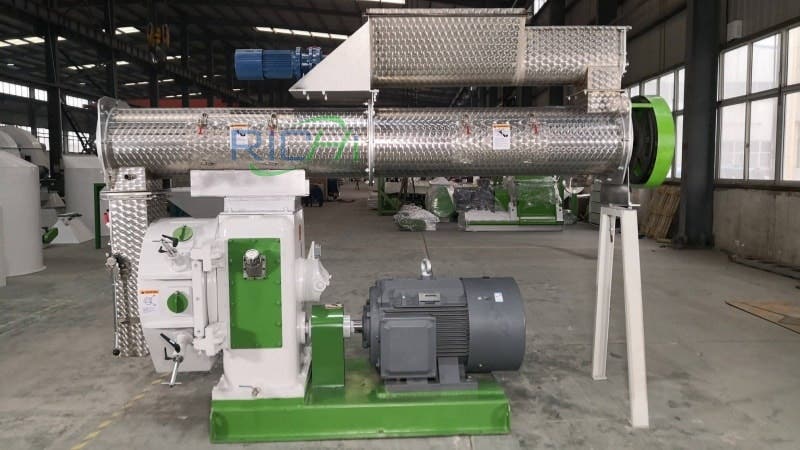
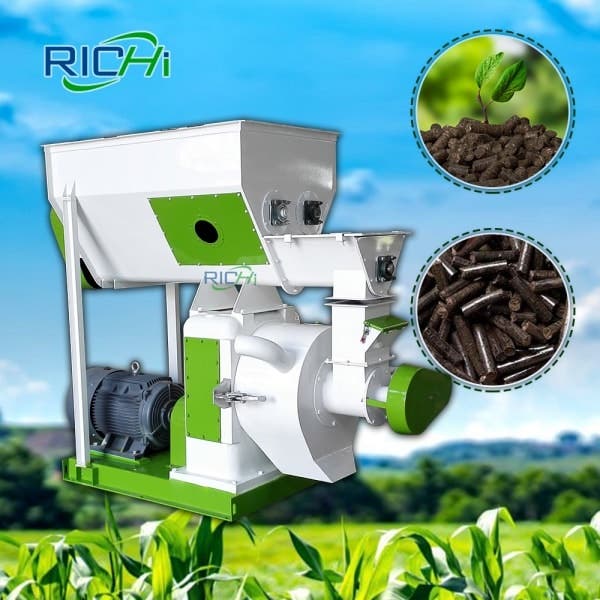
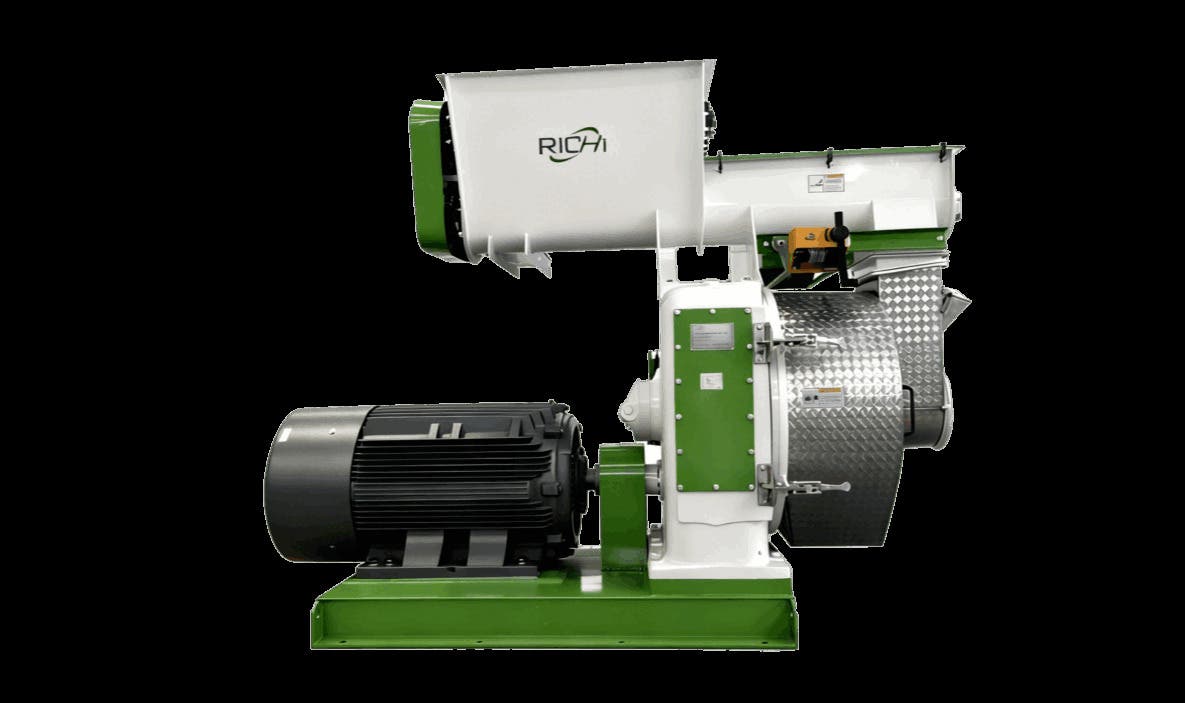
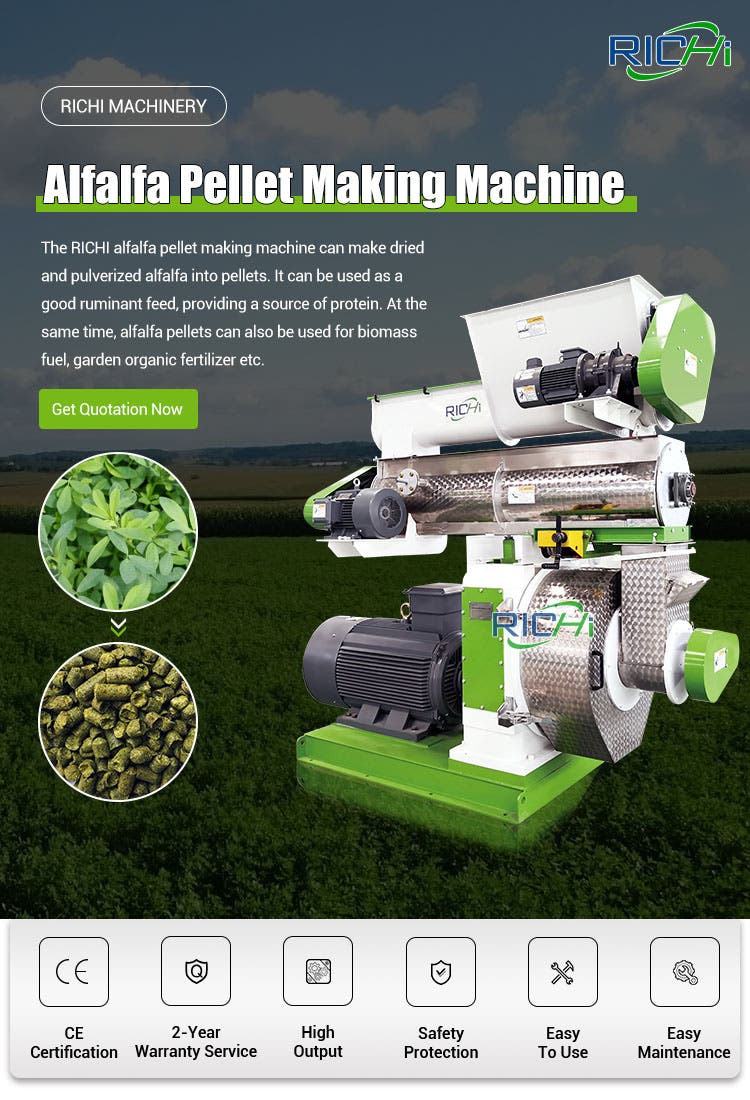
A Miscanthus Pellet Making Machine is designed to compress prepared miscanthus into uniform cylindrical particles. Depending on the raw material and final application, the pellets may be used as biomass fuel or bedding material.
Why Process Miscanthus Into Pellets?
Loose miscanthus has low bulk density. Large volumes may therefore be required for transportation and storage.
Pelletizing increases bulk density and creates a standardized form.
This can simplify:
- Storage
- Transportation
- Feeding
- Packaging
- Automated handling
For biomass businesses, the compact product can also be more convenient for distribution.
What Preparation Is Required?
Miscanthus usually needs appropriate preparation before pelletizing.
The process can begin with drying if the material contains excessive moisture. Long grass stems are then reduced through crushing.
A suitable particle size allows the material to move more consistently through the feeding and compression stages.
A typical production process is:
Drying → Crushing → Conditioning → Pelletizing → Cooling → Screening → Packaging
The exact configuration depends on the raw material.
Is Miscanthus Similar to Hay?
Both materials are fibrous grasses, but they should not automatically be processed under identical conditions.
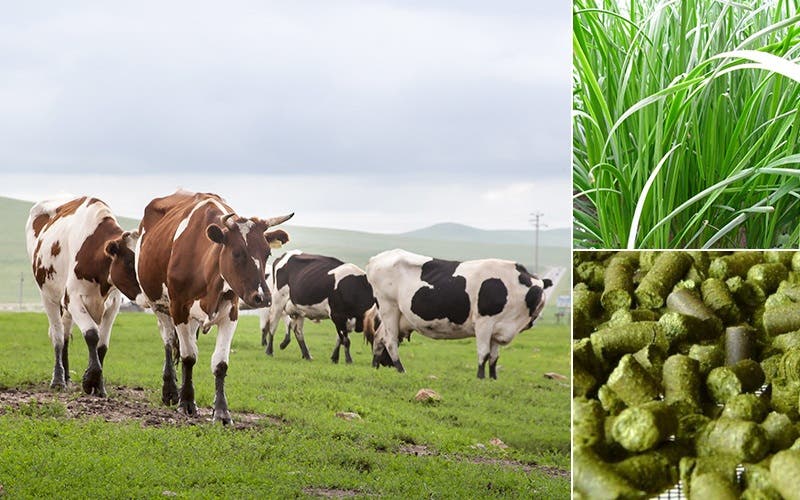
Hay may be produced primarily for animal feed, while miscanthus pellets are often considered for fuel or bedding applications.
For feed-related projects, horse feed pellet machine for alfalfa represents a different application because the production objective includes feed quality rather than biomass fuel characteristics.
This distinction is important when selecting equipment. The same pellet diameter does not necessarily mean the same production configuration.
What Determines Pellet Quality?
Moisture is one of the key factors.
Material that is too wet may create unstable compression, while excessively dry material may not bind effectively.
Particle size is also important. Long fibers can cause feeding problems if they are not properly reduced.
The die specification determines pellet diameter, while the cutting system controls pellet length.
Cooling after pelletizing helps reduce product temperature and stabilize the pellets before screening.
How Large Should the Machine Be?
Production capacity should correspond to the available miscanthus supply.
If a farm harvests only seasonally, it may not need a large continuous-production system.
A commercial biomass processor handling large quantities throughout the year may require a larger line with automated feeding, drying, conveying, and packaging.
The complete system should be balanced so that each section can support the required throughput.
Can the Machine Process Other Materials?
Many biomass pelletizing systems can potentially process more than one type of agricultural residue.
However, different materials have different moisture and fiber characteristics.
Before switching between raw materials, operators should determine whether changes in crushing, moisture conditioning, or die specifications are necessary.
Material testing can reduce the risk of unstable operation.
A pellet making machine can become the core of a customized biomass processing system when the auxiliary equipment is correctly selected.
For more useful site information, buyers can compare different biomass processing routes and equipment configurations.
Conclusion
Miscanthus pellet production offers farmers and biomass companies an opportunity to convert bulky grass into a compact and manageable product.
The machine itself is only one part of the process. Drying, crushing, feeding, compression, cooling, and screening all contribute to final product quality.
By testing the miscanthus first and matching equipment capacity to the actual raw material supply, producers can develop a more reliable pellet production system for fuel, bedding, or other suitable applications.