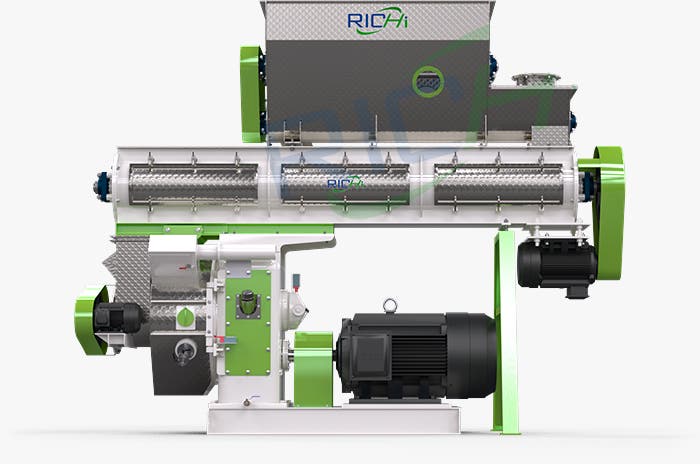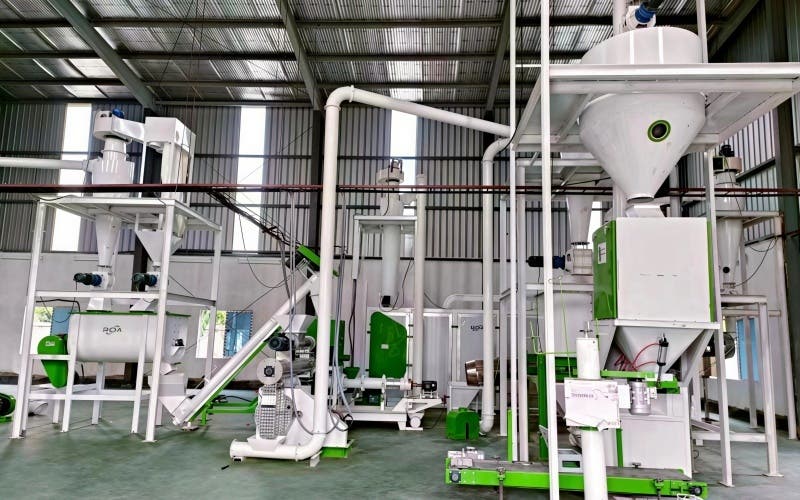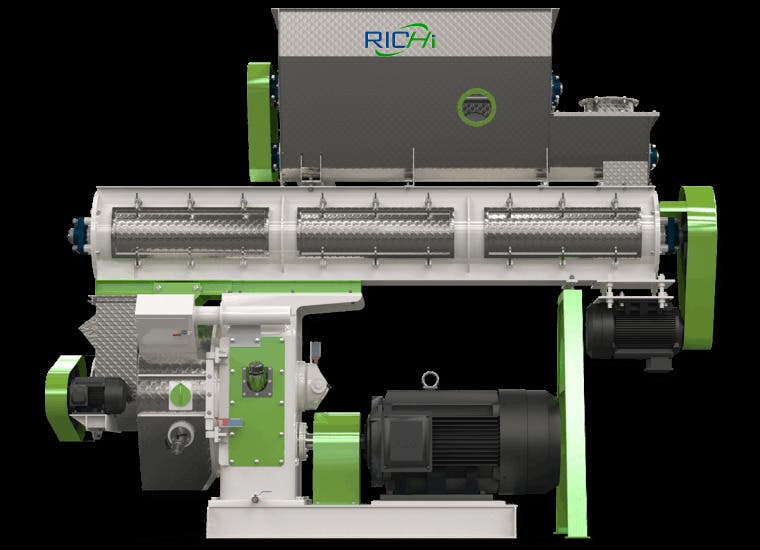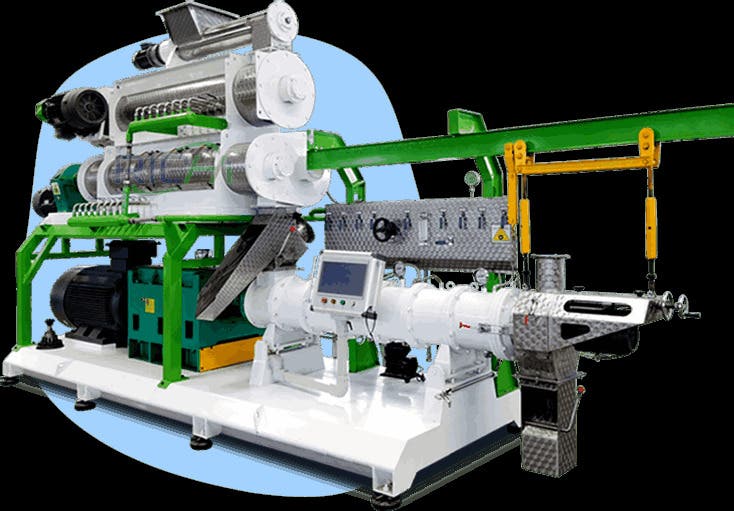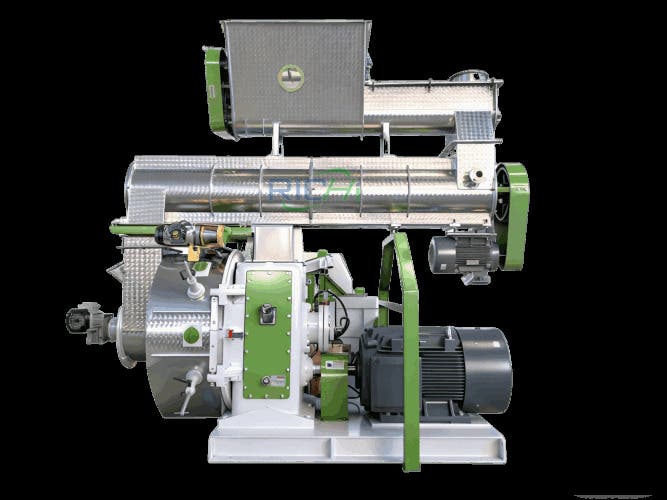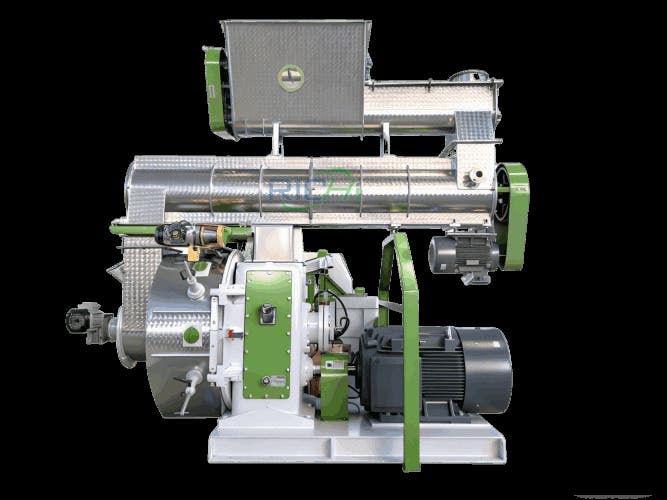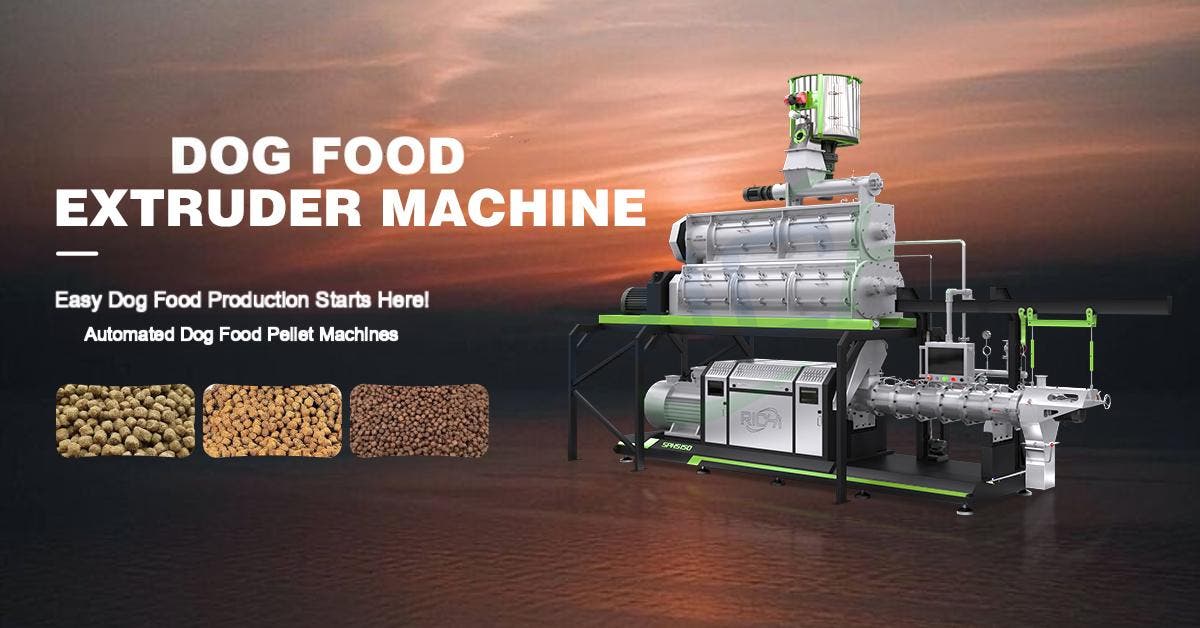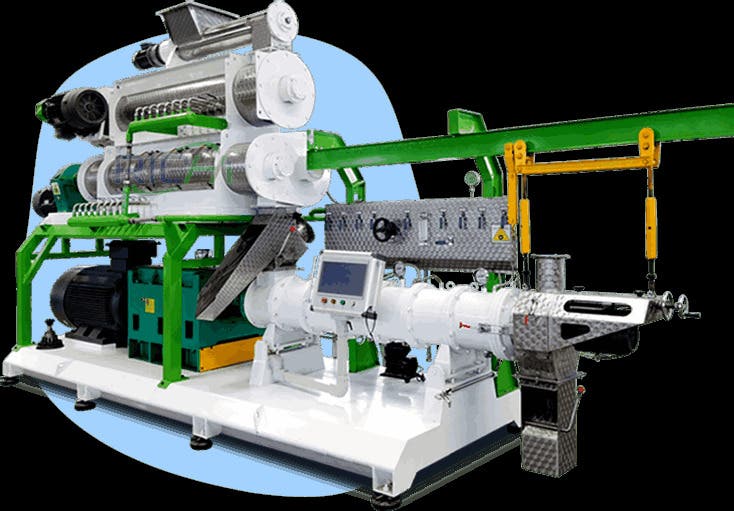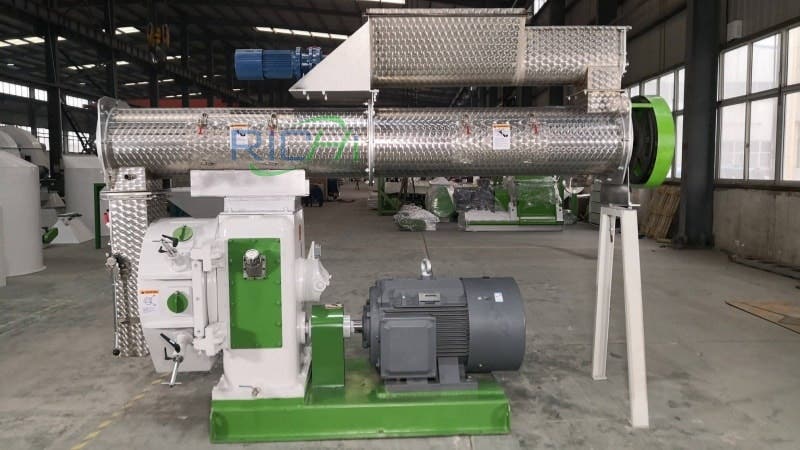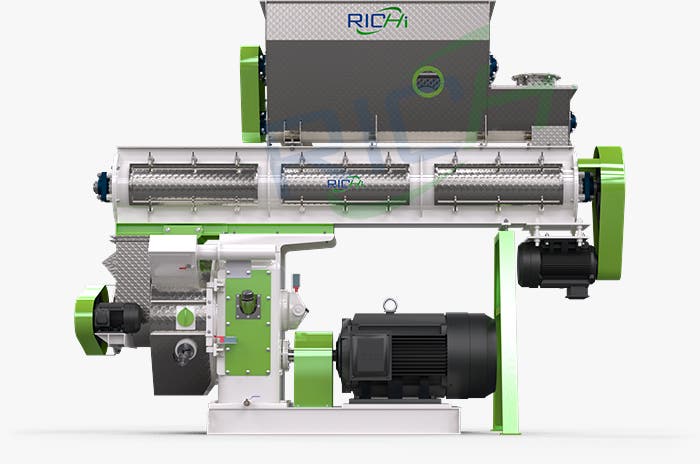
The rabbit pellet making machine priceis influenced by several factors, including production capacity, motor power, pellet size, feed formula, and the level of automation required. A small farm producing feed for its own rabbits may need only a compact pellet mill, while a commercial feed producer may require a complete processing line.
Therefore, buyers should look beyond the machine price itself and consider the total investment required to prepare, pelletize, cool, and store the finished feed.
What Determines the Machine Cost?
Capacity is usually one of the first factors affecting the quotation. A machine designed for a small farm has a different structure and power configuration from one designed for continuous commercial production.
The feed formula also matters. Rabbit feed may contain fibrous materials such as alfalfa and grass together with grains, bran, soybean meal, and mineral additives. These ingredients need to be properly prepared and mixed before entering the pellet mill.
If the raw materials are already ground and mixed, the customer may only need the pelletizing section. If they are purchased in their original form, additional grinding, weighing, and mixing equipment may be required.
Standalone Machine or Complete Line?
A standalone pellet mill is often suitable for farms that already have the necessary feed preparation equipment. It can reduce the initial investment and simplify the project.
A complete production system requires a larger budget but can provide a more organized workflow. Depending on the scale, the line may include a hammer mill, feed mixer, pellet mill, cooler, screener, conveyors, and packing machine.
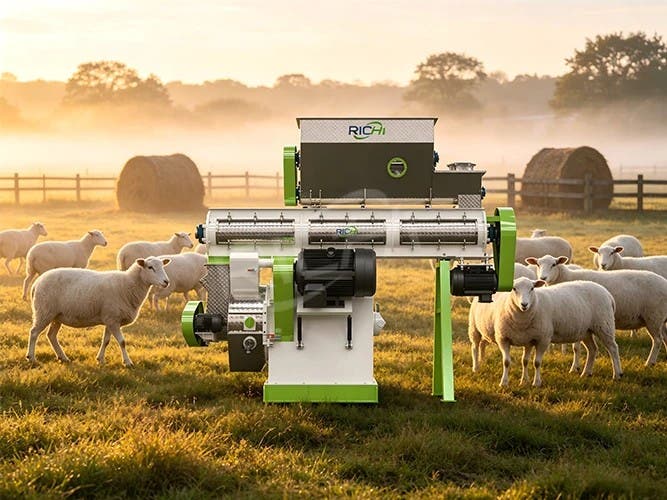
For customers comparing different livestock feed projects, a 5T/H sheep feed pellet machinecan also be considered when evaluating equipment for multiple animal feed formulas. The machine configuration should ultimately be based on the feed characteristics and required output.
Pellet Size and Feed Quality
The desired pellet diameter can also influence equipment selection. Rabbit feed generally requires a relatively small pellet compared with some larger livestock feed applications. The appropriate die should therefore be confirmed before purchasing.
Pellet quality depends not only on the pellet mill. Grinding particle size, mixing uniformity, moisture, formulation, and cooling all affect the final product.
A properly configured pellet maker machine should work together with the upstream preparation system. If the feed mixture is poorly prepared, even a high-quality pellet mill may not produce consistent results.
Calculate the Total Operating Cost
Purchase price is only the beginning of the investment. Buyers should also consider electricity consumption, labor, maintenance, spare parts, die and roller replacement, and raw material preparation.
For a small farm, a simpler system may provide better economics because it requires less equipment and lower labor input. A larger commercial operation may benefit from automation because higher output can justify additional equipment.
It is also worth considering future demand. If the farm plans to increase its rabbit population or sell feed to nearby farms, purchasing equipment with some additional capacity may be more economical than replacing the machine later.
How to Request a Reliable Quotation
Before asking for a final quotation, buyers should provide the supplier with the feed formula, raw material condition, expected output, pellet diameter, working hours, and whether the feed will be used internally or sold commercially.
The supplier can then determine which machines are actually necessary and prepare a more realistic production plan.
A good purchasing decision should compare total project cost, production capacity, feed quality, and long-term operating requirements rather than focusing only on the initial equipment price. Buyers can check this site out for additional information about feed pelletizing equipment and project configurations.