Albany, NY|Local Classified|For Sale|

ow Can Dairy Farms Turn Cow Waste Into Useful Fertilizer Products?
Large dairy farms and cattle operations can generate substantial quantities of manure every day. If poorly managed, this material can create storage, odor, and environmental challenges. However, properly processed cow dung can become a valuable organic fertilizer resource.
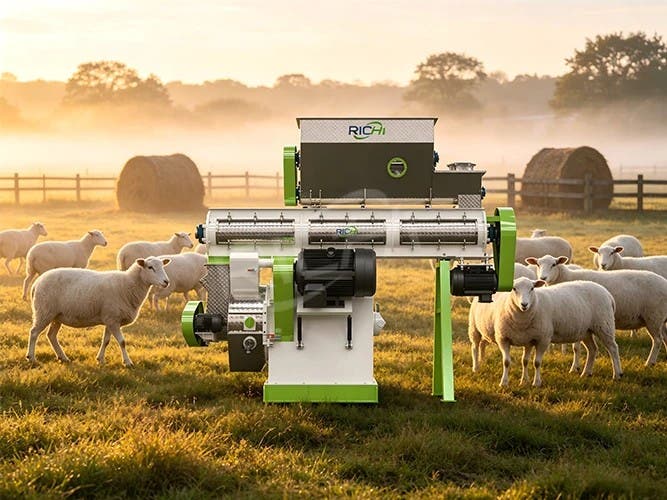
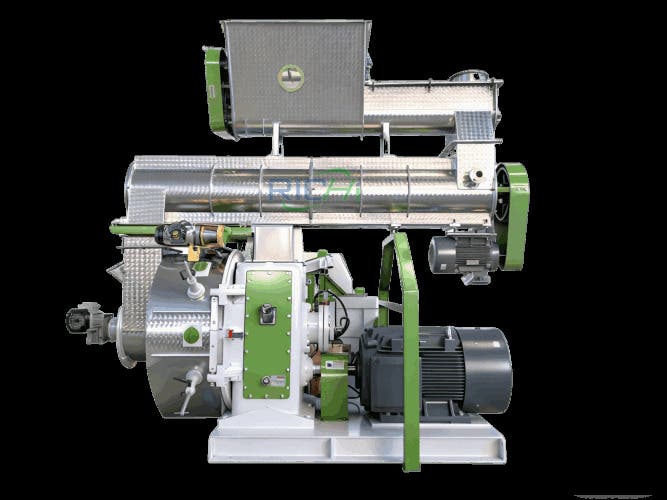
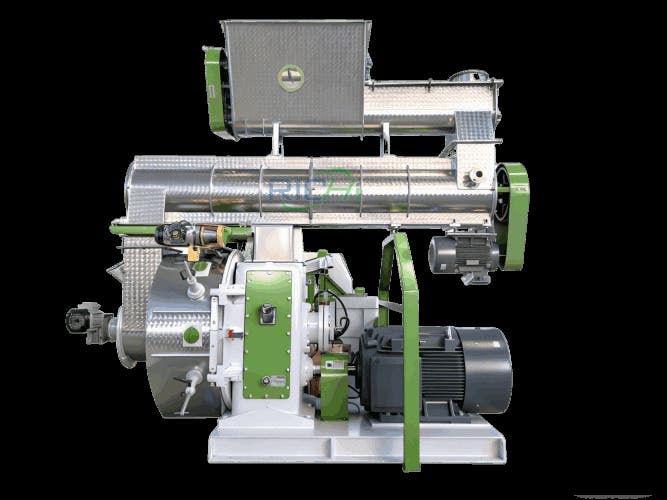
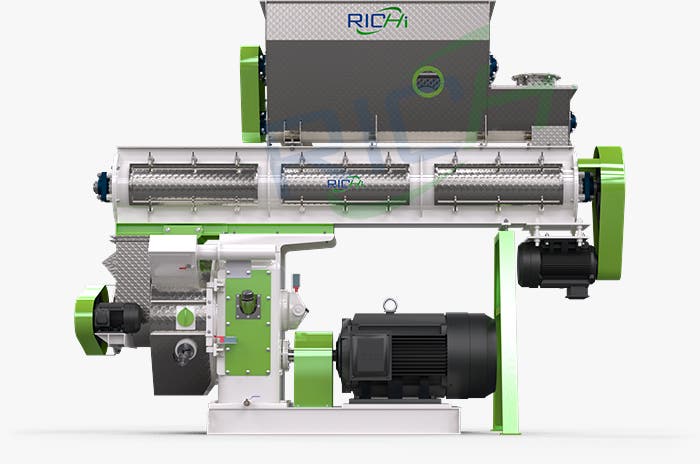
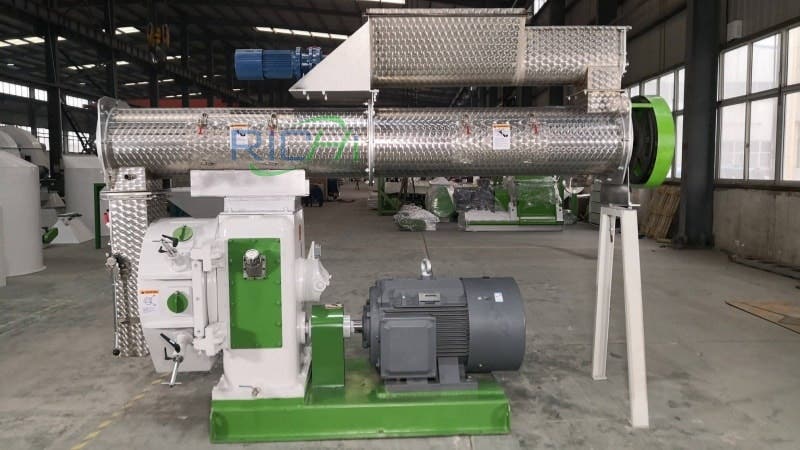
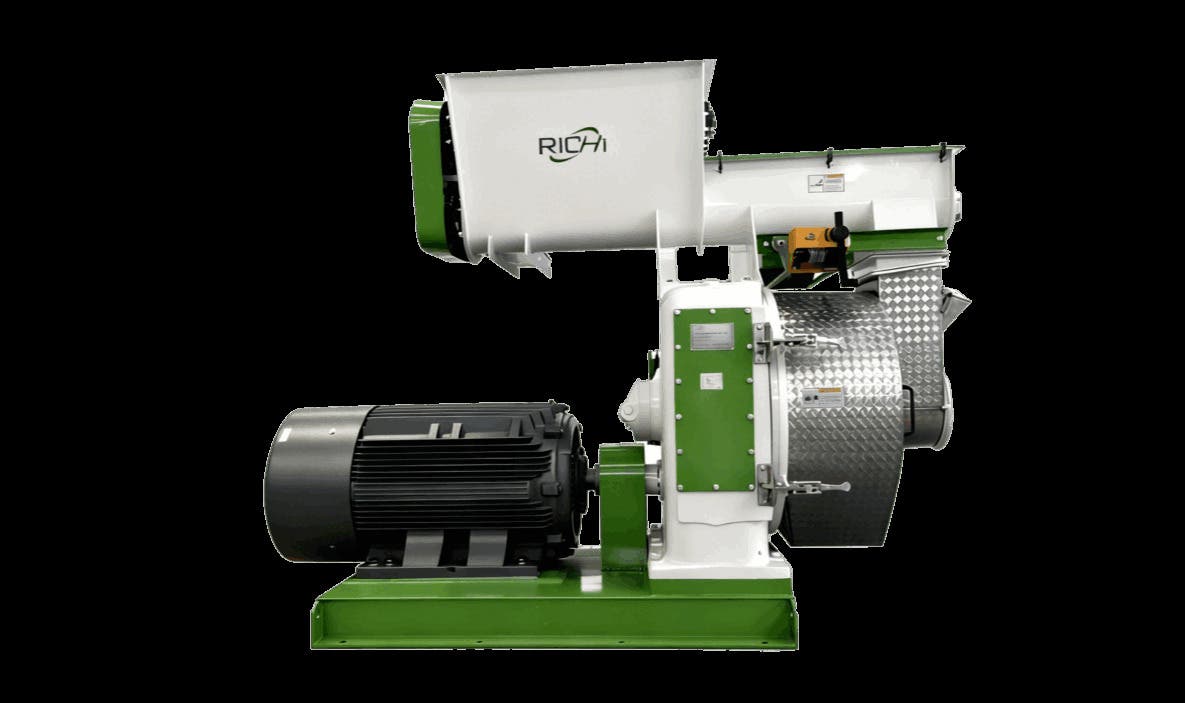
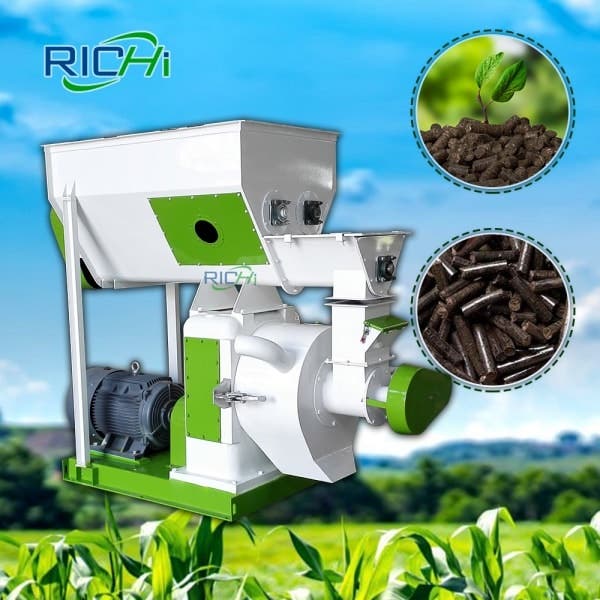
Pelletizing provides one method of transforming loose manure into a more convenient product. A cow dung pellet making machine compresses prepared organic material into uniform fertilizer pellets that are easier to handle, transport, package, and apply.
Why Pelletize Cow Dung?
Raw cow dung contains organic matter and nutrients that can contribute to soil improvement. However, fresh manure is difficult to transport and distribute evenly.
Pelletizing changes the physical form of the material. The resulting pellets can be packaged into bags and sold through agricultural supply channels.
The process also makes automated handling easier because the final product has a more consistent size and shape.
Preparation Is the Key Step
Cow dung normally contains too much moisture to enter a pellet mill directly. Therefore, drying is often one of the most important stages in the production process.
Depending on the raw material condition, mechanical dewatering, natural drying, or a rotary drying system may be considered.
After moisture adjustment, the dried material may require crushing to break up lumps and create a more uniform feedstock.
Additional organic materials can also be blended into the formula. Depending on the intended fertilizer specification, producers may combine manure with crop residues, composted materials, or other organic resources.
How Does Fertilizer Pelletizing Work?
The prepared material enters the pelletizing chamber, where rollers compress it through die holes. Pressure forms the material into cylindrical pellets.
A cow dung pellet making machine price depends on factors such as production capacity, motor power, die type, automation, and the auxiliary equipment included in the system.
After pelletizing, the hot and relatively soft pellets need to be cooled and stabilized. Screening can remove excessive fines before packaging.
Economic Benefits for Livestock Farms
For livestock farms, manure pelletizing can create an additional revenue stream while improving waste management.
Instead of transporting large volumes of low-density manure, producers can create a denser and more standardized product. This can reduce the physical volume that needs to be handled and make transportation more practical.
However, fertilizer quality should remain the priority. Moisture, nutrient content, organic matter, contamination, and pellet durability should be monitored during production.
A properly designed pellet production line can help farms move from simple manure disposal toward resource recovery.
The success of a cow dung fertilizer project depends on raw material availability, local fertilizer demand, drying requirements, production capacity, and packaging strategy. When these factors are carefully evaluated, manure can be transformed from a waste-management challenge into a marketable agricultural product.Choosing the right equipment requires careful consideration of the raw material, production capacity, moisture content, and intended application. Readers who want to explore more practical information about pellet production equipment and processing solutions can **click to read** additional resources before making a final decision.