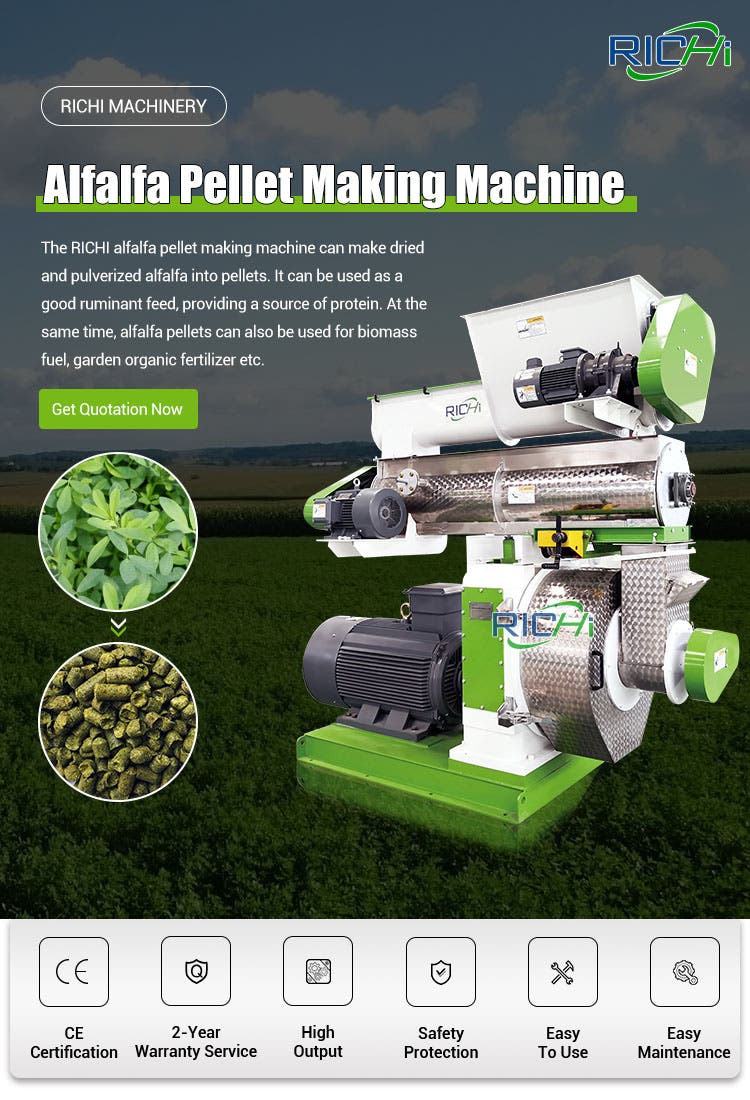
Alfalfa is widely used as a high-value forage because of its nutritional profile and suitability for different livestock. However, loose alfalfa can be difficult to store, transport, and distribute efficiently. Pelletizing offers a practical way to make the material more compact and easier to handle while maintaining its value as animal feed.
For farms and commercial feed producers, the challenge is not simply choosing a machine. A successful project needs to match the raw material condition, desired output, pellet size, and production schedule with the right processing configuration.
Why Pelletize Alfalfa?
Loose hay takes up considerable storage space and can produce inconsistent feeding quantities. After pelletizing, the material becomes more uniform in size and density, making it easier to convey, package, and ration.
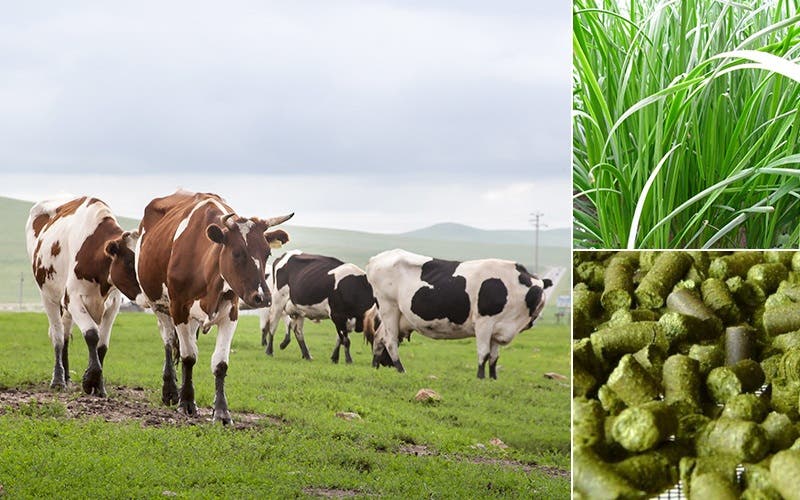
Alfalfa pellets can be used in cattle, sheep, goats, horses, and other livestock feeding programs. Depending on the formulation, alfalfa can also be blended with grains, bran, soybean meal, minerals, and other ingredients.
This makes the pelletizing process particularly useful for farms that want greater control over feed preparation rather than relying entirely on loose forage.
How Does Capacity Affect Equipment Selection?
Capacity influences nearly every part of the production line. A higher-output system generally requires stronger feeding, crushing, conveying, and pelletizing equipment.
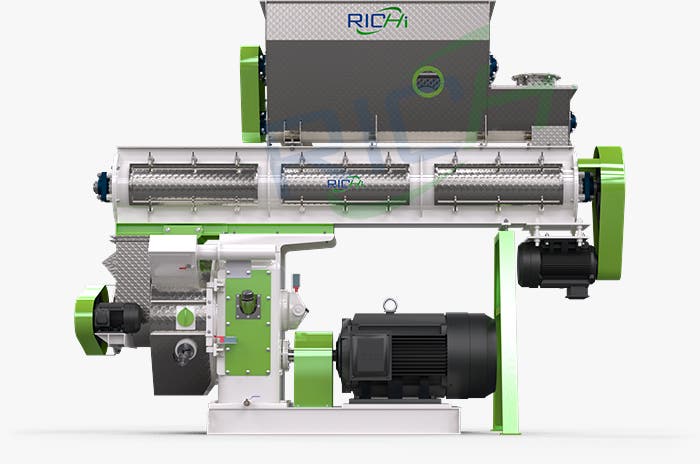
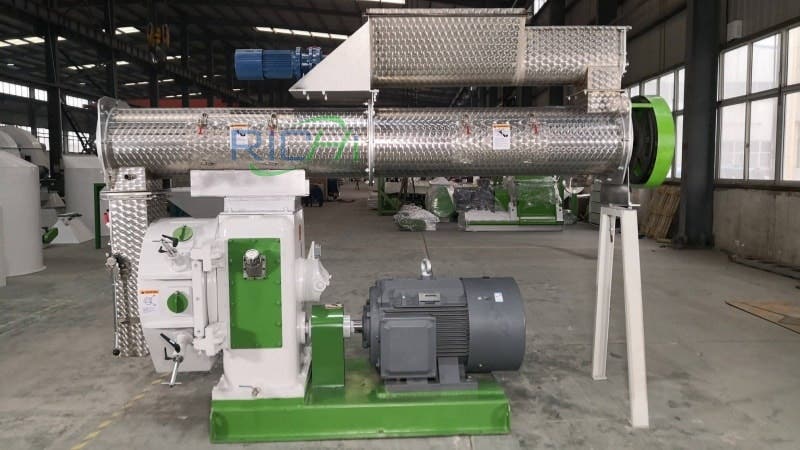
For example, a producer comparing the alfalfa pellet machine price should not look only at the price of the main machine. The quotation may also need to account for a hammer mill, feeder, conveyor, cooling system, screening equipment, and packaging machinery.
A smaller setup can have a simpler configuration, while a commercial plant may benefit from automated material handling and centralized control.
Can Alfalfa Be Used With Other Forage?
Yes. Alfalfa is often processed alongside other forage materials depending on the target feed formula. Grass, hay, straw, and other agricultural materials can potentially be incorporated when their nutritional and physical characteristics are suitable.
For horse owners, for example, a horse feed pellet machine can be configured for forage-based formulations designed around the nutritional requirements of horses. The exact formula should be determined according to the intended animal group and feeding program.
The ability to process multiple suitable ingredients can make a pellet production system more flexible throughout the year.
What Equipment Is Usually Required?
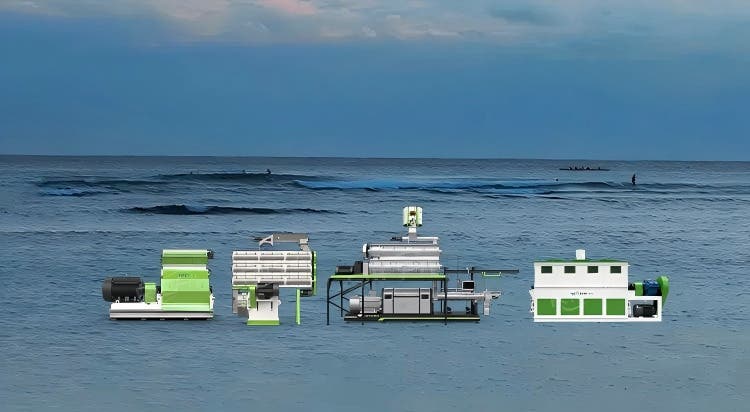
A basic forage pelletizing process may follow this sequence:
Raw Material Preparation → Crushing → Mixing → Pelletizing → Cooling → Screening → Packaging
The crusher reduces oversized forage into a suitable particle size. If several ingredients are used, a mixer helps distribute them more evenly before pelletizing.
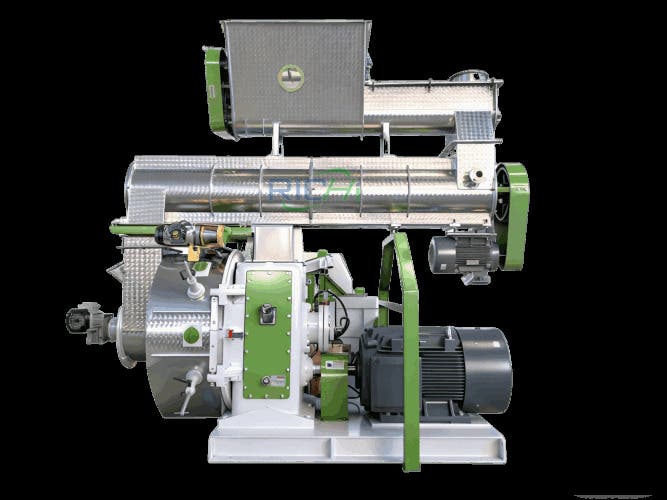
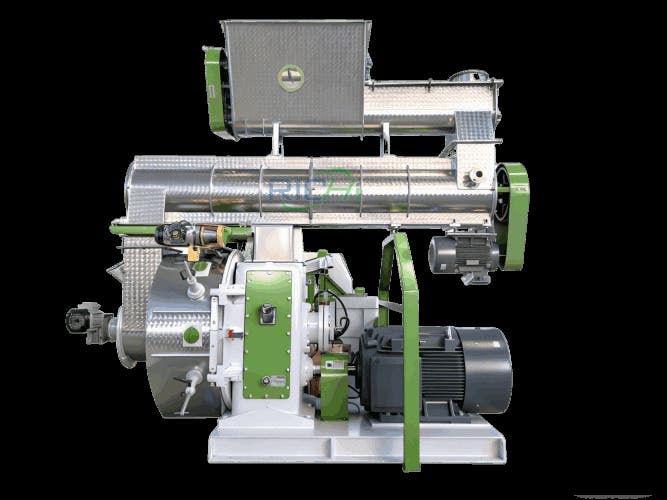
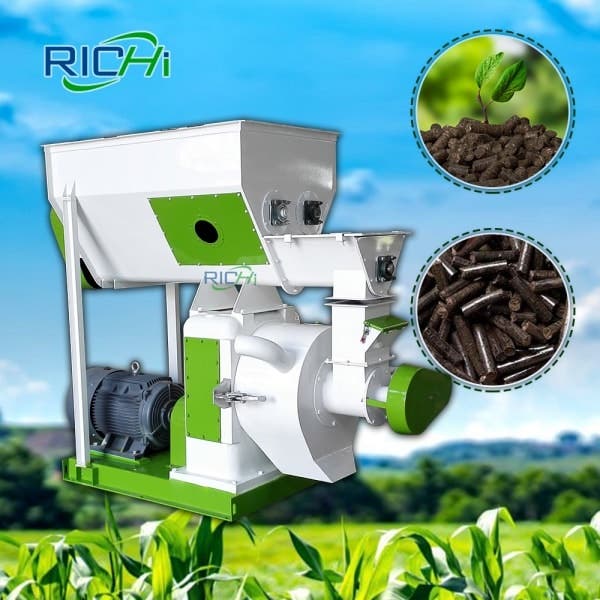
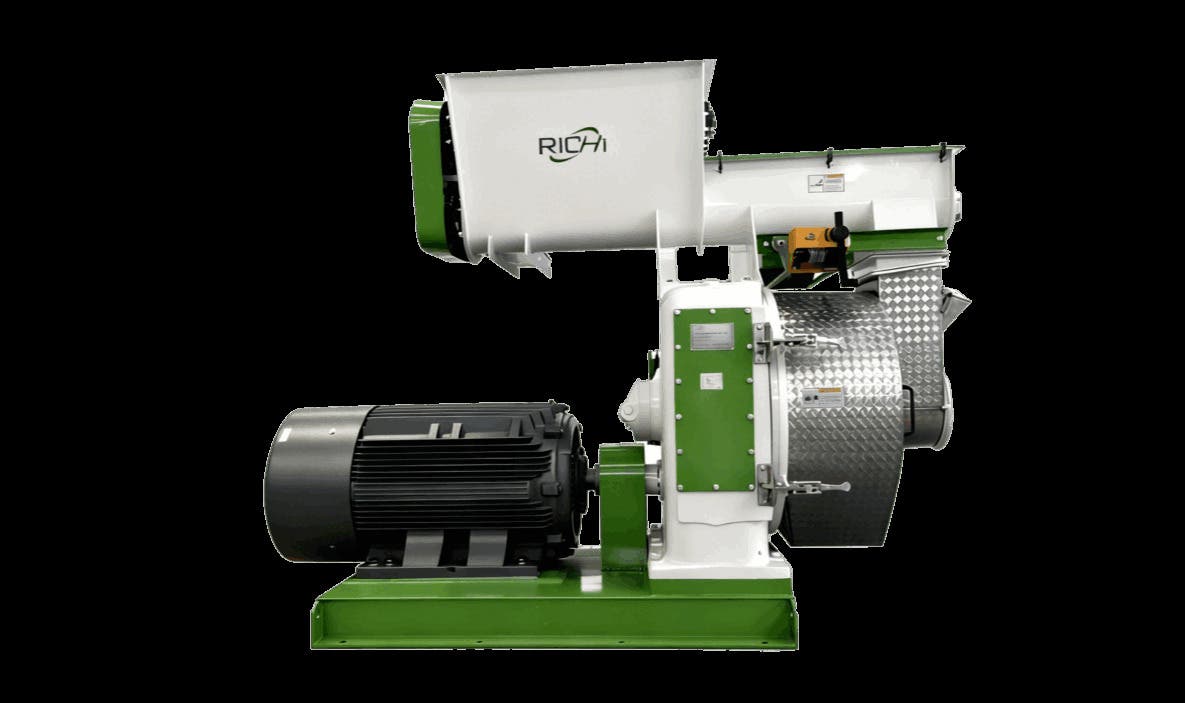
During pelletizing, mechanical pressure compresses the prepared material through die holes to form cylindrical pellets. After leaving the machine, the pellets may be warm and should be cooled before storage or packaging.
A properly selectedpellet mill should therefore be considered as one part of the complete processing system rather than an isolated machine.
How Can Operating Costs Be Controlled?
Energy consumption, labor, maintenance, and raw material preparation all affect operating costs. Poorly prepared forage can increase the load on the pelletizing section and reduce production stability.
Regular inspection of dies, rollers, bearings, and feeding components can also help maintain consistent operation. Keeping the material flow stable is particularly important when processing fibrous forage.
Before purchasing equipment, buyers should ask suppliers to evaluate their specific alfalfa, including moisture, particle size, expected capacity, and pellet diameter.
Is a Small Production Line Suitable for Farms?
For farms with limited daily feed requirements, a compact production line can be a practical starting point. It can reduce manual forage handling while allowing the farm to produce feed according to its own schedule.
Larger livestock operations may gradually expand the system as herd size and feed demand increase. This staged approach can prevent unnecessary investment in equipment that remains underutilized.
The best solution is therefore not necessarily the biggest machine, but the one that matches the farm's raw material supply and actual feeding demand. Buyers comparing different configurations can learn more here about equipment selection, process design, and forage pellet production options.