How to Build an Efficient Sinking Fish Feed Production Line
Sinking fish feed production requires careful coordination between raw material preparation, mixing, conditioning, pelletizing, and cooling. For aquaculture feed manufacturers, the objective is to produce pellets that meet the nutritional needs of target fish while maintaining consistent size, durability, and production efficiency.
A well-designed system should reflect the actual requirements of the feed plant. Before investing in machinery, manufacturers need to consider their target fish species, ingredient formulas, required output, and available production space.
1. Identify Your Production Requirements
The first step is to define the feed products you intend to manufacture. Carp, catfish, tilapia, and other cultured fish may have different nutritional requirements and feeding habits. These differences influence ingredient selection, pellet diameter, and the desired physical properties of the finished feed.
Common ingredients include soybean meal, fishmeal, corn, wheat flour, rice bran, and other protein or energy sources. The formula should be developed according to the target species, growth stage, ingredient availability, and nutritional objectives.
You should also estimate your production capacity. A small aquaculture feed workshop may need a compact processing system with straightforward operation, whereas a commercial manufacturer may require automatic batching, continuous conveying, and a higher-capacity packing system.
Defining these requirements early makes it easier to compare equipment specifications and avoid investing in unnecessary machinery.
2. Understand the Main Production Stages
A conventional sinking fish feed production line includes several interconnected processing stages.
Raw materials are first cleaned to remove foreign objects and then ground to the required particle size. Fine, uniform particles help improve ingredient distribution and pellet consistency.
The ground materials are weighed and mixed according to the feed formula. Proper mixing is essential because uneven distribution of ingredients and additives can result in inconsistent nutritional quality.
Depending on the process design, conditioning may be used to adjust the mash's moisture and temperature before pelletizing. These conditions influence material behavior during compression and can affect pellet durability.
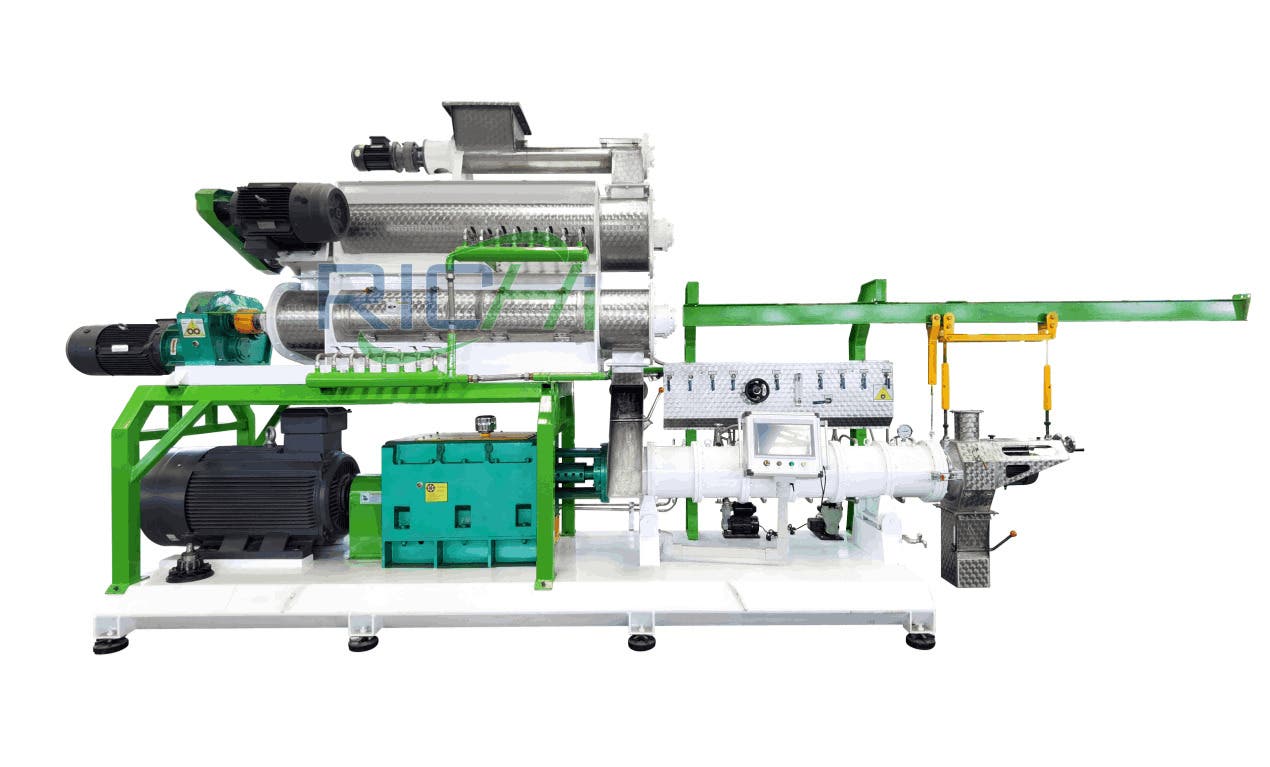
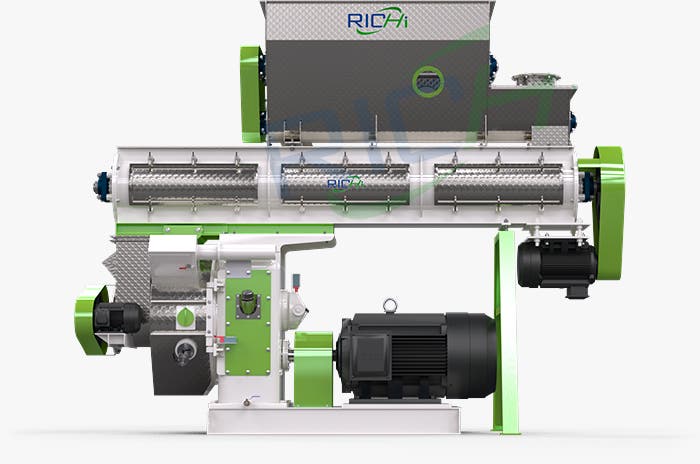
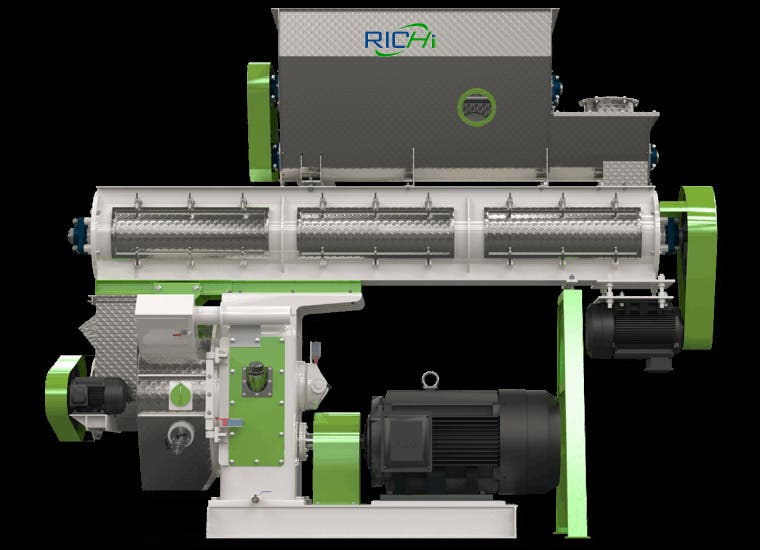
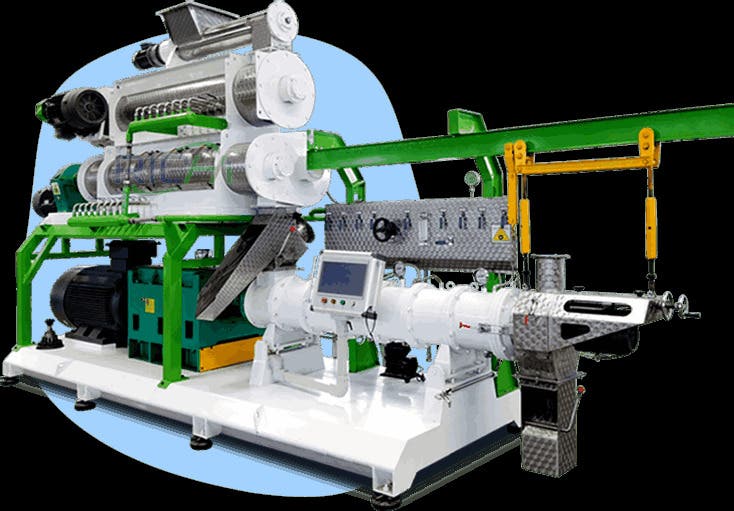
The prepared mash then enters the pelletizing section. A suitable sinking fish feed production machine should be selected according to the formula, required pellet diameter, and target output. Die specifications, roller adjustment, feed rate, and material condition all influence production performance.
After pelletizing, the hot pellets pass through a cooling system. Screening removes loose fines, and the finished feed is transferred to the packing section. The complete process should be designed to minimize bottlenecks between individual machines.
3. Select Equipment Based on Feed Characteristics
Not every feed formula behaves the same way during processing. Ingredients with different fiber contents, moisture levels, and binding properties can affect pellet formation and machine throughput.
A suitablefish feed pellet mill should therefore be evaluated alongside the grinding, mixing, and conditioning equipment. Selecting a pellet mill solely by its rated capacity may lead to disappointing results if the upstream machinery cannot provide a stable supply of properly prepared mash.
Manufacturers should ask suppliers to clarify the recommended raw material particle size, applicable pellet diameters, expected capacity under the proposed formula, and the operating conditions required to achieve the target product quality.
If the product range includes several pellet sizes, confirm whether the proposed die options and adjustment procedures can accommodate those requirements. The expected time needed for changing dies and cleaning the equipment may also affect daily production efficiency.
5. Plan for Reliable Long-Term Operation
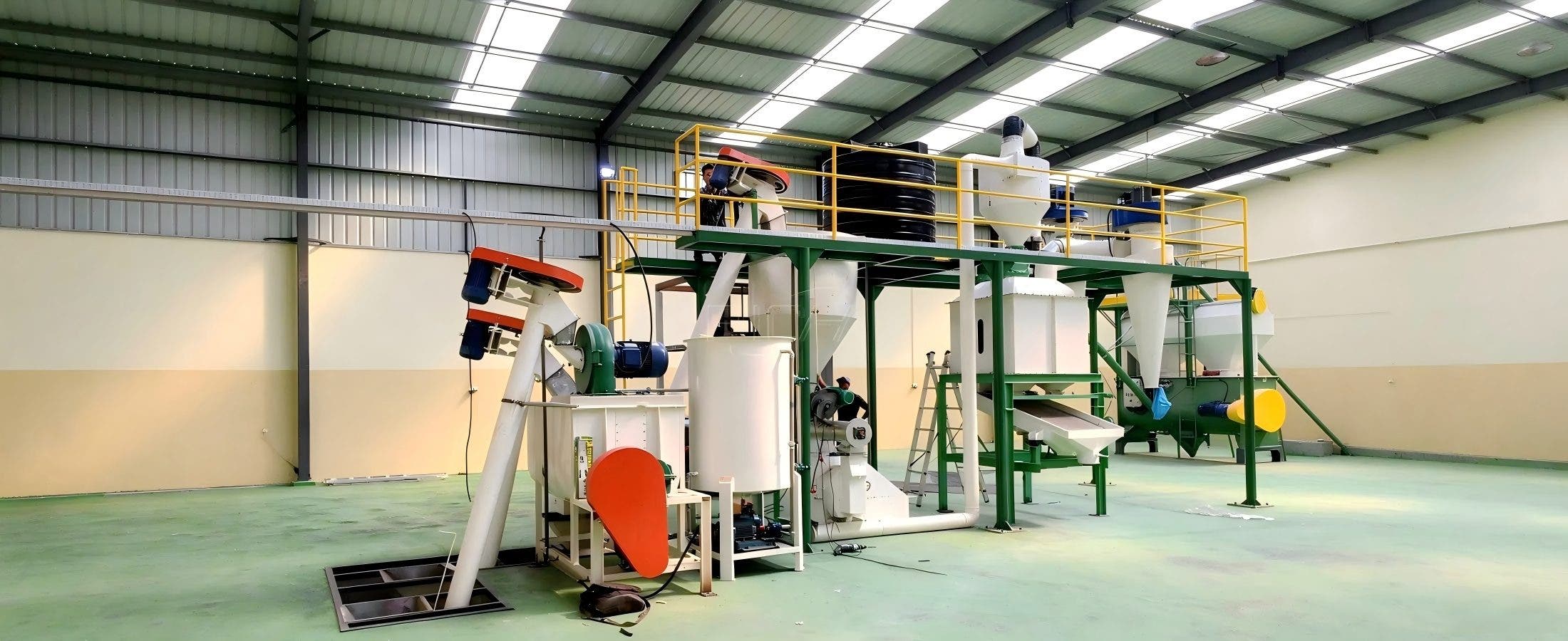
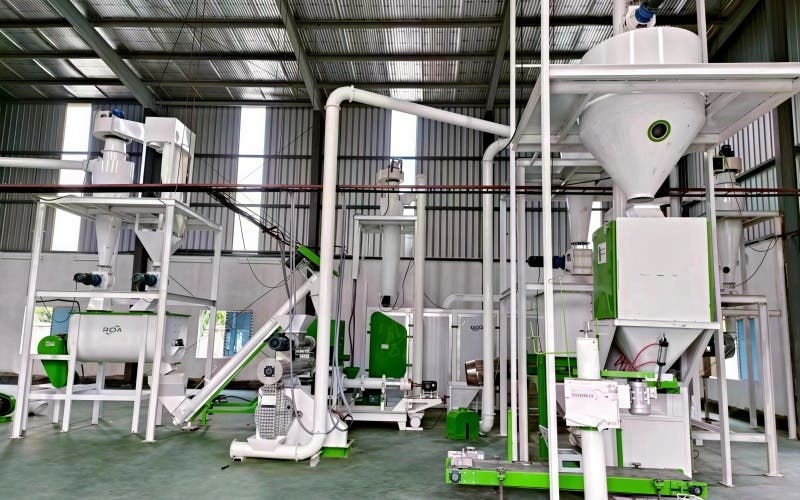
A production line must be evaluated as a complete system. Grinding and mixing capacity should support the pelletizing section, while cooling, screening, and packing must handle the finished output without creating delays.
Routine maintenance is equally important. Inspect dies, rollers, bearings, motors, and transmission components according to the manufacturer's maintenance schedule. Keeping common spare parts available can help reduce downtime when components require replacement.
RICHI provides feed processing machinery and customized production line solutions for different project requirements. Its equipment selection process can take account of production capacity, raw material characteristics, pellet specifications, and the intended level of automation. Explore richimanufacture pelletizer for further information about pelletizing equipment and related applications.